
Fear of love play (malaxophobia)
Malaxophobia is described as a fear of love play, meaning affectionate or intimate touch between partners. It can show up as tensing at a partner’s touch or holding back from closeness, even in a caring relationship.
Many people find that with the right help, affectionate touch with a partner can start to feel safe, at their own pace.
Use code PHOBIA at checkout for half price: £24.50 instead of £49. Outside the UK? $29.50.
About this phobia
This term is rarely reported and is found only on lists of unusual fears, with no clinical writing behind it. Worries like this are more usefully thought of as a fear of intimacy, which can have many different causes.
How it shows up
Feeling shy or nervous about closeness is common, especially early in a relationship. With malaxophobia, the tension around affectionate or intimate touch stays strong even with a trusted, caring partner. The person may want to be close yet feel their body stiffen or pull away. This mismatch between wanting closeness and fearing it can be painful and confusing for both partners.
Common triggers
- A partner reaching for a hug or kiss
- Playful or flirty touch
- Being touched without warning
- Moments that seem to be leading to intimacy
- Feeling watched or judged
- Romantic scenes on screen
- Getting changed in front of a partner
Where it shows up
- Home with a partner
- Bedtime
- Dates and evenings out
- Holidays as a couple
- Family events where affection is shown
- Shared rooms on trips away
Symptoms
In your body
- Tensing or freezing
- Fast heartbeat
- Holding the breath
- Feeling hot or flushed
- Shallow breathing
In your mind
- Fear of being judged or rejected
- Feeling out of control
- Unwanted memories coming to mind
- Feeling guilty about pulling away
What you might do
- Pulling away from touch
- Finding reasons to go to bed at different times
- Avoiding dating or relationships
- Using humour to change the mood
What may cause it
There is no research on malaxophobia as a separate fear, and it is usually better understood as a fear of intimacy. This can grow from a strict or shaming upbringing about touch and closeness, past hurt in relationships, low body confidence, or worry about performance. For some people it is linked to past mistreatment. Each time touch is avoided, the fear may feel a little more fixed.
How it can affect your life
It can lead to misunderstandings, loneliness and strain in relationships, even when both people care deeply. Some avoid dating altogether to sidestep the fear. Partners may take the distance personally, so the fear can lead to hurt on both sides unless it is talked about openly.
Related fears
- Fear of intimacy
- Fear of being touched (haphephobia)
- Fear of sexual intimacy (genophobia)
- Fear of falling in love (philophobia)
Things that can help day to day
- Talk openly with your partner about what feels okay and what does not
- Agree that either of you can pause at any time
- Start with simple, non-sexual closeness, such as holding hands
- Name feelings as they come up rather than pushing them away
When to get help
If the fear is linked to past mistreatment, a GP or a specialist counsellor can help, at your pace. A therapist who works with couples or with intimacy can also support you both.
Explore more unusual fears in the rare phobias A to Z, or browse the common phobias.
About me
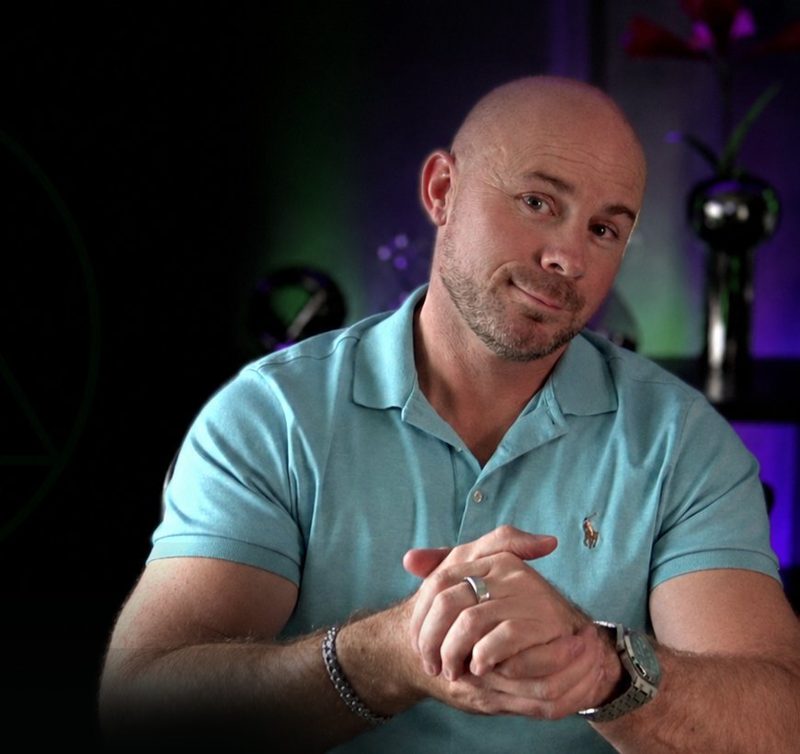
If you’ve tried to talk yourself out of this fear and it hasn’t worked, that isn’t a lack of willpower. A phobia is an alarm your mind learned, and logic alone rarely switches it off.
When a fear is less common, it can be harder to explain, so you may not have told many people about it. I work one to one over Zoom with people whose fears are holding them back, including rarer ones like this, and every plan starts with understanding what your fear is really about.
I’ve spent 17 years in clinical practice and helped more than 1,000 people with phobias. I hold a Postgraduate Certificate and a Postgraduate Diploma in Clinical Hypnotherapy, both with Distinction, and journalists and clients call me the Phobia Guru.
Common questions
Who can help with fear around intimacy?
A GP is a good first step, and relationship or psychosexual counsellors work with this kind of worry. If this fear is linked to something that happened to you, a GP or specialist counsellor can help, at whatever pace feels right.
How can you help?
I use hypnotherapy and NLP to change how your mind responds to the thing you fear, so the old alarm stops going off. Sessions are one to one over Zoom, and you get a recording of the hypnosis to listen to afterwards.
How many sessions will I need?
Many clients notice a real difference after one 90 minute session. If the fear goes back a long way, three sessions gives us room to make the change stick.
Further reading: Healthline: Philophobia · Healthline: Haphephobia · Psych Central: Genophobia
Ready to start?
A short call is the simplest next step. We’ll talk about your fear, what you’d like to feel instead, and whether I’m the right person to help.
- Take the free test at the top of this page to see how strong your fear is.
- Book a 30 minute call. Use code PHOBIA at checkout for half price: £24.50 instead of £49 ($29.50 outside the UK).
- Start your sessions over Zoom from wherever you live, or face to face in Hertfordshire.
See all session options and prices