
Fear of machines (mechanophobia)
Mechanophobia is a fear of machines. It may involve unease around heavy machinery, loud factory equipment, lifts or even household appliances, and some people feel a strong urge to keep their distance from anything with moving parts.
Many people find that with the right help, machines at work or at home become things they can use calmly and safely.
Use code PHOBIA at checkout for half price: £24.50 instead of £49. Outside the UK? $29.50.
About this phobia
The name links to the Greek mechane, meaning machine or device. It is a rare term, close to technophobia, which tends to focus on computers and modern technology. It can also overlap with a fear of loud noises or of getting hurt.
How it shows up
Most people treat heavy machinery with caution, but mechanophobia brings a fear far stronger than the actual risk. The sound of a motor starting, the rhythm of moving parts or the sheer size of a machine can trigger alarm. Some people fear being caught or crushed, while others feel uneasy with machines they do not understand. The fear can stretch from building sites to the washing machine at home.
Common triggers
- Machines starting up suddenly
- Loud grinding or clanking
- Moving belts, gears or blades
- Lifts and escalators
- Large vehicles like diggers or tractors
- Robots or automated systems
- Vibrations through the floor
Where it shows up
- Building sites and roadworks
- Factories and workshops
- Car parks with ticket barriers
- Supermarkets with self-checkouts
- Kitchens and utility rooms
- Gyms with large machines
Symptoms
In your body
- Strong startle reaction
- Racing heart
- Tensing up or covering the ears
- Sweating
- Shaky legs
In your mind
- Fear of being caught or crushed
- Worry that the machine will break or go wrong
- Feeling out of control
- Imagining a machine starting on its own
What you might do
- Keeping far away from machines
- Taking stairs instead of lifts
- Avoiding certain jobs or places
- Asking others to use appliances
What may cause it
There is little research on mechanophobia as a separate fear. It might follow an accident, a near miss or a frightening sight such as an injury at work. A strong startle response to loud noises can also play a part. Avoidance reduces fear in the moment but stops the person learning which machines are safe to be near.
How it can affect your life
The fear can limit job choices and make daily tasks like using lifts or appliances difficult. It can also affect travel and shopping, where machines are hard to avoid. Some people feel embarrassed at needing help with simple appliances, which can knock their confidence.
Related fears
- Fear of technology (technophobia)
- Fear of loud noises (phonophobia)
- Fear of robots (robophobia)
- Fear of being trapped (claustrophobia)
Things that can help day to day
- Start with small household appliances at home
- Learn how a machine works and what keeps it safe
- Use ear defenders if loud noise is part of the fear
- Keep a sensible, safe distance from heavy machinery, as anyone should
When to get help
If the fear stops you working, travelling or using everyday items, a therapist can help. If it began after an accident or injury, your GP can point you to support for that too.
Explore more unusual fears in the rare phobias A to Z, or browse the common phobias.
About me
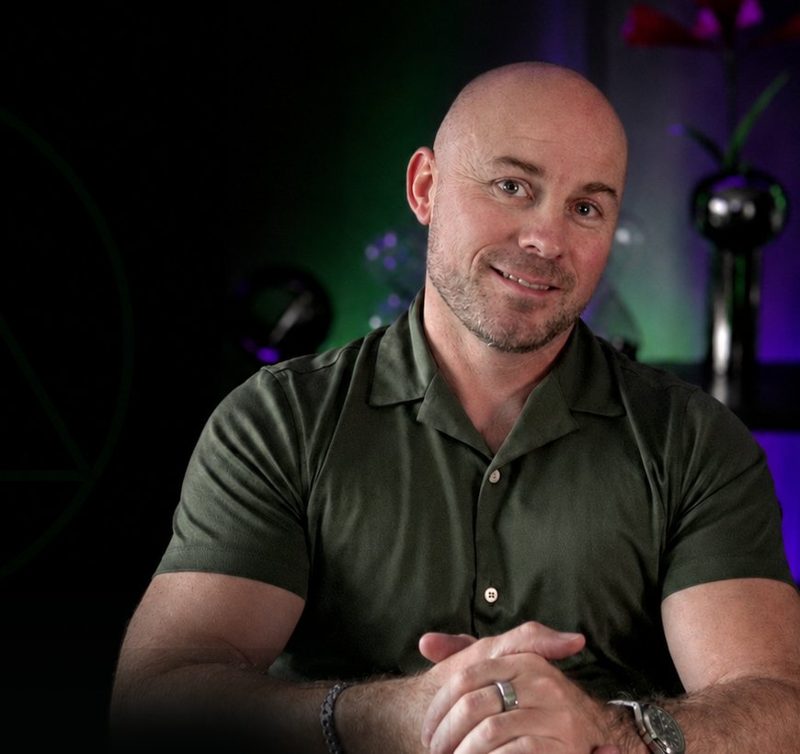
If you’ve tried to talk yourself out of this fear and it hasn’t worked, that isn’t a lack of willpower. A phobia is an alarm your mind learned, and logic alone rarely switches it off.
When a fear is less common, it can be harder to explain, so you may not have told many people about it. I work one to one over Zoom with people whose fears are holding them back, including rarer ones like this, and every plan starts with understanding what your fear is really about.
I’ve spent 17 years in clinical practice and helped more than 1,000 people with phobias. I hold a Postgraduate Certificate and a Postgraduate Diploma in Clinical Hypnotherapy, both with Distinction, and journalists and clients call me the Phobia Guru.
Common questions
What is the difference between mechanophobia and technophobia?
Mechanophobia is about machines in general, often physical ones with moving parts. Technophobia usually refers to fear or distrust of computers, phones and new technology. Some people have both, but they are not the same.
How can you help?
I use hypnotherapy and NLP to change how your mind responds to the thing you fear, so the old alarm stops going off. Sessions are one to one over Zoom, and you get a recording of the hypnosis to listen to afterwards.
How many sessions will I need?
Many clients notice a real difference after one 90 minute session. If the fear goes back a long way, three sessions gives us room to make the change stick.
Further reading: Cleveland Clinic: Cyberphobia (fear of computers) · NHS: Phobias · Wikipedia: Mechanophobia
Ready to start?
A short call is the simplest next step. We’ll talk about your fear, what you’d like to feel instead, and whether I’m the right person to help.
- Take the free test at the top of this page to see how strong your fear is.
- Book a 30 minute call. Use code PHOBIA at checkout for half price: £24.50 instead of £49 ($29.50 outside the UK).
- Start your sessions over Zoom from wherever you live, or face to face in Hertfordshire.
See all session options and prices