
Fear of people in masks and costumes (masklophobia)
En español: lee sobre este miedo en Fobias.org.
A fear of people in masks, costumes and mascots can show up at parties, fairs, theme parks and Halloween. Not being able to see a face or read the person behind it is the usual reason. It can be helped.
Many people find that with the right help, a costumed character at a party or a theme park becomes something they can enjoy.
Use code PHOBIA at checkout for half price: £24.50 instead of £49. Outside the UK? $29.50.
Understanding this fear
Masklophobia, sometimes called maskaphobia, is a strong fear of masks and of people in costumes or mascot suits. It is more than finding a scary mask unpleasant. When someone in a mask comes near, you may freeze, panic or feel you have to get away, even if you know it is a friend or a cheerful mascot. For some it is horror masks, while for others it is the big fixed smile of a theme park character.
It is very common in toddlers and young children, who are still learning to tell pretend from real and who rely on faces to feel safe. Many grow out of it, but for some the fear carries on into adult life. It is related to the fear of clowns but is wider, covering any figure whose face is hidden. During the pandemic some people also found everyday face coverings unsettling, which shows how much we rely on seeing a face.
Common triggers
- Halloween masks and costumes
- Mascots at sports matches and theme parks
- Masked characters at children’s parties
- Masquerade balls and fancy dress events
- Face paint that hides expressions
- Someone appearing suddenly in a mask
- Masked figures in films, games or adverts
- Carnival and parade costumes
Where it shows up
- Theme parks and fairs
- Football and rugby grounds with mascots
- Shopping centres at Halloween or Christmas
- Children’s parties and play centres
- Fancy dress parties and festivals
- Answering the door to trick or treaters
Symptoms
In your body
- Pounding heart
- Sweating and shaking
- Fast breathing
- Feeling frozen or unable to move
- Crying or screaming, especially in children
- Stomach churning
In your mind
- I cannot tell what they are thinking or feeling
- Who is really under there
- Feeling trapped as the figure gets closer
- Dread in the weeks before Halloween
- Feeling silly for being scared
What you might do
- Hiding or running away from costumed figures
- Avoiding parties, fairs and theme parks
- Staying in with the lights off at Halloween
- Checking event plans for mascots or costumes
- Clinging to a parent or partner in crowds
What causes it
There is no single agreed cause. Faces are one of the main ways we judge whether someone is safe, so when a face is hidden or frozen in one expression, the brain loses that information and can treat the person as a threat. Young children are still learning the difference between fantasy and reality, so a life size cartoon character can feel genuinely alarming, and the skill of reading faces keeps developing well into the teenage years. A scary moment, such as being jumped out at by someone in a mask, can lock the fear in. Avoiding masked figures brings relief, and that relief keeps the fear going.
How it can affect your life
This fear can make family days out, theme park trips and seasonal events a source of dread. Parents may find it hard to take their children to parties or Halloween activities, and some adults turn down fancy dress events or avoid football matches with mascots. Because masks and costumes often appear without warning, people can feel on edge in busy places, especially around Halloween.
Things that can help day to day
- Watch masks being put on and taken off by someone you trust, so you see the person underneath
- Look at friendly costume pictures first and build up slowly
- Check event plans ahead of time so you are not surprised
- Use slow breathing if a costumed figure comes into view
- Parents can talk calmly with children about costumes and let them keep a safe distance
When to get help
It is worth getting help if the fear is stopping you or your child from joining in with normal events, or if the reaction is strong enough to cause panic. Fears like this are common in young children and many fade, but if one lasts more than six months or is getting worse, it is worth speaking to your GP. Your GP is also a good first port of call if anxiety is affecting your daily life.
How I can help
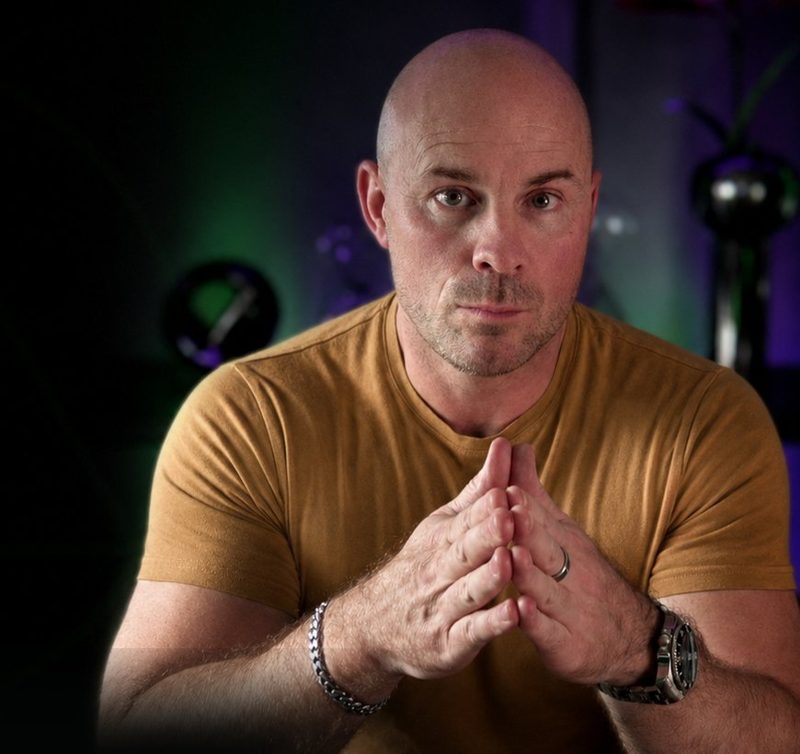
If you’ve tried to talk yourself out of this fear and it hasn’t worked, that isn’t a lack of willpower. A phobia is an alarm your mind learned, and logic alone rarely switches it off.
When I work with a fear of masks and costumes over Zoom, I first find out what it is about for you, whether that is not seeing a face, not knowing who is underneath or an old memory of being frightened. Using hypnotherapy and NLP, we help the mind see the person behind the costume, so the alarm stops firing at the mask itself. We then rehearse calmly being at a party or a match where a mascot walks past. Many clients find that costumes become ordinary again, and that seasonal events feel much easier.
I’ve spent 17 years in clinical practice and helped more than 1,000 people with phobias. I hold a Postgraduate Certificate and a Postgraduate Diploma in Clinical Hypnotherapy, both with Distinction.
Common questions
Why is my toddler terrified of mascots?
Young children are still learning what is real and what is pretend, and they rely on faces to feel safe. A huge character with a fixed face can be very confusing. Many children grow out of it, especially if they are not pushed to get close.
Why do masks make adults uneasy too?
We read faces all the time to judge if someone is safe. A mask removes that information, so the brain can treat the person as a possible threat, even when we know they are harmless.
Should I make my child meet a mascot to get over it?
Forcing contact often makes the fear stronger. It usually works better to let them watch from a distance, talk about it calmly and move closer only when they feel ready.
Is this the same as a fear of clowns?
It is related to coulrophobia, the fear of clowns, but it is wider. It covers anyone whose face or body is hidden, including mascots and people in masks. The common thread is not knowing who or what is underneath.
How can you help?
I use hypnotherapy and NLP to change how your mind responds to the thing you fear, so the old alarm stops going off. Sessions are one to one over Zoom, and you get a recording of the hypnosis to listen to afterwards.
How many sessions will I need?
Many clients notice a real difference after one 90 minute session. If the fear goes back a long way, three sessions gives us room to make the change stick.
Further reading: Cleveland Clinic: Coulrophobia (fear of clowns) · Wikipedia: Masklophobia · NHS: Phobias
Ready to start?
A short call is the simplest next step. We’ll talk about your fear, what you’d like to feel instead, and whether I’m the right person to help.
- Take the free test at the top of this page to see how strong your fear is.
- Book a 30 minute call. Use code PHOBIA at checkout for half price: £24.50 instead of £49 ($29.50 outside the UK).
- Start your sessions over Zoom from wherever you live, or face to face in Hertfordshire.
See all session options and prices