
Fear of meat (carnophobia)
En español: lee sobre este miedo en Fobias.org.
Carnophobia is a fear of meat, which may mean eating it, touching it raw, or simply seeing it on a plate or in a butcher’s window. For some it is tied to worry about food poisoning, while others react to the texture, the smell or the thought of where it came from. It is different from choosing not to eat meat for ethical or health reasons.
Many people find that with the right help, they can sit at a table or walk past a butcher’s window without that rush of discomfort.
Use code PHOBIA at checkout for half price: £24.50 instead of £49. Outside the UK? $29.50.
About this phobia
The word comes from the Latin caro, carnis, meaning flesh, as in carnivore. It is rarely reported and has little clinical documentation. Fears around food safety and texture can also form part of ARFID, avoidant restrictive food intake disorder, a recognised eating condition.
How it shows up
Carnophobia goes beyond preferring not to eat meat. A person may feel panic at the smell of meat cooking, gag at the texture, or worry intensely that any meat will make them ill. Some can manage meat that looks nothing like an animal but not a joint on the bone, while others cannot be in the same kitchen as raw meat. The fear can be distressing when family meals and social eating revolve around it.
Common triggers
- Raw meat in packets or on counters
- Blood or juices on a plate
- Pink or undercooked looking meat
- Bones, skin and fat
- Smell of meat cooking
- News stories about food poisoning
- Being served food without warning of what is in it
Where it shows up
- Supermarket meat aisles and butchers
- Barbecues and family roasts
- Restaurants and work canteens
- Celebration meals
- School or hospital meals
- Holiday buffets
Symptoms
In your body
- Gagging or nausea
- Sweating
- Fast heartbeat
- Loss of appetite
- Dry mouth
In your mind
- Fear of food poisoning
- Disgust at texture or appearance
- Thoughts about the animal it came from
- Worry about what is hidden in a dish
What you might do
- Avoiding meals where meat is served
- Checking food closely before eating
- Refusing to cook or handle meat
- Leaving the table when meat arrives
What may cause it
A bout of food poisoning, a gory sight or a strong upset as a child can all start this fear. Some people are naturally more sensitive to texture and disgust, which can play a part. There is very little research on carnophobia itself, though fear-based avoidance of foods is recognised as part of ARFID, avoidant restrictive food intake disorder. Avoiding meat brings short-term relief, which can make the fear harder to shift.
How it can affect your life
Social eating, family gatherings and eating out can become stressful. If the fear spreads to other foods, it can affect how well someone eats, which is a reason to get checked. Some people feel judged or misunderstood when others assume their choice is about ethics rather than fear.
Related fears
- Fear of food (cibophobia)
- Fear of trying new foods (food neophobia)
- Fear of vomiting (emetophobia)
Things that can help day to day
- Remember that choosing not to eat meat is fine, and the aim is less fear, not forcing yourself to eat it
- Learn simple food safety basics from a reliable source such as the NHS
- Use calm breathing when meat is on the table near you
- Talk to the people you eat with so meals feel less tense
When to get help
If you are eating much less than usual, avoiding several foods, or losing weight without meaning to, see your GP. They can also refer you for help with food-related anxiety.
Explore more unusual fears in the rare phobias A to Z, or browse the common phobias.
About me
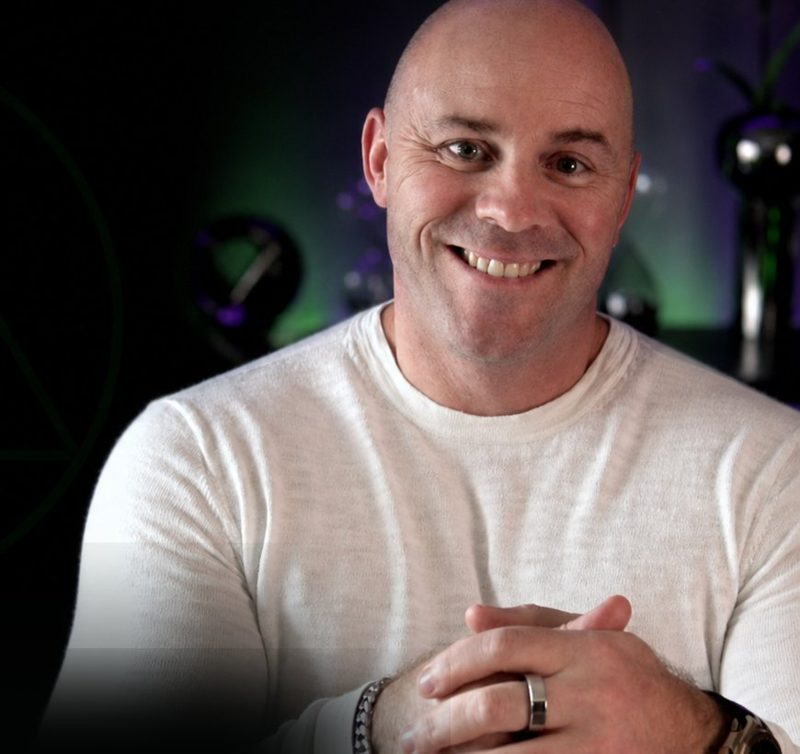
If you’ve tried to talk yourself out of this fear and it hasn’t worked, that isn’t a lack of willpower. A phobia is an alarm your mind learned, and logic alone rarely switches it off.
When a fear is less common, it can be harder to explain, so you may not have told many people about it. I work one to one over Zoom with people whose fears are holding them back, including rarer ones like this, and every plan starts with understanding what your fear is really about.
I’ve spent 17 years in clinical practice and helped more than 1,000 people with phobias. I hold a Postgraduate Certificate and a Postgraduate Diploma in Clinical Hypnotherapy, both with Distinction, and journalists and clients call me the Phobia Guru.
Common questions
Is carnophobia the same as being vegetarian?
No. Vegetarians choose not to eat meat, while carnophobia is a fear that can feel out of your control. If this fear means eating much less or losing weight, speak to a GP.
How can you help?
I use hypnotherapy and NLP to change how your mind responds to the thing you fear, so the old alarm stops going off. Sessions are one to one over Zoom, and you get a recording of the hypnosis to listen to afterwards.
How many sessions will I need?
Many clients notice a real difference after one 90 minute session. If the fear goes back a long way, three sessions gives us room to make the change stick.
Further reading: Cleveland Clinic: Food aversion · Cleveland Clinic: Emetophobia · Cleveland Clinic: ARFID
Ready to start?
A short call is the simplest next step. We’ll talk about your fear, what you’d like to feel instead, and whether I’m the right person to help.
- Take the free test at the top of this page to see how strong your fear is.
- Book a 30 minute call. Use code PHOBIA at checkout for half price: £24.50 instead of £49 ($29.50 outside the UK).
- Start your sessions over Zoom from wherever you live, or face to face in Hertfordshire.
See all session options and prices