
Fear of medication (pharmacophobia)
En español: lee sobre este miedo en Fobias.org.
A fear of medication can show up with tablets, liquids, leaflets full of side effects or the worry of taking too much. It can make even a simple prescription feel like a big decision, and the anxiety can be helped.
Many people find that with the right help, they can take the medicine their doctor recommends feeling calmer and more in control.
Use code PHOBIA at checkout for half price: £24.50 instead of £49. Outside the UK? $29.50.
Understanding this fear
Pharmacophobia is a strong fear of taking medicines. Lots of people read the leaflet and feel a little uneasy, and some caution is sensible. With this fear, though, the worry is far bigger than the real risk, so even a short course of tablets can bring days of dread, delay or not taking it at all. The fear might centre on side effects, an allergic reaction, losing control, becoming dependent or simply putting something unfamiliar into your body.
It can affect anyone, and it sometimes follows a bad reaction to a medicine in the past. In one online survey published in a peer-reviewed journal, around one in five people described themselves as fearful of medicines, with negative beliefs about drugs being the strongest link. Osmosis notes that it became more visible after the COVID-19 pandemic, when news about treatments and vaccines was often confusing. It can overlap with a fear of swallowing tablets, health anxiety and a fear of needles.
Common triggers
- Reading the list of possible side effects
- Being handed a new prescription
- Tablets that look large or unfamiliar
- A change in the brand, colour or shape of a tablet
- Stories online about bad reactions
- Remembering a past side effect or allergic reaction
- Worry about taking a dose twice by mistake
- Being told a medicine is long-term
Where it shows up
- The GP surgery or consulting room
- The pharmacy counter
- Your kitchen when it is time for a dose
- Hospital wards and clinics
- Travelling, when routines change
- At home when unwell with a cold or headache
Symptoms
In your body
- Racing heart when holding the tablet
- Nausea or a churning stomach
- Tight throat or difficulty swallowing
- Sweating or feeling shaky
- Shortness of breath while waiting for effects
- Feeling hot or flushed
In your mind
- What if I have a serious reaction
- I will get every side effect on the leaflet
- Every new twinge must be the medicine
- I will become hooked or lose control
- Medicines do more harm than good
What you might do
- Delaying starting a prescription
- Skipping or changing doses without advice
- Searching online for side effects again and again
- Asking the pharmacist or family for reassurance repeatedly
- Avoiding the GP so nothing gets prescribed
- Monitoring the body closely after each dose
What causes it
Often the fear follows a real unpleasant experience, such as a side effect, an allergic reaction or a difficult time coming off a medicine. Sometimes the symptoms of an illness get blamed on the treatment, which builds the belief that medicines cause harm. Fear can also be learned from family members who distrust medicines, or from frightening stories in the news and online. A general tendency to anxiety makes it easier to notice normal body sensations and read them as danger. Each time a dose is avoided and the dread eases, the brain learns that avoiding was the safe choice, so the fear grows.
How it can affect your life
The biggest risk is to physical health, because avoiding or changing medicine can leave conditions untreated. Research has linked this fear with not taking treatment as prescribed. It can also strain relationships with doctors and family, who may not understand why a simple tablet feels so hard. Some people put off seeing their GP at all, so problems are picked up later, and parents with this fear may struggle to give medicine to their children.
Things that can help day to day
- Write down your questions and take them to your GP or pharmacist
- Ask the pharmacist which side effects are common and which are rare
- Take prescribed medicine at a calm, regular time, with slow breathing beforehand
- Notice catastrophic thoughts and ask what the evidence really says
- Keep a simple log of how you actually felt after each dose
When to get help
If fear is causing you to delay, skip or change a prescribed medicine, please talk to your GP, nurse or pharmacist as soon as you can, and do not stop or change anything without their advice. They can explain your options and what to expect. It is also worth getting help if the worry is taking up a lot of your day or stopping you seeking medical care.
How I can help
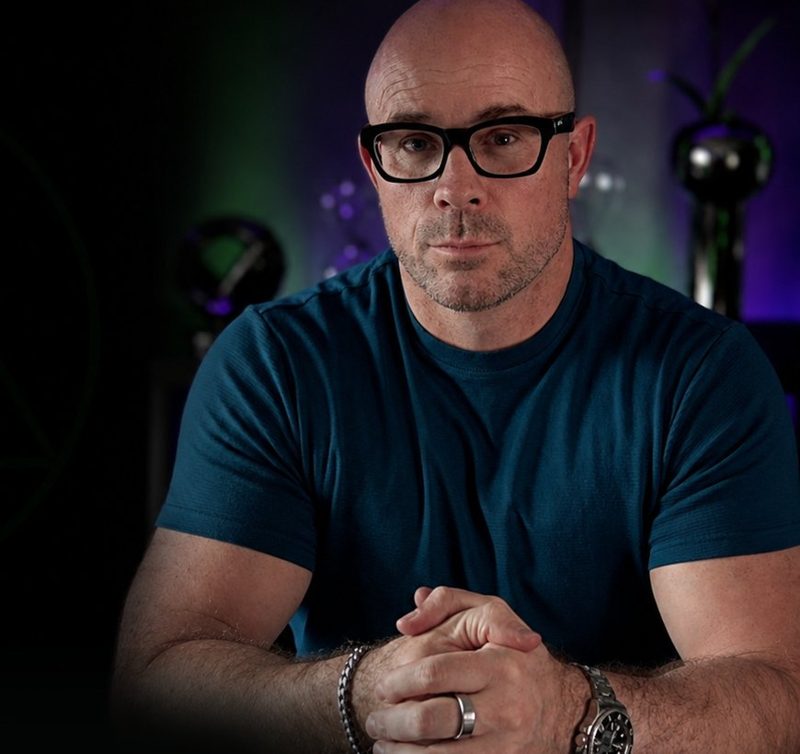
If you’ve tried to talk yourself out of this fear and it hasn’t worked, that isn’t a lack of willpower. A phobia is an alarm your mind learned, and logic alone rarely switches it off.
When I work with a fear of medication over Zoom, I always work alongside your GP’s advice, never instead of it. First we look at what the fear is really about, whether that is a past reaction, a sense of losing control or something you were told years ago. In hypnosis you rehearse taking your prescribed medicine calmly, so your body stops treating each dose as an emergency, and NLP helps settle the memory of any bad experience. Many clients find that the decision feels smaller and the after-dose checking settles down.
I’ve spent 17 years in clinical practice and helped more than 1,000 people with phobias. I hold a Postgraduate Certificate and a Postgraduate Diploma in Clinical Hypnotherapy, both with Distinction.
Please note: Please keep talking to your GP, nurse or pharmacist about any medicine you are prescribed, and do not stop or change it without their advice.
Common questions
Is it normal to be scared of side effects?
Some caution is normal and healthy. It becomes a problem when the worry is much bigger than the real risk, or when it stops you taking medicine you need. A pharmacist can explain which side effects are common and which are rare.
What should I do if I am too anxious to take my medicine?
Speak to your GP, nurse or pharmacist before making any change. They may be able to explain the medicine, suggest a different form or talk through your concerns. Please do not stop or change it on your own.
Can a fear of medicines run in families?
Fears can be learned from the people around us, so growing up with someone who distrusted medicines can play a part. A family history of anxiety can also make phobias more likely.
Is it normal to worry about side effects?
Some caution is normal, and asking questions is sensible. It becomes a phobia when the worry feels out of proportion and stops you taking medicine you need. Hypnotherapy works on the anxiety, not on your treatment.
How can you help?
I use hypnotherapy and NLP to change how your mind responds to the thing you fear, so the old alarm stops going off. Sessions are one to one over Zoom, and you get a recording of the hypnosis to listen to afterwards.
How many sessions will I need?
Many clients notice a real difference after one 90 minute session. If the fear goes back a long way, three sessions gives us room to make the change stick.
Further reading: Wikipedia: Medication phobia · Osmosis: Pharmacophobia · PMC: Predictors of pharmacophobia
Ready to start?
A short call is the simplest next step. We’ll talk about your fear, what you’d like to feel instead, and whether I’m the right person to help.
- Take the free test at the top of this page to see how strong your fear is.
- Book a 30 minute call. Use code PHOBIA at checkout for half price: £24.50 instead of £49 ($29.50 outside the UK).
- Start your sessions over Zoom from wherever you live, or face to face in Hertfordshire.
See all session options and prices