
Fear of memory loss (amnesiphobia)
En español: lee sobre este miedo en Fobias.org.
Amnesiphobia is a fear of amnesia, or of losing your memory. Small slips, like forgetting a name or why you walked into a room, can set off real alarm. If memory problems are genuinely getting worse, a GP is the right person to check them.
Many people find that with the right help, a forgotten name or a lost train of thought stops setting off alarm.
Use code PHOBIA at checkout for half price: £24.50 instead of £49. Outside the UK? $29.50.
About this phobia
The name is built on amnesia, from the Greek for forgetfulness. It is rarely reported as a phobia in its own right. The fear often sits alongside health anxiety and worries about dementia, particularly for people who have watched a relative live with memory loss.
How it shows up
Everyone forgets things, but for someone with amnesiphobia each slip can feel like the start of something serious. Losing keys, blanking on a word or missing an appointment may lead to hours of worry or self testing. The fear is often about losing who you are, your memories or your independence. It differs from normal forgetfulness because the worry itself can make concentration worse, which then seems to prove the fear right.
Common triggers
- Forgetting a name or word
- Walking into a room and not knowing why
- Misplacing keys or a phone
- News stories about dementia
- A relative’s memory changing
- Birthdays and ageing milestones
- Being asked to recall dates or details
Where it shows up
- Work meetings and presentations
- Social events with lots of new names
- Busy or stressful periods
- Late at night when thoughts race
- Visits to older relatives
- Exams and tests
Symptoms
In your body
- Tension and headaches
- Poor sleep
- Racing heart after a lapse
- Feeling drained
In your mind
- Testing your memory over and over
- Treating every slip as a sign of illness
- Trouble focusing
- Worry about the future
What you might do
- Writing everything down to avoid mistakes
- Searching symptoms online
- Avoiding situations where memory might be tested
- Asking others for reassurance
What may cause it
Amnesiphobia is rarely studied as a separate fear, and most of what is understood comes from health anxiety and worry about dementia. Watching a loved one live with memory loss can make the fear very personal. Stress, anxiety, low mood and poor sleep all affect memory, so worry can bring on the very slips that are feared. Checking and testing bring short relief but keep the fear alive.
How it can affect your life
The fear can knock confidence at work and in conversations, and constant self testing can be tiring. It can also take the joy out of time with family, especially when a relative is living with dementia. Some people stop taking on new tasks or learning new skills in case they forget them.
Related fears
- Health anxiety
- Fear of ageing (gerascophobia)
- Fear of disease (nosophobia)
Things that can help day to day
- Use lists and reminders as everyday tools, not as proof of a problem
- Look after your sleep, as tiredness affects memory for everyone
- Keep your mind busy with things you enjoy, such as reading, puzzles or chatting with friends
- Limit how often you test yourself or search online
When to get help
If memory problems are getting worse or others have noticed changes, see a GP, who can carry out simple checks. If those checks are reassuring but the worry continues, a GP can refer you for talking therapy.
Explore more unusual fears in the rare phobias A to Z, or browse the common phobias.
About me
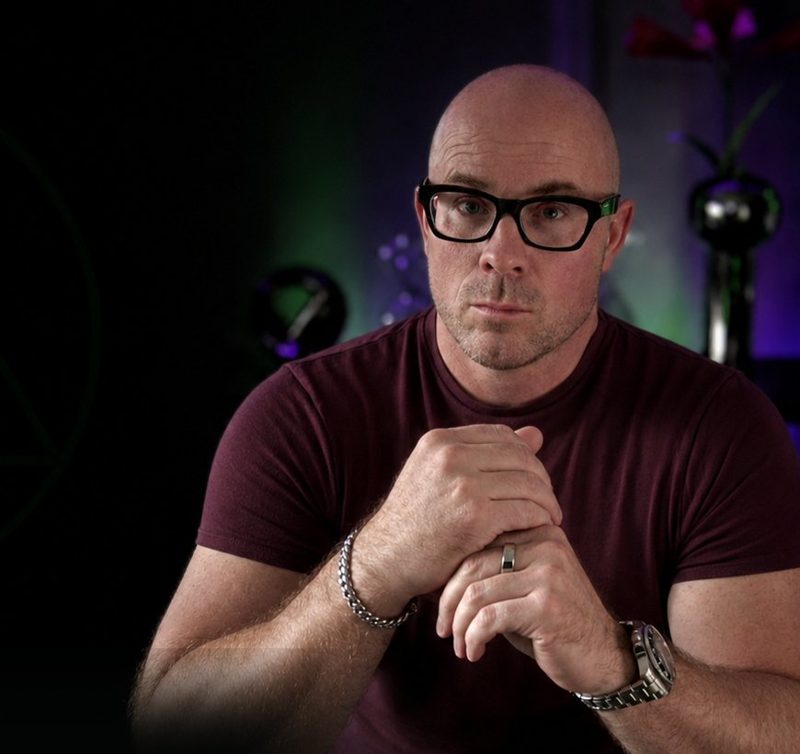
If you’ve tried to talk yourself out of this fear and it hasn’t worked, that isn’t a lack of willpower. A phobia is an alarm your mind learned, and logic alone rarely switches it off.
When a fear is less common, it can be harder to explain, so you may not have told many people about it. I work one to one over Zoom with people whose fears are holding them back, including rarer ones like this, and every plan starts with understanding what your fear is really about.
I’ve spent 17 years in clinical practice and helped more than 1,000 people with phobias. I hold a Postgraduate Certificate and a Postgraduate Diploma in Clinical Hypnotherapy, both with Distinction, and journalists and clients call me the Phobia Guru.
Common questions
Is it normal to forget things?
Yes, everyday forgetfulness is very common, and stress, poor sleep and anxiety itself can all make memory feel worse. Ongoing or worsening memory problems should be checked by a GP. Getting a proper check often eases the worry.
How can you help?
I use hypnotherapy and NLP to change how your mind responds to the thing you fear, so the old alarm stops going off. Sessions are one to one over Zoom, and you get a recording of the hypnosis to listen to afterwards.
How many sessions will I need?
Many clients notice a real difference after one 90 minute session. If the fear goes back a long way, three sessions gives us room to make the change stick.
Further reading: Worried someone has dementia, NHS · Worried about memory problems? Dementia, NHS Lincolnshire ICB
Ready to start?
A short call is the simplest next step. We’ll talk about your fear, what you’d like to feel instead, and whether I’m the right person to help.
- Take the free test at the top of this page to see how strong your fear is.
- Book a 30 minute call. Use code PHOBIA at checkout for half price: £24.50 instead of £49 ($29.50 outside the UK).
- Start your sessions over Zoom from wherever you live, or face to face in Hertfordshire.
See all session options and prices