
Fear of mercury medicines (hydrargyophobia)
Hydrargyophobia is an old term for a fear of medicines containing mercury. Mercury was once used in a number of treatments, and worry about its effects was understandable. Today the word may be borrowed for wider worries about mercury in medicines or dental fillings, and any real concern about a medicine or a symptom is best checked with a GP or pharmacist.
Many people find that with the right help, they can take the medicine their doctor recommends feeling calm and informed.
Use code PHOBIA at checkout for half price: £24.50 instead of £49. Outside the UK? $29.50.
About this phobia
The name comes from hydrargyrum, the old Latin name for mercury, which is also where its chemical symbol Hg comes from. It is an archaic term from a time when mercury-based treatments were more common, and it is rarely used now. Modern fears in this area tend to sit under health anxiety or a fear of medicines, known as pharmacophobia.
How it shows up
Today, someone with hydrargyophobia may worry about mercury in old dental fillings, in fish or in older household items such as thermometers. The fear can lead to putting off the dentist, questioning every prescription, or spending hours late into the night reading conflicting advice online. Some people know the worry is out of step with what they are told by professionals, yet still feel uneasy. It differs from sensible questioning because the fear starts to drive choices that can affect health.
Common triggers
- Dental appointments
- Talk of amalgam fillings
- Old mercury thermometers
- Food warnings about fish
- Medicine labels and ingredient lists
- Online health scare stories
- Broken energy-saving bulbs
Where it shows up
- Dental surgeries
- Pharmacies
- Supermarket fish counters
- GP surgeries
- Online forums
- Health food shops
Symptoms
In your body
- Tense jaw
- Racing heart
- Nausea
- Feeling hot or shaky
- Tight chest
In your mind
- Worry about poisoning
- Doubt about medical advice
- Searching for certainty
- Distrust of health professionals
What you might do
- Avoiding the dentist
- Refusing or stopping medicines without advice
- Checking ingredients over and over
- Seeking reassurance online
What may cause it
As an old term, hydrargyophobia has no modern research behind it. Its roots lie in the real past use of mercury-based treatments, when worry about their effects had good grounds and the risks were less well understood. Modern versions of the fear can be fuelled by online stories, a past side effect, or a general distrust of medicine and those who give it. Health anxiety can then make any uncertainty feel dangerous, so more and more checking seems necessary.
How it can affect your life
The fear can lead to missed dental care or medicines, which may affect health over time. It can take up hours in research and cause real stress before appointments. It may also cause friction with health professionals, making it harder to get the care you need.
Related fears
- Fear of medicines (pharmacophobia)
- Fear of poison (toxiphobia)
- Fear of dentists (dentophobia)
- Health anxiety
Things that can help day to day
- Write your questions down before seeing a GP, dentist or pharmacist so nothing gets missed
- Stick to NHS and other trusted sources rather than forums
- Set a time limit on reading health stories online and stop when it runs out
- Bring a friend or relative to appointments for support
When to get help
Do not stop or change a prescribed medicine without speaking to your GP or pharmacist first. If worry about mercury or medicines is affecting your care, a GP can help with the anxiety as well.
Explore more unusual fears in the rare phobias A to Z, or browse the common phobias.
About me
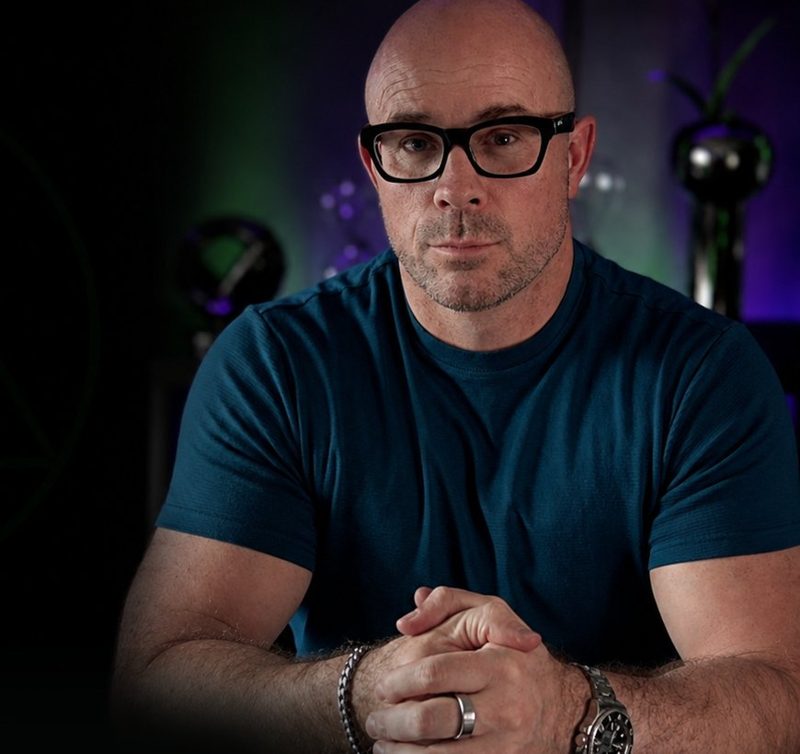
If you’ve tried to talk yourself out of this fear and it hasn’t worked, that isn’t a lack of willpower. A phobia is an alarm your mind learned, and logic alone rarely switches it off.
When a fear is less common, it can be harder to explain, so you may not have told many people about it. I work one to one over Zoom with people whose fears are holding them back, including rarer ones like this, and every plan starts with understanding what your fear is really about.
I’ve spent 17 years in clinical practice and helped more than 1,000 people with phobias. I hold a Postgraduate Certificate and a Postgraduate Diploma in Clinical Hypnotherapy, both with Distinction, and journalists and clients call me the Phobia Guru.
Common questions
Do medicines today still contain mercury?
Many of the mercury-based treatments used in the past are no longer in use. If you are worried about what is in a medicine or a filling, a pharmacist, dentist or GP can explain it. Any real symptoms are always worth checking with a GP rather than living with the worry.
How can you help?
I use hypnotherapy and NLP to change how your mind responds to the thing you fear, so the old alarm stops going off. Sessions are one to one over Zoom, and you get a recording of the hypnosis to listen to afterwards.
How many sessions will I need?
Many clients notice a real difference after one 90 minute session. If the fear goes back a long way, three sessions gives us room to make the change stick.
Further reading: Osmosis: Pharmacophobia · NHS: Health anxiety · NHS: Phobias
Ready to start?
A short call is the simplest next step. We’ll talk about your fear, what you’d like to feel instead, and whether I’m the right person to help.
- Take the free test at the top of this page to see how strong your fear is.
- Book a 30 minute call. Use code PHOBIA at checkout for half price: £24.50 instead of £49 ($29.50 outside the UK).
- Start your sessions over Zoom from wherever you live, or face to face in Hertfordshire.
See all session options and prices