
Fear of meteors (meteorophobia)
Meteorophobia is a fear of meteors, usually a worry that a rock from space could strike the earth or land nearby. It can flare up after news stories about asteroids passing close by, or after disaster films. Some people avoid looking at the night sky or reading about space altogether.
Many people find that with the right help, meteor stories become interesting rather than frightening.
Use code PHOBIA at checkout for half price: £24.50 instead of £49. Outside the UK? $29.50.
About this phobia
The name draws on the Greek meteoron, meaning something high in the air, the same root as meteorology. It is found mainly on lists of phobias and is not a recognised clinical diagnosis. It sits alongside fears of space, the sky and natural disasters.
How it shows up
Meteors are mostly harmless streaks of light that burn up high above us, but for someone with meteorophobia a shooting star can feel like a warning. The worry usually centres on a large rock hitting the earth, and it can grow into a sense that disaster could come at any moment. Unlike a passing interest in space news, the fear can lead to checking asteroid tracking sites, losing sleep or feeling sick when the subject comes up. It often feels out of proportion to the person themselves, which can add to the distress.
Common triggers
- News of an asteroid passing close by
- Disaster films about impacts
- Meteor showers and shooting stars
- Documentaries about the dinosaurs dying out
- Bright flashes in the night sky
- Social media posts predicting the end of the world
Where it shows up
- Clear nights outdoors
- Late at night in bed
- Astronomy lessons or museum visits
- Camping trips
- Times when space stories trend online
Symptoms
In your body
- Tight chest
- Fast heartbeat
- Trouble getting to sleep
- Stomach churning
In your mind
- Images of impact or destruction playing in the mind
- Feeling helpless about something no one can control
- Constant what if thinking about the future
What you might do
- Checking space news or tracking sites repeatedly
- Avoiding looking at the night sky
- Turning off films or shows about space
- Seeking reassurance from others
What may cause it
There is little research on this fear by name, but it fits a wider pattern of worry about large, uncontrollable events. Dramatic headlines and films can make a very rare event feel likely, and a mind that is already anxious may latch on to it. A school lesson, a frightening film in childhood or a period of general stress can all be starting points. Repeatedly checking for reassurance often eases the worry for a moment but keeps it going in the long run.
How it can affect your life
Some people stop enjoying stargazing, camping or evenings outdoors, and the worry can disturb sleep. Constant checking of news can eat into time and leave a low level of dread in the background.
Related fears
- Fear of space (spacephobia)
- Fear of stars (siderophobia)
- Fear of the end of the world (apocalyptic anxiety)
- Fear of natural disasters
Things that can help day to day
- Get your space news from one calm, factual source rather than headlines and social media
- Set a time limit on checking, and gradually reduce it
- When the worry starts, name five things you can see and hear around you
- Learn a little about how meteors burn up, as facts often soften the fear
When to get help
If the fear is affecting your sleep, mood or daily routine, or you find you cannot stop checking for news, a GP is a good first step.
Explore more unusual fears in the rare phobias A to Z, or browse the common phobias.
About me
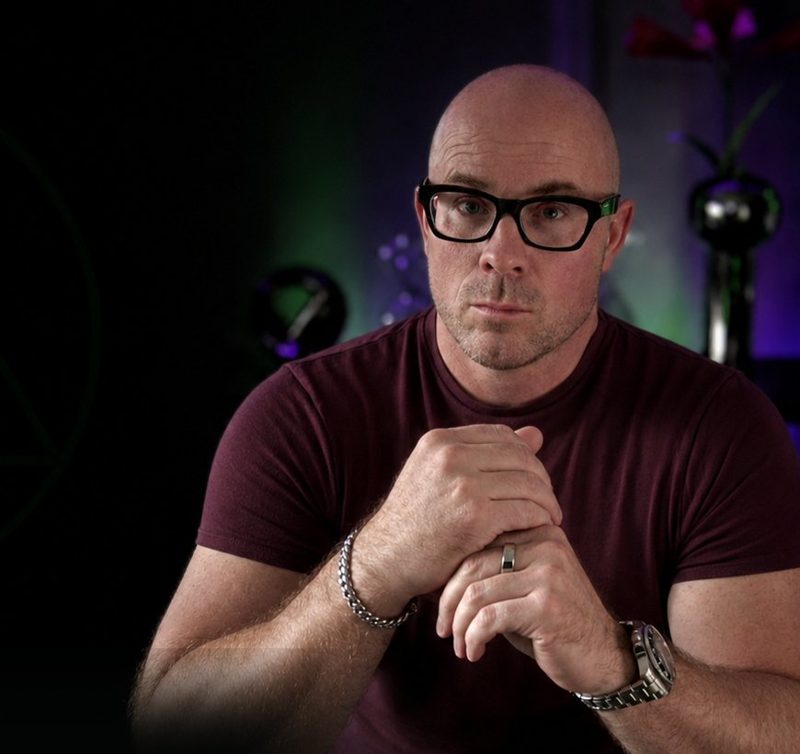
If you’ve tried to talk yourself out of this fear and it hasn’t worked, that isn’t a lack of willpower. A phobia is an alarm your mind learned, and logic alone rarely switches it off.
When a fear is less common, it can be harder to explain, so you may not have told many people about it. I work one to one over Zoom with people whose fears are holding them back, including rarer ones like this, and every plan starts with understanding what your fear is really about.
I’ve spent 17 years in clinical practice and helped more than 1,000 people with phobias. I hold a Postgraduate Certificate and a Postgraduate Diploma in Clinical Hypnotherapy, both with Distinction, and journalists and clients call me the Phobia Guru.
Common questions
Is it normal to worry after news about an asteroid?
A flicker of worry is common when headlines talk about space rocks. It becomes more of a problem when the thought keeps returning, affects sleep, or leads you to avoid the sky or the news.
How can you help?
I use hypnotherapy and NLP to change how your mind responds to the thing you fear, so the old alarm stops going off. Sessions are one to one over Zoom, and you get a recording of the hypnosis to listen to afterwards.
How many sessions will I need?
Many clients notice a real difference after one 90 minute session. If the fear goes back a long way, three sessions gives us room to make the change stick.
Further reading: Scared of Asteroids? You Shouldn’t Be
Ready to start?
A short call is the simplest next step. We’ll talk about your fear, what you’d like to feel instead, and whether I’m the right person to help.
- Take the free test at the top of this page to see how strong your fear is.
- Book a 30 minute call. Use code PHOBIA at checkout for half price: £24.50 instead of £49 ($29.50 outside the UK).
- Start your sessions over Zoom from wherever you live, or face to face in Hertfordshire.
See all session options and prices