
Fear of mirrors (catoptrophobia)
En español: lee sobre este miedo en Fobias.org.
A fear of mirrors can show up in bathrooms, changing rooms, hallways and dark rooms. For some it is about seeing a reflection, and for others it is a feeling that something is wrong in the glass, and it can be helped.
Many people find that with the right help, a mirror becomes just a mirror again, in the bathroom, the hallway or a changing room.
Use code PHOBIA at checkout for half price: £24.50 instead of £49. Outside the UK? $29.50.
Understanding this fear
Catoptrophobia, sometimes called eisoptrophobia, is a strong fear of mirrors. For some people the fear is about seeing their own reflection, and for others it is the eerie sense that something is wrong in the glass, that the reflection might move on its own, or that something might appear behind them. Most of us glance away from an unflattering mirror now and then. With this fear, mirrors bring on dread or panic, and people go to real lengths to avoid them.
It is a rare fear and has not been well studied, so there are no reliable figures on how common it is. It is often tied to superstitions, such as bad luck from a broken mirror, or to childhood games played in the dark. For some it is closer to a fear of ghosts or the supernatural, and spectrophobia is sometimes used for both. For others it links to worries about appearance or self image, which is worth separating out, because that may need different support.
Common triggers
- Catching your reflection unexpectedly
- Mirrors in dark or dim rooms
- A mirror facing the bed
- Horror films with figures in mirrors
- Broken or cracked glass
- Dares and sleepover games like Bloody Mary
- Large mirrored walls
- Shop windows and dark glass at night
- Being asked to look closely at yourself
Where it shows up
- Bathrooms, especially at night
- Changing rooms in shops
- Hallways and lifts with mirrored walls
- Gyms and dance studios
- Hotel rooms and unfamiliar bedrooms
- Hairdressers and salons
- Dark rooms with a mirrored wardrobe
Symptoms
In your body
- Racing or thumping heart
- Chills or hairs standing on end
- Freezing in place or a sudden urge to look away
- Sweating or trembling
- Short breath or a tight chest
- Feeling sick or light headed
In your mind
- Something will appear behind me
- My reflection is not quite right or not quite me
- Breaking a mirror will bring something bad
- Feeling unreal or detached when looking in the glass
- Dread about seeing myself as others do
What you might do
- Covering or removing mirrors at home
- Turning lights on before entering a bathroom
- Getting ready without looking, or using a phone camera instead
- Avoiding gyms, salons or changing rooms
- Rushing past shop windows
- Asking others to check rooms or mirrors for you
What causes it
Like most phobias, a fear of mirrors usually grows from a mix of experience and imagination. A frightening film, ghost story or dare in childhood can link mirrors with something sinister, especially when it happens in the dark. Staring at a face in a mirror in dim light can make features seem to shift or distort, which is a normal quirk of how the brain handles faces but can feel deeply unsettling if you do not know it happens. Superstitions passed down through families can add weight, and an anxious temperament makes fears more likely to stick. Avoiding and covering mirrors brings relief, but keeps the mind convinced there was something to fear.
How it can affect your life
Mirrors are everywhere, so this fear can affect getting ready in the morning, using public toilets, shopping for clothes and going to the gym. Some people feel they cannot stay in hotels or with friends without first checking where the mirrors are. If the fear is tied to appearance, it can also chip away at confidence and social life. Living with covered mirrors can feel isolating and hard to explain to others.
Things that can help day to day
- Keep lights bright in rooms with mirrors while you build confidence
- Notice superstitious thoughts and label them as fear talking, not fact
- Practise slow breathing before you walk into a bathroom or changing room
- Take small steps, such as looking into a small mirror for a few seconds in daylight
- Talk to someone you trust about what you see or feel in the glass
When to get help
It is worth getting help if you are covering mirrors, avoiding everyday places or feeling distressed most days. If the fear is mostly about how you look, or you spend a lot of time worrying about your appearance, please speak to your GP, as other support may help. Your GP is also the first port of call if anxiety is affecting your daily life.
How I can help
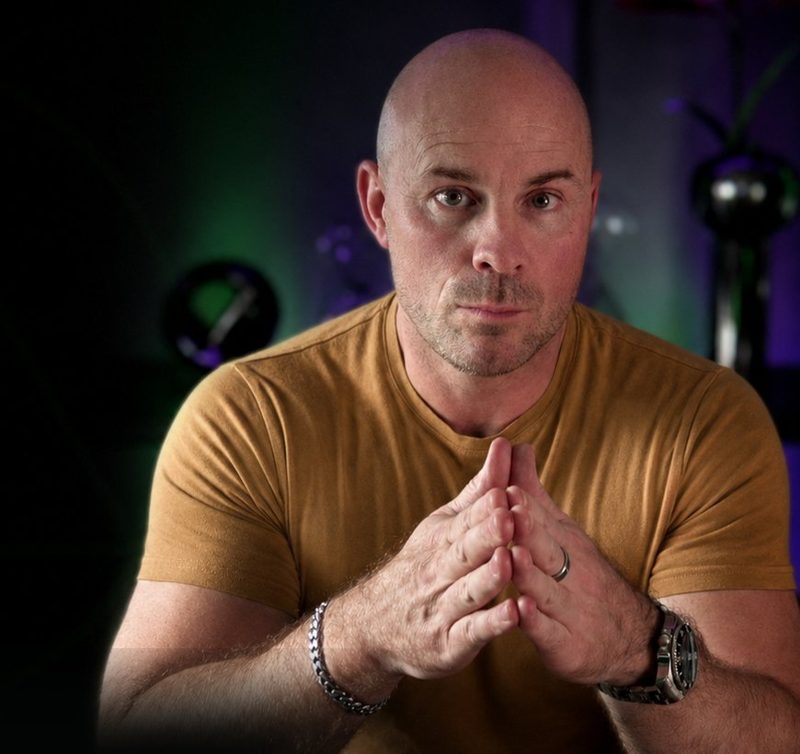
If you’ve tried to talk yourself out of this fear and it hasn’t worked, that isn’t a lack of willpower. A phobia is an alarm your mind learned, and logic alone rarely switches it off.
When I work with a fear of mirrors over Zoom, the first step is finding out what the fear is really about, whether that is something appearing in the glass, an old film or dare, or seeing yourself. Each needs a slightly different approach. Using hypnotherapy and NLP, I help your mind loosen the link between mirrors and danger, and we rehearse calm moments in your imagination, from brushing your teeth to trying on clothes. Many clients find a mirror goes back to being just a piece of glass.
I’ve spent 17 years in clinical practice and helped more than 1,000 people with phobias. I hold a Postgraduate Certificate and a Postgraduate Diploma in Clinical Hypnotherapy, both with Distinction.
Common questions
Why do faces look strange in a mirror in the dark?
Staring at a face in dim light can make features appear to shift or change, a known quirk of how the brain processes faces. It is normal, but if you do not know it is happening it can be very frightening.
Is a fear of mirrors linked to body image?
Sometimes. For some people the fear is really about seeing their own face or body, and if that is the case your GP can help check whether a condition such as body dysmorphic disorder is part of it.
Can a fear of mirrors start in childhood?
Yes, many people trace it back to a scary film, a ghost story or a dare at a sleepover. The memory can stay sharp for years, even when as an adult you know it was just a game.
Is it the same as spectrophobia?
The words are sometimes used for the same fear, though spectrophobia can also mean a fear of ghosts. It is the feeling you get around mirrors that matters most for our work.
How can you help?
I use hypnotherapy and NLP to change how your mind responds to the thing you fear, so the old alarm stops going off. Sessions are one to one over Zoom, and you get a recording of the hypnosis to listen to afterwards.
How many sessions will I need?
Many clients notice a real difference after one 90 minute session. If the fear goes back a long way, three sessions gives us room to make the change stick.
Further reading: Cleveland Clinic: Eisoptrophobia, fear of mirrors · NHS: Phobias · Mind: About phobias
Ready to start?
A short call is the simplest next step. We’ll talk about your fear, what you’d like to feel instead, and whether I’m the right person to help.
- Take the free test at the top of this page to see how strong your fear is.
- Book a 30 minute call. Use code PHOBIA at checkout for half price: £24.50 instead of £49 ($29.50 outside the UK).
- Start your sessions over Zoom from wherever you live, or face to face in Hertfordshire.
See all session options and prices