
Fear of missiles and bullets (ballistophobia)
Ballistophobia describes a fear of missiles, bullets or other objects fired through the air. For some people it is set off by news coverage, war films or video games, while others feel uneasy at fireworks or near shooting ranges. For anyone living in or near conflict, this fear is entirely understandable.
Many people find that with the right help, news reports and loud bangs stop setting off the dread, and they can feel safe going about their day.
Use code PHOBIA at checkout for half price: £24.50 instead of £49. Outside the UK? $29.50.
About this phobia
The word comes from ballistics, the study of objects in flight, which in turn goes back to the Greek ballein, to throw. It is not a recognised clinical diagnosis and appears mostly on lists of unusual phobias. Where the fear follows a frightening real event, it may be closer to trauma than to a simple phobia.
How it shows up
Ballistophobia can range from a jolt of fear at a sudden bang to a constant, low dread of being caught in gunfire or a missile strike. For people who have lived through conflict or a shooting, it is often part of a wider trauma response rather than a stand-alone phobia. For others it builds up from what they have seen on screens, and they may know the risk where they live is very low yet still cannot shake the feeling. What sets it apart from normal concern is how often it comes up and how much it limits what you do.
Common triggers
- Loud bangs such as fireworks or a car backfiring
- News reports about war, attacks or shootings
- Films, TV dramas and video games with gunfire
- Seeing armed police or soldiers
- Aircraft flying low overhead
- Toy guns and cap guns
Where it shows up
- Bonfire night and New Year celebrations
- Airports and stations with armed officers
- Cinemas showing action films
- Large crowds at concerts or sports events
- Countryside areas during the shooting season
Symptoms
In your body
- Jumping or flinching at sudden noises
- Pounding heart and fast breathing
- Shaking or weak legs
- Trouble sleeping
In your mind
- Scanning crowds and rooftops for danger
- Vivid pictures of being hit or trapped
- Feeling on edge for hours after a bang
- Difficulty switching off from the news
What you might do
- Avoiding fireworks displays and crowded events
- Leaving the room during films or news
- Planning escape routes in public places
- Staying home on noisy nights
What may cause it
Fear of being hurt by something fired through the air is a fairly natural one, and it is easy to see how it grows when someone has been close to real violence. It can also build slowly from repeated news coverage, which keeps danger feeling near even when it is far away. Sudden noises can then become linked with threat, so the body reacts before you have had time to think. Very little research looks at this fear on its own, so most of what is known comes from wider work on specific phobias and on trauma.
How it can affect your life
Many people find themselves dreading celebrations that others enjoy, from bonfire night to weddings with fireworks. It can narrow social life and travel, and when it is linked to past events it may bring nightmares and a sense of never being fully safe.
Related fears
- Fear of guns (hoplophobia)
- Fear of loud noises (phonophobia)
- Fear of war (polemophobia)
Things that can help day to day
- Limit how much news you watch and choose set times to check it
- Breathe out slowly after a sudden bang to calm the startle response
- Plan noisy nights with friends, such as watching fireworks from indoors
- Keep a simple note of what sets the fear off to spot patterns
When to get help
If the fear follows a real frightening event, or you have flashbacks, nightmares or feel constantly on guard, speak to your GP, as trauma-focused help is available. Get support too if it is stopping you going out or sleeping.
Explore more unusual fears in the rare phobias A to Z, or browse the common phobias.
About me
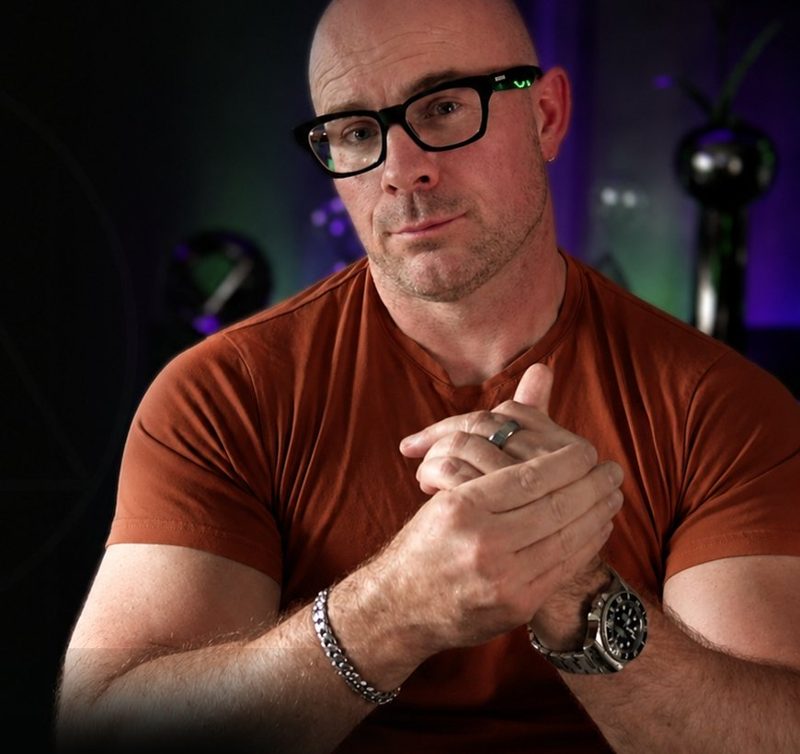
If you’ve tried to talk yourself out of this fear and it hasn’t worked, that isn’t a lack of willpower. A phobia is an alarm your mind learned, and logic alone rarely switches it off.
When a fear is less common, it can be harder to explain, so you may not have told many people about it. I work one to one over Zoom with people whose fears are holding them back, including rarer ones like this, and every plan starts with understanding what your fear is really about.
I’ve spent 17 years in clinical practice and helped more than 1,000 people with phobias. I hold a Postgraduate Certificate and a Postgraduate Diploma in Clinical Hypnotherapy, both with Distinction, and journalists and clients call me the Phobia Guru.
Common questions
What if this fear started after something that really happened?
Fear that follows a real frightening event can be a trauma response rather than a phobia, and it deserves proper support. A GP can point you towards trauma-focused help, and it is fine to take things at your own pace.
How can you help?
I use hypnotherapy and NLP to change how your mind responds to the thing you fear, so the old alarm stops going off. Sessions are one to one over Zoom, and you get a recording of the hypnosis to listen to afterwards.
How many sessions will I need?
Many clients notice a real difference after one 90 minute session. If the fear goes back a long way, three sessions gives us room to make the change stick.
Further reading: NHS: Noise sensitivity (hyperacusis) · Cleveland Clinic: Phobias · NHS: Phobias
Ready to start?
A short call is the simplest next step. We’ll talk about your fear, what you’d like to feel instead, and whether I’m the right person to help.
- Take the free test at the top of this page to see how strong your fear is.
- Book a 30 minute call. Use code PHOBIA at checkout for half price: £24.50 instead of £49 ($29.50 outside the UK).
- Start your sessions over Zoom from wherever you live, or face to face in Hertfordshire.
See all session options and prices