
Fear of moths (mottephobia)
Mottephobia is a fear of moths. People often describe dread about a moth fluttering towards their face, landing on them or getting caught in their hair. Summer evenings with the windows open or a light on outdoors can feel like a risk.
Many people find that with the right help, a moth at the window becomes something they can calmly let outside.
Use code PHOBIA at checkout for half price: £24.50 instead of £49. Outside the UK? $29.50.
About this phobia
The name is usually linked to the German word Motte, meaning moth. It is not a formal diagnosis but is one of the more often mentioned rare fears. It is related to entomophobia, a fear of insects, and lepidopterophobia, a fear of butterflies and moths.
How it shows up
Moths are harmless to people, yet the fear of them is one of the more widely described rare phobias. What tends to bother people is the way moths move, darting and fluttering without warning, often towards a lamp or a face. A person with mottephobia may scream, run from the room or refuse to go back in until the moth has gone. Many also find the dusty wings and the feel of a moth on the skin deeply unpleasant.
Common triggers
- A moth fluttering near the face
- Moths landing on skin or hair
- Dusty wing marks on walls or clothes
- Sudden movement in the dark
- Moth holes in clothes or carpets
- Large moths resting on curtains
Where it shows up
- Warm summer evenings
- Rooms with lights on and windows open
- Garden parties and barbecues
- Camping or holiday cottages
- Lofts, sheds and wardrobes
Symptoms
In your body
- Jumping or flinching
- Racing heart
- Skin crawling
- Fast, shallow breathing
- Freezing on the spot
In your mind
- Fear the moth will touch you
- Unable to settle until it has gone
- Feeling silly but unable to stop the reaction
What you might do
- Keeping windows shut in summer
- Leaving lights off in the evening
- Asking others to remove moths
- Avoiding lofts, wardrobes or outdoor events
What may cause it
There is little formal research, though one survey presented at an entomology conference looked at how common the fear is and people’s attitudes to moths. As with other insect fears, a sudden frightening encounter, often in childhood, can be the starting point. Children can also pick up the fear from a parent who reacts strongly. The unpredictable flight of moths seems to play a part, as the mind struggles to judge where they will go next.
How it can affect your life
Summer evenings can become tense, with windows kept shut on hot nights and outdoor plans cut short. Some people lose sleep worrying that a moth is in the bedroom, or check every curtain before turning off the light.
Related fears
- Fear of butterflies and moths (lepidopterophobia)
- Fear of insects (entomophobia)
- Fear of flying insects
- Fear of spiders (arachnophobia)
Things that can help day to day
- Fit fine mesh screens on windows so you can let air in on warm nights
- Look at photos of moths in daylight, starting with small, plain ones
- Learn a few facts about moths, such as how harmless they are
- Use a glass and card to guide a moth out, or ask someone to help at first
When to get help
If the fear is affecting your sleep or keeping you indoors for much of the summer, a GP can talk through support options.
Explore more unusual fears in the rare phobias A to Z, or browse the common phobias.
About me
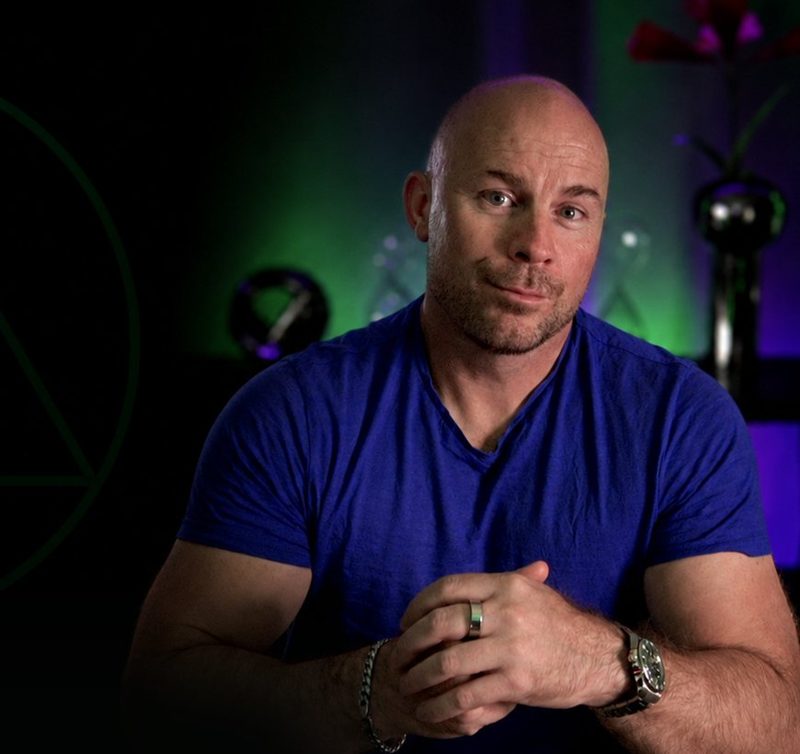
If you’ve tried to talk yourself out of this fear and it hasn’t worked, that isn’t a lack of willpower. A phobia is an alarm your mind learned, and logic alone rarely switches it off.
When a fear is less common, it can be harder to explain, so you may not have told many people about it. I work one to one over Zoom with people whose fears are holding them back, including rarer ones like this, and every plan starts with understanding what your fear is really about.
I’ve spent 17 years in clinical practice and helped more than 1,000 people with phobias. I hold a Postgraduate Certificate and a Postgraduate Diploma in Clinical Hypnotherapy, both with Distinction, and journalists and clients call me the Phobia Guru.
Common questions
Why do moths scare people more than butterflies?
Moths tend to fly at night, move in sudden jerky patterns and head towards lights, which often means towards faces. That unpredictability is what many people with this fear say bothers them most.
How can you help?
I use hypnotherapy and NLP to change how your mind responds to the thing you fear, so the old alarm stops going off. Sessions are one to one over Zoom, and you get a recording of the hypnosis to listen to afterwards.
How many sessions will I need?
Many clients notice a real difference after one 90 minute session. If the fear goes back a long way, three sessions gives us room to make the change stick.
Further reading: Lepidoptera – Not! A survey of mottephobia incidence and attitudes towards moths and butterflies
Ready to start?
A short call is the simplest next step. We’ll talk about your fear, what you’d like to feel instead, and whether I’m the right person to help.
- Take the free test at the top of this page to see how strong your fear is.
- Book a 30 minute call. Use code PHOBIA at checkout for half price: £24.50 instead of £49 ($29.50 outside the UK).
- Start your sessions over Zoom from wherever you live, or face to face in Hertfordshire.
See all session options and prices