
Fear of movement (kinesiophobia)
En español: lee sobre este miedo en Fobias.org.
A fear of movement can show up after an injury, an operation or a long spell of pain, when you worry that moving will hurt you again. It can slow your recovery and shrink your day. It can be helped.
Many people find that with the right help, and alongside their physio or doctor’s advice, moving again feels less frightening.
Use code PHOBIA at checkout for half price: £24.50 instead of £49. Outside the UK? $29.50.
Understanding this fear
Kinesiophobia is a strong fear of moving because you believe it will cause pain or harm you again. It often builds after an injury, an operation, a heart problem or a long spell of back pain. Being careful while you heal is sensible, but with kinesiophobia the fear stays long after your GP or physiotherapist says it is safe to move. You may hold your body stiffly, avoid bending or lifting, and feel a jolt of fear at the thought of exercise.
It is common in people living with long term pain, and it has also been reported after heart attacks, strokes and in conditions such as multiple sclerosis and Parkinson’s disease. Older adults with ongoing pain can be especially affected. Physiotherapists often talk about the fear avoidance cycle, where worry about pain leads to doing less, which leads to stiffness, weakness and more pain. Health professionals sometimes measure it with a short questionnaire called the Tampa Scale.
Common triggers
- Bending, twisting or lifting
- Getting in and out of a car or bath
- Exercises set by a physiotherapist
- A twinge or ache during normal activity
- Stairs, slopes or uneven ground
- Being asked to return to work or sport
- Remembering the moment of injury
- Hearing stories about others being hurt
Where it shows up
- Physiotherapy and rehab sessions
- Gyms and swimming pools
- Busy streets where you might be jostled
- Work, especially physical jobs
- Playing with children or grandchildren
- Doing housework and gardening
Symptoms
In your body
- Bracing or tensing muscles before moving
- Holding your breath during movement
- Racing heart when asked to exercise
- Stiffness from moving less
- Feeling shaky or weak
- Pain feeling stronger when you are anxious
In your mind
- If I bend I will damage my back again
- Pain must mean I am doing harm
- Feeling fragile or broken
- Constant watching of every twinge
- Losing confidence in your own body
What you might do
- Avoiding activities you used to enjoy
- Moving stiffly or guarding one part of the body
- Skipping physiotherapy or rehab sessions
- Asking others to lift or carry things
- Resting far more than advised
What causes it
Kinesiophobia usually grows from a real, painful experience, such as an injury, surgery or a frightening health event. The mind links movement with that pain and starts treating normal activity as dangerous. Watching someone else struggle with pain, or hearing worrying stories, can add to it. Catastrophic thoughts, such as believing a twinge means serious damage, make the fear stronger. Each time you avoid a movement, you feel relief, but your body also becomes stiffer and weaker, so moving feels harder and more uncomfortable, which seems to prove the fear right.
How it can affect your life
A fear of movement can slow recovery and make pain last longer. People may give up hobbies, sport or physical work, and some miss rehabilitation sessions that would help them. It can lead to spending more time at home, feeling low and losing confidence. Partners and family may end up doing more of the lifting and chores, which can put strain on relationships.
Things that can help day to day
- Follow the exercise plan your GP or physiotherapist gave you, in the small steps they advise
- Ask your physiotherapist to explain why the movements are safe for you
- Breathe out slowly as you move instead of holding your breath
- Notice thoughts like this will damage me and remind yourself of what your clinician said
- Keep a simple note of what you managed each day to see progress
When to get help
Please check with your GP or physiotherapist about what movement is safe for you, and keep following their advice while we work on the fear. It is worth getting help if fear is stopping you from doing your rehab, returning to work or living your normal life. If you have new or worsening pain, numbness or weakness, see your GP straight away.
How I can help
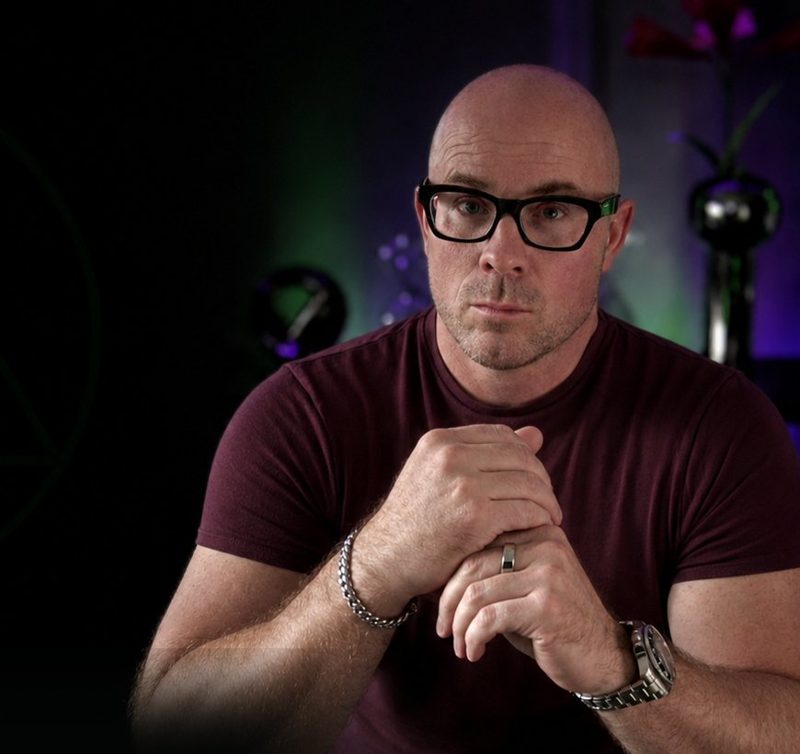
If you’ve tried to talk yourself out of this fear and it hasn’t worked, that isn’t a lack of willpower. A phobia is an alarm your mind learned, and logic alone rarely switches it off.
When I work with a fear of movement over Zoom, it always sits alongside the advice from your GP or physiotherapist, never instead of it. We start by finding out what your mind expects to happen when you move, and often there is a vivid memory of the injury or a moment of pain behind it. Using hypnotherapy and NLP, we calm that memory and rehearse safe, everyday movements in the mind while your body stays relaxed. Many clients find they feel more confident in their body and more able to follow their rehab plan.
I’ve spent 17 years in clinical practice and helped more than 1,000 people with phobias. I hold a Postgraduate Certificate and a Postgraduate Diploma in Clinical Hypnotherapy, both with Distinction.
Please note: Please check with your GP or physiotherapist about what movement is safe for you, and keep following their advice while we work on the fear.
Common questions
Does pain always mean I am causing damage?
Not always. After an injury, the nervous system can stay extra sensitive and send pain signals even when the tissue has healed. Your GP or physiotherapist can tell you what is safe for your situation.
What is the fear avoidance cycle?
It is when worry about pain leads you to move less, which makes muscles stiffer and weaker, so moving becomes more uncomfortable. That discomfort then seems to confirm the fear, and the cycle repeats.
Can a fear of movement slow down my recovery?
It can. Avoiding activity and rehab can lead to more stiffness and disability over time. Working on the fear alongside your physiotherapy often helps people get moving again.
Why am I afraid of moving after an injury?
The mind learns to link movement with pain and tries to protect you by avoiding it. Staying still for too long can leave you stiffer and more anxious. Working on the fear can go hand in hand with your medical care.
How can you help?
I use hypnotherapy and NLP to change how your mind responds to the thing you fear, so the old alarm stops going off. Sessions are one to one over Zoom, and you get a recording of the hypnosis to listen to afterwards.
How many sessions will I need?
Many clients notice a real difference after one 90 minute session. If the fear goes back a long way, three sessions gives us room to make the change stick.
Further reading: PMC: Treatments for kinesiophobia in chronic pain, scoping review · Physiopedia: Kinesiophobia · NHS: Phobias
Ready to start?
A short call is the simplest next step. We’ll talk about your fear, what you’d like to feel instead, and whether I’m the right person to help.
- Take the free test at the top of this page to see how strong your fear is.
- Book a 30 minute call. Use code PHOBIA at checkout for half price: £24.50 instead of £49 ($29.50 outside the UK).
- Start your sessions over Zoom from wherever you live, or face to face in Hertfordshire.
See all session options and prices