
Fear of music (melophobia)
Melophobia is a fear of music. It can mean finding background music in shops, cars or restaurants distressing, or avoiding concerts, weddings and parties where music is hard to escape.
Many people find that with the right help, background music in a shop or a restaurant becomes something they can relax with.
Use code PHOBIA at checkout for half price: £24.50 instead of £49. Outside the UK? $29.50.
About this phobia
The name links to the Greek melos, meaning song, the same root as melody. It is rarely reported and not a formal diagnosis. It can overlap with sensitivity to sound, such as hyperacusis, or with a strong emotional link between certain songs and a difficult time.
How it shows up
Music is such a large part of daily life that a fear of it can feel very isolating. For someone with melophobia, songs may bring on anxiety, sadness or a sense of being overwhelmed. Some react to certain songs or styles, while others find any music too much. This is different from simply not liking a genre, as the person may have to leave shops, parties or events.
Common triggers
- Songs linked to a painful time
- Loud music in shops or cars
- Sudden changes in volume
- Live bands or concerts
- Music in films or adverts
- Singing in groups
- Ringtones or alarm tunes
Where it shows up
- Shops, cafes and gyms
- Weddings and parties
- Pubs and clubs
- Cars and public transport
- Religious services
- Lifts and waiting rooms with background music
Symptoms
In your body
- Tight chest or throat
- Discomfort or ringing in the ears
- Racing heart
- Headache
- Tense jaw
In your mind
- Unwanted memories coming back
- Feeling overwhelmed or flooded
- Sadness or dread
- Feeling trapped when music cannot be turned off
What you might do
- Wearing earplugs or headphones
- Avoiding events with music
- Turning off the radio or TV
- Leaving shops with loud music
What may cause it
There is little research on melophobia itself. Music can carry strong emotional memories, so a song linked to a loss, a breakup or a frightening event may set off a powerful reaction. Some people have sound sensitivity, such as hyperacusis or misophonia, which can make music feel painful or intrusive. Avoiding music brings relief but can make more sounds feel threatening over time.
How it can affect your life
It can be hard to go out, shop or join celebrations where music is hard to escape. Some people feel cut off from friends who enjoy concerts or nights out. Over time, the effort of avoiding music can make even a trip to the shops feel draining.
Related fears
- Fear of loud sounds (phonophobia)
- Sensitivity to everyday sounds (hyperacusis)
- Strong reactions to certain sounds (misophonia)
Things that can help day to day
- Choose calm music you feel safe with and play it quietly
- Keep a list of songs to avoid for now
- Use earplugs in loud places rather than skipping events
- Slowly raise the volume or listening time over several days
When to get help
If sounds feel painful or you notice ringing in your ears, see your GP. If music is tied to a painful memory or loss, a therapist or counsellor can help you work through it.
Explore more unusual fears in the rare phobias A to Z, or browse the common phobias.
About me
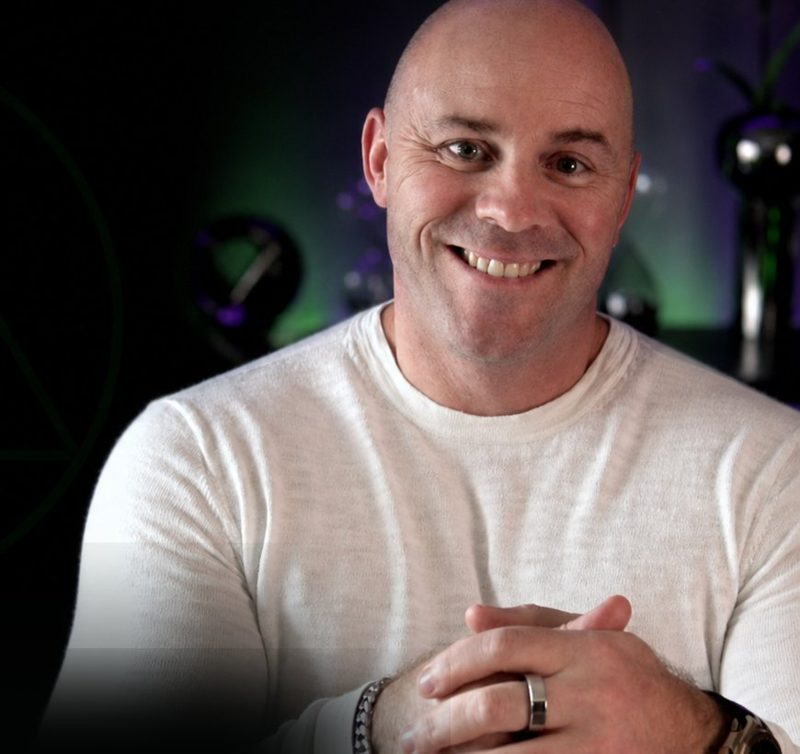
If you’ve tried to talk yourself out of this fear and it hasn’t worked, that isn’t a lack of willpower. A phobia is an alarm your mind learned, and logic alone rarely switches it off.
When a fear is less common, it can be harder to explain, so you may not have told many people about it. I work one to one over Zoom with people whose fears are holding them back, including rarer ones like this, and every plan starts with understanding what your fear is really about.
I’ve spent 17 years in clinical practice and helped more than 1,000 people with phobias. I hold a Postgraduate Certificate and a Postgraduate Diploma in Clinical Hypnotherapy, both with Distinction, and journalists and clients call me the Phobia Guru.
Common questions
Can sound sensitivity feel like a fear of music?
Yes. Conditions such as hyperacusis can make everyday sounds feel painfully loud, which can lead to avoiding music. A GP or audiologist can check whether sound sensitivity is part of the picture.
How can you help?
I use hypnotherapy and NLP to change how your mind responds to the thing you fear, so the old alarm stops going off. Sessions are one to one over Zoom, and you get a recording of the hypnosis to listen to afterwards.
How many sessions will I need?
Many clients notice a real difference after one 90 minute session. If the fear goes back a long way, three sessions gives us room to make the change stick.
Further reading: NHS: Noise sensitivity (hyperacusis) · Cleveland Clinic: Misophonia · Medical News Today: Phonophobia
Ready to start?
A short call is the simplest next step. We’ll talk about your fear, what you’d like to feel instead, and whether I’m the right person to help.
- Take the free test at the top of this page to see how strong your fear is.
- Book a 30 minute call. Use code PHOBIA at checkout for half price: £24.50 instead of £49 ($29.50 outside the UK).
- Start your sessions over Zoom from wherever you live, or face to face in Hertfordshire.
See all session options and prices