
Fear of narrow places (stenophobia)
Stenophobia is a fear of narrow things or places, such as tight alleys, thin corridors, small gaps between buildings or narrow bridges. It can make walking through old town centres, using some lifts or squeezing past people in a crowded space feel hard. Some people also react to narrow objects or to the idea of getting stuck.
Many people find that with the right help, a narrow alley or a thin corridor becomes somewhere they can walk through calmly.
Use code PHOBIA at checkout for half price: £24.50 instead of £49. Outside the UK? $29.50.
About this phobia
The name comes from the Greek stenos, meaning narrow, as in the medical word stenosis. It is rare as a separate term and mostly found on lists. It is closely related to claustrophobia, the fear of enclosed spaces, and many people with this fear would simply call themselves claustrophobic.
How it shows up
Someone with this fear may feel hemmed in walking down a thin alley, uneasy on a narrow walkway, or dread squeezing past people in a tight aisle. The worry is often about not being able to turn round or get out quickly if something goes wrong. Some also feel uncomfortable just looking at narrow objects, or at photos of tight spaces. It differs from ordinary discomfort because it can change routes, plans and travel choices.
Common triggers
- Narrow alleys and passages
- Thin corridors
- Narrow footbridges
- Tight shop aisles
- Small gaps between people
- Crowded train carriages
- Being boxed in on a pavement
Where it shows up
- Old town centres
- Shops with tight aisles
- Trains and buses
- Lifts
- Tunnels and underpasses
- Theatre and cinema rows
Symptoms
In your body
- Racing heart
- Shortness of breath
- Sweating
- Lightheadedness
- Tight chest
In your mind
- Fear of getting stuck
- Feeling trapped
- Constant need for an exit
- Worry about others blocking the way
What you might do
- Taking longer routes
- Avoiding busy places
- Standing near exits
- Avoiding lifts
What may cause it
Research on this fear by name is scarce, but it overlaps strongly with claustrophobia, which is well studied and often responds well to therapy. A past experience of being stuck or trapped, even briefly, can start it. Some people are naturally more sensitive to feeling closed in. Steering clear of narrow spaces keeps the fear strong over time.
How it can affect your life
City walks, shopping and public transport can become harder, especially at busy times. Some people avoid travel or certain jobs because of it. Holidays to old towns with winding streets may also feel stressful rather than enjoyable.
Related fears
- Fear of enclosed spaces (claustrophobia)
- Fear of crowds (enochlophobia)
- Fear of lifts
- Fear of being trapped
Things that can help day to day
- Look ahead to where the space opens out
- Use slow breathing as you move through, counting each step
- Start with short, wider passages and build up gradually
- Walk with a friend the first few times you try a new route
When to get help
If the fear is limiting travel, work or daily life, talking therapy or hypnotherapy can help, and fears of tight spaces often respond well to gradual work. If you often feel faint or short of breath, see a GP to rule out a physical cause.
Explore more unusual fears in the rare phobias A to Z, or browse the common phobias.
About me
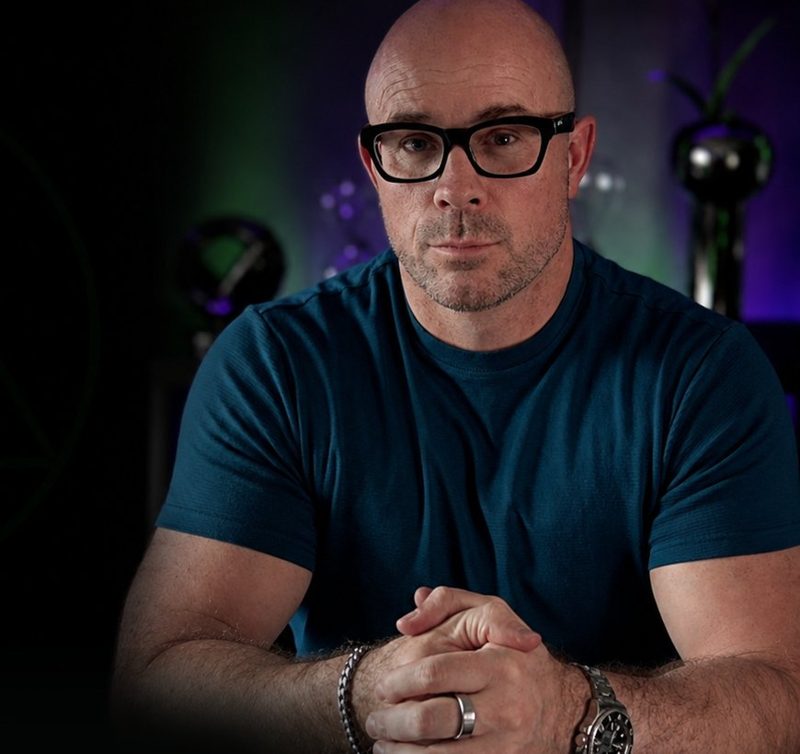
If you’ve tried to talk yourself out of this fear and it hasn’t worked, that isn’t a lack of willpower. A phobia is an alarm your mind learned, and logic alone rarely switches it off.
When a fear is less common, it can be harder to explain, so you may not have told many people about it. I work one to one over Zoom with people whose fears are holding them back, including rarer ones like this, and every plan starts with understanding what your fear is really about.
I’ve spent 17 years in clinical practice and helped more than 1,000 people with phobias. I hold a Postgraduate Certificate and a Postgraduate Diploma in Clinical Hypnotherapy, both with Distinction, and journalists and clients call me the Phobia Guru.
Common questions
How is stenophobia different from claustrophobia?
Claustrophobia is about being closed in, while stenophobia focuses on narrowness, even when a space is open at both ends. In practice the two often overlap. Both tend to respond to the same kinds of approach used for other specific phobias.
How can you help?
I use hypnotherapy and NLP to change how your mind responds to the thing you fear, so the old alarm stops going off. Sessions are one to one over Zoom, and you get a recording of the hypnosis to listen to afterwards.
How many sessions will I need?
Many clients notice a real difference after one 90 minute session. If the fear goes back a long way, three sessions gives us room to make the change stick.
Further reading: NHS: Claustrophobia · NHS: Phobias
Ready to start?
A short call is the simplest next step. We’ll talk about your fear, what you’d like to feel instead, and whether I’m the right person to help.
- Take the free test at the top of this page to see how strong your fear is.
- Book a 30 minute call. Use code PHOBIA at checkout for half price: £24.50 instead of £49 ($29.50 outside the UK).
- Start your sessions over Zoom from wherever you live, or face to face in Hertfordshire.
See all session options and prices