
Fear of nets (amphiblestronophobia)
Amphiblestronophobia is said to mean a fear of nets, such as fishing nets, sports nets or netting over fruit and plants. Where something like this does happen, it tends to centre on the idea of getting tangled, trapped or unable to pull free.
Many people find that with the right help, nets at the beach, on the pitch or over a pond become ordinary things again.
Use code PHOBIA at checkout for half price: £24.50 instead of £49. Outside the UK? $29.50.
About this phobia
The word appears to come from the Greek amphiblestron, a type of casting net. It has been found on a Simple English Wikipedia list only, with no record of it as a real fear. Fears of being trapped or confined, such as claustrophobia, are much better documented and may describe the feeling more accurately.
How it shows up
Many people dislike the feel of netting against their skin, but a genuine fear goes further, with strong alarm at the thought of being caught up and unable to get free. Someone affected might keep well away from goal nets, refuse to walk under netting in a garden centre or feel panic when a hair net, veil or mesh fabric brushes their face. The fear is often less about the net itself and more about losing the ability to move. That focus on being trapped is what marks it out from simple dislike.
Common triggers
- Being close to fishing or cargo nets
- Mesh fabric touching the face or hands
- Climbing frames with rope netting
- Fruit cages and garden netting
- Images of animals tangled in nets
- Hair nets or mesh caps worn for work
Where it shows up
- Harbours and fishing towns
- Playgrounds and soft play centres
- Sports grounds with goal or practice nets
- Allotments and garden centres
- Food factories or kitchens that require hair nets
Symptoms
In your body
- Sudden rush of panic
- Feeling short of breath
- Shaking hands
- Heart pounding
- Dizziness or lightheadedness
In your mind
- Fear of being trapped
- Picturing becoming tangled
- Feeling of losing control
What you might do
- Avoiding playgrounds or sports pitches
- Turning down jobs that need hair nets
- Keeping an exit in view
- Pulling away from mesh clothing
What may cause it
There is no research on a fear of nets in particular, so any explanation has to borrow from what is known about related fears. A frightening moment of being tangled, held down or stuck, perhaps during childhood play, could leave a lasting link between netting and danger. Some people also have a strong general fear of being trapped or restricted, and nets simply become one more reminder of that. Avoiding them keeps the alarm fresh, because there is no chance to learn that most nets are harmless and easy to step away from.
How it can affect your life
The fear can quietly limit family outings, sport and some jobs, especially in food handling where hair nets are standard. Parents may feel torn when children want to play on climbing nets at the park. Over time, people may find themselves planning days around places with no netting at all.
Related fears
- Fear of confined spaces (claustrophobia)
- Fear of choking or smothering (pnigophobia)
- Fear of being touched (haphephobia)
Things that can help day to day
- Start by holding a small piece of mesh, such as a fruit bag, in your hands
- Remind yourself that you can step away from a net at any point
- Use slow breathing to settle the trapped feeling
- Practise only in calm, safe places on dry ground, never near water or heights
When to get help
If the fear stops you working, joining in with your children or doing things you enjoy, it is worth getting support. A GP can talk through therapy options, and hypnotherapy is another route many people with fears of being trapped find useful.
Explore more unusual fears in the rare phobias A to Z, or browse the common phobias.
About me
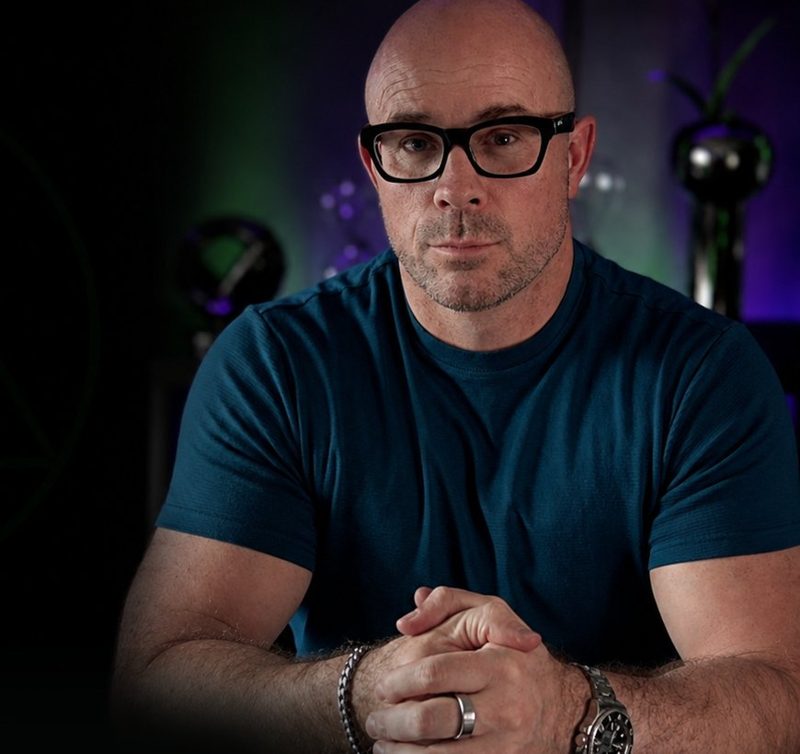
If you’ve tried to talk yourself out of this fear and it hasn’t worked, that isn’t a lack of willpower. A phobia is an alarm your mind learned, and logic alone rarely switches it off.
When a fear is less common, it can be harder to explain, so you may not have told many people about it. I work one to one over Zoom with people whose fears are holding them back, including rarer ones like this, and every plan starts with understanding what your fear is really about.
I’ve spent 17 years in clinical practice and helped more than 1,000 people with phobias. I hold a Postgraduate Certificate and a Postgraduate Diploma in Clinical Hypnotherapy, both with Distinction, and journalists and clients call me the Phobia Guru.
Common questions
What if I panic about getting tangled in things?
A fear of entanglement is usually tied to a wider fear of being trapped, rather than to nets themselves. That kind of fear is well recognised and can be worked on directly. Noticing which situations set it off is a useful first step.
How can you help?
I use hypnotherapy and NLP to change how your mind responds to the thing you fear, so the old alarm stops going off. Sessions are one to one over Zoom, and you get a recording of the hypnosis to listen to afterwards.
How many sessions will I need?
Many clients notice a real difference after one 90 minute session. If the fear goes back a long way, three sessions gives us room to make the change stick.
Further reading: NHS: Claustrophobia · NHS: Phobias
Ready to start?
A short call is the simplest next step. We’ll talk about your fear, what you’d like to feel instead, and whether I’m the right person to help.
- Take the free test at the top of this page to see how strong your fear is.
- Book a 30 minute call. Use code PHOBIA at checkout for half price: £24.50 instead of £49 ($29.50 outside the UK).
- Start your sessions over Zoom from wherever you live, or face to face in Hertfordshire.
See all session options and prices