
Fear of new things (neophobia)
En español: lee sobre este miedo en Fobias.org.
Neophobia is a fear of anything new, from new places and people to new routines or technology. It can make change of any kind, such as a new job or moving house, feel very hard. Plenty of people prefer the familiar; neophobia describes the point where that preference turns into real anxiety.
Many people find that with the right help, new places, people and routines start to feel interesting rather than threatening.
Use code PHOBIA at checkout for half price: £24.50 instead of £49. Outside the UK? $29.50.
About this phobia
The word comes from the Greek neos, meaning new. Unlike many terms on lists of phobias, it is used in research, especially for animal behaviour and for young children who are wary of trying new foods. As a fear in adults it is less formally described.
How it shows up
Feeling a little nervous on the first day of a new job is normal. With neophobia, the same unease shows up with anything unfamiliar, and it can be strong enough to make people turn down good opportunities. Some find new foods hard, others new places, people or technology. It often comes with a strong pull towards routine and a sense of safety in what is known.
Common triggers
- Starting a new job or school
- Moving house
- Meeting new people
- Trying new foods
- New apps, phones or gadgets
- Changes to daily routine
Where it shows up
- Holidays in unfamiliar places
- Restaurants with new menus
- First days and induction weeks
- Shops that have been rearranged
- Family events with new faces
Symptoms
In your body
- Butterflies or upset stomach
- Tension
- Racing heart
- Restless sleep before a change
In your mind
- Worry about what might go wrong
- Strong preference for the familiar
- Feeling out of your depth
What you might do
- Turning down invitations or offers
- Sticking to the same foods and places
- Delaying decisions about change
- Leaning on others to try things first
What may cause it
Unlike many rare fears, neophobia has been studied, especially in animals and in young children who are wary of new foods. Some caution about new things seems to be natural and protective. Temperament, past experiences of change going badly and periods of stress can all make it stronger. Avoiding change can keep the fear going, because there are fewer chances to learn that new things can turn out fine.
How it can affect your life
The fear can hold back careers, friendships and travel, as good chances are turned down because they feel unknown. It can also make changes that cannot be avoided, such as moving house or a new manager at work, feel very hard. Family members may find it frustrating when plans keep falling through.
Related fears
- Fear of change (metathesiophobia)
- Fear of new foods (food neophobia)
- Fear of the unknown
- Fear of technology (technophobia)
Things that can help day to day
- Make one small change at a time, such as a new route to the shops or a different cafe
- Plan ahead for new situations by looking at photos or maps, as knowing what to expect helps
- Try a new food alongside a familiar one, taking only a small taste at first
- Write down the times new things went better than you feared, and read the list before the next change
When to get help
If fear of change is stopping you from working or living the way you want, or if you or your child are eating much less or losing weight, speak to a GP.
Explore more unusual fears in the rare phobias A to Z, or browse the common phobias.
About me
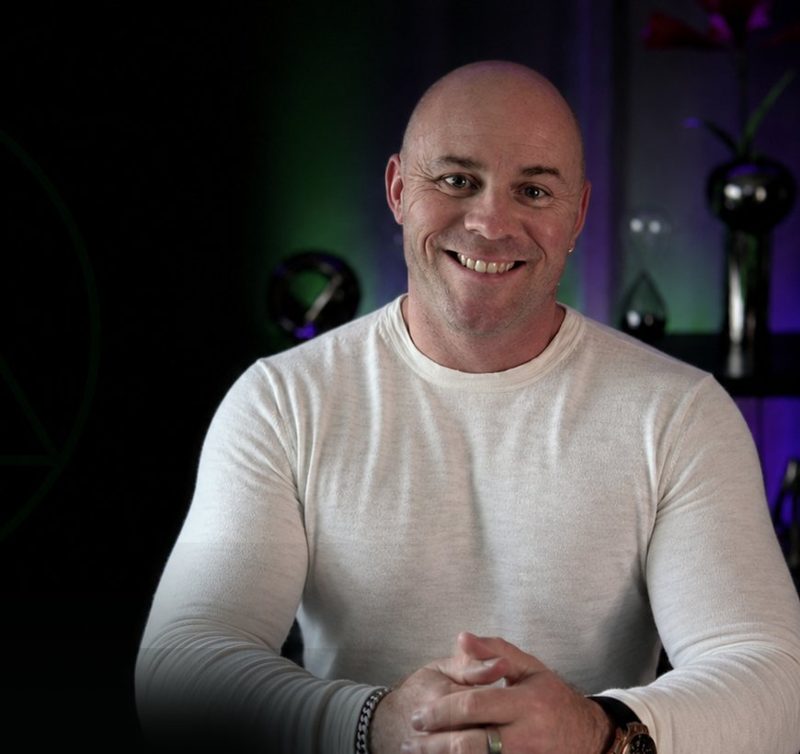
If you’ve tried to talk yourself out of this fear and it hasn’t worked, that isn’t a lack of willpower. A phobia is an alarm your mind learned, and logic alone rarely switches it off.
When a fear is less common, it can be harder to explain, so you may not have told many people about it. I work one to one over Zoom with people whose fears are holding them back, including rarer ones like this, and every plan starts with understanding what your fear is really about.
I’ve spent 17 years in clinical practice and helped more than 1,000 people with phobias. I hold a Postgraduate Certificate and a Postgraduate Diploma in Clinical Hypnotherapy, both with Distinction, and journalists and clients call me the Phobia Guru.
Common questions
Is it normal for children to refuse new foods?
Wariness of new foods is a common stage in childhood and often eases as children grow. If a child, or an adult, is eating much less or losing weight, speak to a GP.
How can you help?
I use hypnotherapy and NLP to change how your mind responds to the thing you fear, so the old alarm stops going off. Sessions are one to one over Zoom, and you get a recording of the hypnosis to listen to afterwards.
How many sessions will I need?
Many clients notice a real difference after one 90 minute session. If the fear goes back a long way, three sessions gives us room to make the change stick.
Further reading: Medical News Today: Fear of change · NHS: Phobias · Mind: About phobias
Ready to start?
A short call is the simplest next step. We’ll talk about your fear, what you’d like to feel instead, and whether I’m the right person to help.
- Take the free test at the top of this page to see how strong your fear is.
- Book a 30 minute call. Use code PHOBIA at checkout for half price: £24.50 instead of £49 ($29.50 outside the UK).
- Start your sessions over Zoom from wherever you live, or face to face in Hertfordshire.
See all session options and prices