
Fear of nuclear weapons (nucleomituphobia)
Nucleomituphobia is a fear of nuclear weapons. It often rises at times of international tension, when news coverage keeps the subject in view. Some people find it hard to watch the news at all, while others feel they have to check it constantly.
Many people find that with the right help, they can follow world news without hours of dread and get on with their day.
Use code PHOBIA at checkout for half price: £24.50 instead of £49. Outside the UK? $29.50.
About this phobia
The term is rare and appears mainly on lists of phobias rather than in clinical use. Worry about nuclear war is more often discussed in general terms, as part of wider anxiety about world events. It sits close to radiophobia, a fear of radiation.
How it shows up
Many people feel uneasy when the news turns to nuclear threats. With nucleomituphobia, that unease becomes a constant background dread that flares up with every headline and can be hard to switch off. Some people feel they must keep checking for updates, while others cannot bear to hear about it at all and leave the room when the news comes on. The fear can feel especially heavy because it is about something huge, distant and out of personal control.
Common triggers
- News of international tension
- Talk of nuclear tests or drills
- Films and documentaries about nuclear war
- Sirens or loud alarms
- Social media posts predicting war
- Anniversaries of historic nuclear events
Where it shows up
- Late at night
- Watching or reading the news
- Classrooms during history lessons
- Near military bases or power stations
- Online forums and comment sections
Symptoms
In your body
- Tight chest
- Trouble sleeping
- Stomach upset
- Restlessness
In your mind
- Feeling helpless about the future
- Images of disaster playing in the mind
- Hard to plan ahead
What you might do
- Checking news constantly
- Avoiding the news entirely
- Searching for survival information
- Seeking reassurance from others
What may cause it
Little research looks at this fear by name, but worry about nuclear war has been discussed for decades as part of wider anxiety about world events. It tends to rise when tensions are in the headlines and ease when they fade, which suggests news exposure plays a large part. People who are generally anxious, or who are going through stress in other areas of life, may be more affected. Constant checking and reading about worst cases can keep the fear going long after a news story has moved on.
How it can affect your life
The fear can disturb sleep, take the joy out of ordinary days and make long-term plans feel pointless. It can also affect children when adults talk about it in front of them, passing the worry on. Some people find it harder to concentrate at work when the news is dominated by talk of conflict.
Related fears
- Fear of radiation (radiophobia)
- Fear of war (polemophobia)
- Fear of the end of the world (apocalyptic anxiety)
- Eco-anxiety
Things that can help day to day
- Set one or two fixed times a day to check the news, and keep to them
- Choose calm, factual sources over social media and rolling news
- Put your energy into what you can control, such as sleep, exercise and time with friends
- Talk with people who understand the worry rather than carrying it alone
When to get help
If the worry is affecting your sleep, mood or daily life, or you cannot stop checking the news, speak to a GP.
Explore more unusual fears in the rare phobias A to Z, or browse the common phobias.
About me
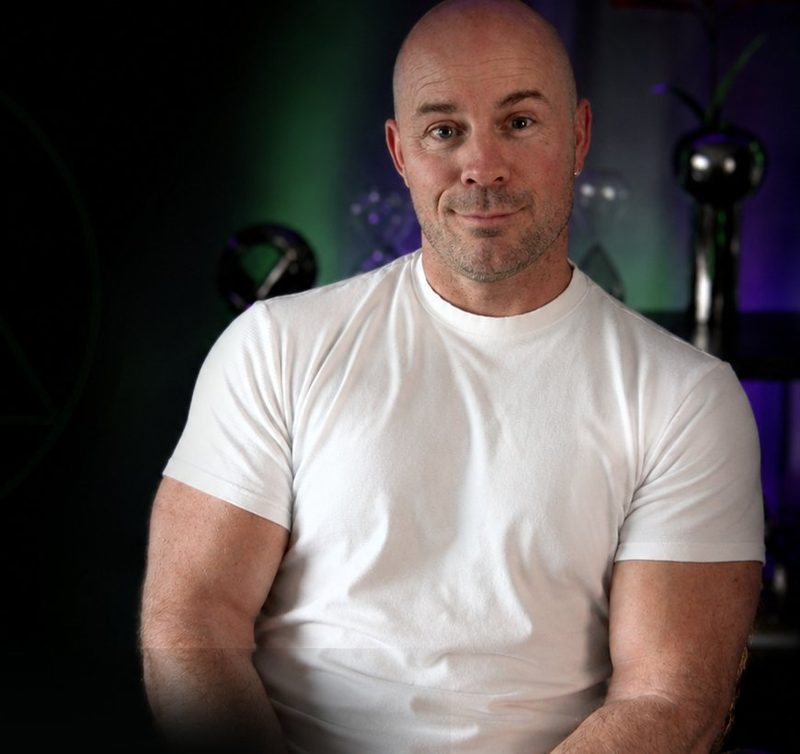
If you’ve tried to talk yourself out of this fear and it hasn’t worked, that isn’t a lack of willpower. A phobia is an alarm your mind learned, and logic alone rarely switches it off.
When a fear is less common, it can be harder to explain, so you may not have told many people about it. I work one to one over Zoom with people whose fears are holding them back, including rarer ones like this, and every plan starts with understanding what your fear is really about.
I’ve spent 17 years in clinical practice and helped more than 1,000 people with phobias. I hold a Postgraduate Certificate and a Postgraduate Diploma in Clinical Hypnotherapy, both with Distinction, and journalists and clients call me the Phobia Guru.
Common questions
How can people cope with worry about world events?
Some find it helps to limit how often they check the news and to focus on what is within their control. If the worry is constant or affects sleep, a GP is a good place to start.
How can you help?
I use hypnotherapy and NLP to change how your mind responds to the thing you fear, so the old alarm stops going off. Sessions are one to one over Zoom, and you get a recording of the hypnosis to listen to afterwards.
How many sessions will I need?
Many clients notice a real difference after one 90 minute session. If the fear goes back a long way, three sessions gives us room to make the change stick.
Further reading: Center for Health Journalism: Radiation fears · NHS: Generalised anxiety disorder · Mind: About phobias
Ready to start?
A short call is the simplest next step. We’ll talk about your fear, what you’d like to feel instead, and whether I’m the right person to help.
- Take the free test at the top of this page to see how strong your fear is.
- Book a 30 minute call. Use code PHOBIA at checkout for half price: £24.50 instead of £49 ($29.50 outside the UK).
- Start your sessions over Zoom from wherever you live, or face to face in Hertfordshire.
See all session options and prices