
Fear of nudity (gymnophobia)
En español: lee sobre este miedo en Fobias.org.
A fear of nudity can show up in changing rooms, at the doctor’s, on holiday or with a partner. It may be about seeing others, being seen yourself, or both. It can be helped.
Many people find that with the right help, changing rooms, medical checks and closeness with a partner feel more comfortable.
Use code PHOBIA at checkout for half price: £24.50 instead of £49. Outside the UK? $29.50.
Understanding this fear
Gymnophobia is a fear of nudity. For some people it is about being seen without clothes, for others it is about seeing other people undressed, and for many it is both. A closely related fear, sometimes called dishabiliophobia, centres on undressing in front of others. It goes beyond ordinary modesty or shyness, because it brings strong anxiety, and people often know the fear is out of proportion but cannot control it.
There is little research on how common it is, but it is recognised as a type of specific phobia. It is often tied up with how someone feels about their body, and it can overlap with body image worries, social anxiety or the effects of an upsetting experience. Family and cultural attitudes that treat nudity as shameful can also play a part. Many people with the fear manage everyday life well but quietly avoid certain places and situations.
Common triggers
- Undressing where others might see
- Communal showers
- Seeing other people undressed
- Being asked to undress for a medical examination
- Swimwear or revealing clothes
- Mirrors in changing areas
- Moments of closeness with a partner
- Worry about cameras or being photographed
Where it shows up
- Gym and swimming pool changing rooms
- Beaches and spas
- Doctor, nurse and hospital appointments
- School PE lessons
- Hostels and shared rooms on holiday
- Clothes shop fitting rooms
- Home, with a partner
Symptoms
In your body
- Racing heart
- Sweating
- Hot face or blushing
- Shortness of breath
- Nausea
- Muscle tension or freezing
In your mind
- Everyone will be looking at my body
- Fear of being judged or laughed at
- Feeling exposed and unsafe
- Dread before any appointment where I may need to undress
- Embarrassment at seeing others undressed
What you might do
- Avoiding gyms, pools and the beach
- Changing under a towel or in a toilet cubicle
- Wearing layers even in hot weather
- Putting off medical check-ups and screenings
- Avoiding closeness in relationships
- Dressing only in a locked room
What causes it
Gymnophobia often grows from worries about how the body looks, sometimes after teasing or bullying about appearance at school. For others it is linked to feeling unsafe or exposed after a difficult experience. Family and cultural messages that nudity is shameful or dangerous can shape the fear from an early age, and a general tendency towards anxiety makes it more likely to develop. Each time someone avoids a changing room or an appointment, the relief strengthens the belief that being seen would be unbearable, and that keeps the fear going.
How it can affect your life
This fear can keep people away from swimming, the gym and holidays they would otherwise enjoy. It can delay important health checks and screenings, which is one of its most serious knock-on effects. In relationships it can cause strain or misunderstanding if a partner does not know what is going on. It can also chip away at self-confidence and deepen feelings of shame about the body.
Things that can help day to day
- Notice harsh thoughts about your body and practise answering them as you would a friend
- Ask your GP surgery for a chaperone or for each step to be explained before an examination
- Take small steps, such as using a changing room at a quieter time of day
- Practise slow breathing before situations where you may need to undress
- At home, try wearing clothes that feel comfortable rather than hiding in layers
When to get help
It is worth getting help if the fear is stopping you having health checks, swimming, exercising or being close to a partner. Please do not let it keep you from medical appointments, and tell your GP or nurse how you feel so they can help you feel more at ease. If the fear is linked to a past upsetting experience, a GP or specialist counsellor can help alongside our work.
How I can help
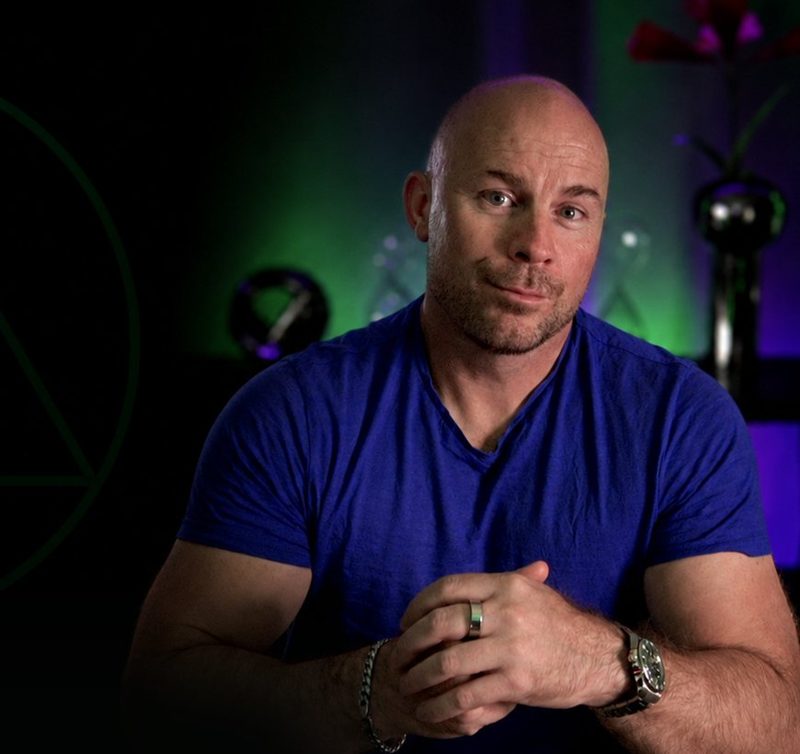
If you’ve tried to talk yourself out of this fear and it hasn’t worked, that isn’t a lack of willpower. A phobia is an alarm your mind learned, and logic alone rarely switches it off.
When I work with a fear of nudity over Zoom, we begin by talking through what the fear is really about for you, whether that is how your body looks, feeling exposed, or something that happened in the past. Using hypnotherapy and NLP, we can soften the shame and alarm linked to those feelings and help you build a kinder, calmer view of your own body. We then rehearse situations such as a changing room or a medical check-up in your mind while you stay relaxed. Many clients find they feel more comfortable and less self-conscious in everyday situations.
I’ve spent 17 years in clinical practice and helped more than 1,000 people with phobias. I hold a Postgraduate Certificate and a Postgraduate Diploma in Clinical Hypnotherapy, both with Distinction.
Common questions
Is it normal to feel shy about being naked?
Yes, most people feel some modesty, and that is fine. It becomes a phobia when the fear is intense, hard to control and stops you doing things that matter, such as health checks or exercise.
How can I cope with a medical examination if I fear nudity?
Tell the doctor or nurse in advance, ask them to explain each step and ask for a chaperone if that helps. You can also ask whether you can stay partly covered, and take your time.
Is gymnophobia linked to body image?
Often it is, as many people fear being seen because of how they feel about their body. For others it is more about feeling exposed or unsafe, so understanding which applies to you shapes the best way to help.
Is this the same as body image anxiety?
They can be linked. For some people the fear is about how their body looks, and for others it is about feeling unsafe or exposed. We talk through what is behind it for you before deciding how to work on it.
How can you help?
I use hypnotherapy and NLP to change how your mind responds to the thing you fear, so the old alarm stops going off. Sessions are one to one over Zoom, and you get a recording of the hypnosis to listen to afterwards.
How many sessions will I need?
Many clients notice a real difference after one 90 minute session. If the fear goes back a long way, three sessions gives us room to make the change stick.
Further reading: Osmosis: Gymnophobia · Wikipedia: Gymnophobia · NHS: Phobias
Ready to start?
A short call is the simplest next step. We’ll talk about your fear, what you’d like to feel instead, and whether I’m the right person to help.
- Take the free test at the top of this page to see how strong your fear is.
- Book a 30 minute call. Use code PHOBIA at checkout for half price: £24.50 instead of £49 ($29.50 outside the UK).
- Start your sessions over Zoom from wherever you live, or face to face in Hertfordshire.
See all session options and prices