
Fear of numbers (arithmophobia)
En español: lee sobre este miedo en Fobias.org.
A fear of numbers can show up in sums, bills, phone numbers, tests and even looking at a clock. It is often tied to bad experiences of maths at school, and it can be helped.
Many people find that with the right help, bills, sums and tests become tasks they can sit down and get on with.
Use code PHOBIA at checkout for half price: £24.50 instead of £49. Outside the UK? $29.50.
Understanding this fear
Arithmophobia is a fear of numbers and of doing sums, which often overlaps with what researchers call maths anxiety. It is not the same as finding maths hard. With this fear, seeing a page of figures, being asked to work out a bill or having to give a number on the spot brings a rush of tension, a blank mind and a strong urge to get away. It can happen to people who are very capable in other areas.
Maths anxiety has been studied for decades and is well recognised in schools and research. A large Cambridge study found that most children with high maths anxiety were normal to high achievers on tests, which shows the fear is not simply about ability. It is often linked to test anxiety, perfectionism and difficult school experiences, and it can carry on into adult life with money, work and everyday sums.
If it is mainly sums, tests or doing maths that you dread, read the page on maths anxiety.
Common triggers
- Being asked to do mental arithmetic out loud
- Timed tests or exams
- Splitting a restaurant bill
- Budgets, bank statements and tax forms
- Spreadsheets and reports at work
- Helping children with maths homework
- Reading timetables or calculating times
- Remembering PINs or phone numbers under pressure
Where it shows up
- Classrooms and exam halls
- Offices, especially meetings about figures
- Shops and tills when counting change
- Restaurants when the bill arrives
- The kitchen table at homework time
- Banks and when opening post about money
Symptoms
In your body
- Mind going blank when numbers appear
- Racing heart and hot face
- Sweaty palms
- Butterflies or a sick feeling in the stomach
- Tense shoulders and shallow breathing
- Fidgeting or wanting to leave the room
In your mind
- I am just not a numbers person
- Everyone will see how stupid I am
- Remembering being shown up at school
- Panic that the answer must come instantly
- Dread when post or bills arrive
What you might do
- Avoiding jobs, courses or tasks with numbers
- Leaving bills and bank letters unopened
- Handing all money matters to a partner
- Guessing or agreeing rather than working it out
- Joking it away to hide the fear
What causes it
For many people the fear goes back to school, such as being put on the spot, embarrassed in front of the class, or taught that there was only one right way and one right answer. Timed, high pressure tests seem to cause the most anxiety. Parents and teachers who were anxious about maths themselves can pass the feeling on without meaning to. Perfectionism and the stereotype that some people simply cannot do maths add to it. Avoiding numbers means less practice and less confidence, and anxious thoughts also take up the working memory you need for sums, so performance drops and seems to prove the fear right.
How it can affect your life
This fear can shape careers, steering people away from jobs, promotions or training that involve figures. It often affects money, with bills left unopened, budgets avoided and partners left to handle everything, which can cause stress and arguments. Parents may dread homework time and worry about passing the fear on. It can also chip away at confidence more widely, leaving people feeling less clever than they are.
Things that can help day to day
- Take the time pressure off and give yourself as long as you need
- Practise slow breathing for a few minutes before tackling figures
- Start with small, real life sums, such as checking one receipt a day
- Use a calculator or notes without guilt, as most people do
- Notice the thought I am bad at maths and swap it for I am learning this
When to get help
If the fear is affecting your job, your finances or your confidence, or you are avoiding important post and money matters, it is worth getting help. If anxiety is spilling into the rest of your life, your GP is a good first step and can talk through talking therapy. Children who are very anxious about maths may also benefit from a chat with their teacher.
How I can help
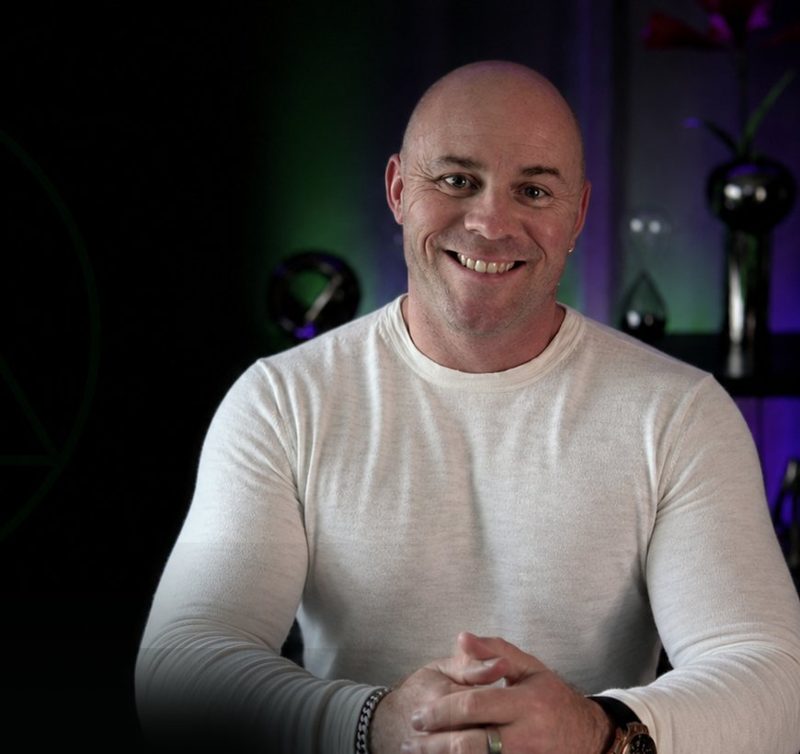
If you’ve tried to talk yourself out of this fear and it hasn’t worked, that isn’t a lack of willpower. A phobia is an alarm your mind learned, and logic alone rarely switches it off.
When I work with a fear of numbers over Zoom, I usually find there is a specific memory behind it, often a moment at school when you felt shown up or stupid. With hypnotherapy and NLP, we can change how that moment feels, so it no longer floods your mind every time you see a sum. I then help you rehearse looking at figures, working out a bill or helping with homework while staying calm and clear headed. Many clients find their thinking stays far clearer once the panic is not taking up all the space.
I’ve spent 17 years in clinical practice and helped more than 1,000 people with phobias. I hold a Postgraduate Certificate and a Postgraduate Diploma in Clinical Hypnotherapy, both with Distinction.
Common questions
Is arithmophobia the same as dyscalculia?
No. Dyscalculia is a learning difficulty that affects how a person understands numbers. Arithmophobia is fear, and it can affect people with good number skills. Some people have both, and a teacher or specialist can help assess dyscalculia.
Why does my mind go blank when I see numbers?
Anxious thoughts take up working memory, the mental space you use to hold numbers while you work with them. When fear fills that space, there is less left for the sum. Calming the fear often frees up thinking.
Can I stop passing my maths fear on to my children?
Yes. Try to stay neutral or positive about maths in front of them, praise effort rather than speed, and avoid saying you were never good at it. Working on your own fear helps too.
Is this the same as being bad at maths?
No. Plenty of people find maths hard without being afraid of it. With arithmophobia, numbers bring up real anxiety, and that often has little to do with how clever you are.
How can you help?
I use hypnotherapy and NLP to change how your mind responds to the thing you fear, so the old alarm stops going off. Sessions are one to one over Zoom, and you get a recording of the hypnosis to listen to afterwards.
How many sessions will I need?
Many clients notice a real difference after one 90 minute session. If the fear goes back a long way, three sessions gives us room to make the change stick.
Further reading: University of Cambridge: Origins and nature of maths anxiety · NHS: Phobias · Mind: About phobias
Ready to start?
A short call is the simplest next step. We’ll talk about your fear, what you’d like to feel instead, and whether I’m the right person to help.
- Take the free test at the top of this page to see how strong your fear is.
- Book a 30 minute call. Use code PHOBIA at checkout for half price: £24.50 instead of £49 ($29.50 outside the UK).
- Start your sessions over Zoom from wherever you live, or face to face in Hertfordshire.
See all session options and prices