
Fear of open high places (aeroacrophobia)
Aeroacrophobia is a fear of being up high in open spaces, such as on a cliff top, a viewing platform or an open sided bridge. The open air and the sense of nothing around can feel more alarming than the height alone. Some people avoid hill walks, glass lifts or rooftop terraces because of it.
Many people find that with the right help, a cliff path or a viewing platform becomes a place to enjoy the view.
Use code PHOBIA at checkout for half price: £24.50 instead of £49. Outside the UK? $29.50.
About this phobia
The name joins aero, relating to air, with acro, from the Greek akron, meaning peak or summit. It is rarely used outside lists of phobias. It is closely related to acrophobia, the much better documented fear of heights, and can overlap with fear of flying.
How it shows up
People with aeroacrophobia often say the problem is not being high up as such, but the feeling of openness all around. Standing behind a solid wall at the top of a tall building may be fine, while a windy headland or an open walkway can bring a strong urge to drop low or turn back. Some describe a strange pull towards the edge, which is unsettling but common and does not mean they want to fall. Ordinary caution near a drop is sensible, while this fear tends to appear even where the area is safe and fenced.
Common triggers
- Cliff paths and exposed ridges
- Glass floors or see through walkways
- Open sided bridges and footbridges
- Balconies with low railings
- Strong wind on high ground
- Videos filmed from tall structures
Where it shows up
- Coastal walks and hill tops
- Viewing platforms and observation decks
- Rooftop bars and terraces
- Upper tiers of stadiums and theatres
- Ski lifts and cable cars
Symptoms
In your body
- Weak or wobbly legs
- Dizziness or a spinning feeling
- Sweaty palms
- Fast heartbeat and shallow breathing
- An urge to crouch or grip something
In your mind
- A strong sense of being exposed
- Fear of losing balance or control
- Unwanted images of falling
- Difficulty thinking clearly
What you might do
- Keeping close to walls or the inside of paths
- Avoiding walks with views or drops
- Refusing seats near windows or edges
- Leaving quickly once the fear starts
What may cause it
There is almost no research on aeroacrophobia as a named fear, so it is usually understood as a form of acrophobia, the fear of heights. Some wariness of heights is natural and protective. One idea is that open spaces give the eyes few nearby points to fix on, which can make balance feel less steady and set off the body’s alarm. A frightening moment, such as a slip on a hill or a strong gust on a bridge, can also start the fear, and avoiding high open places then stops the alarm from settling.
How it can affect your life
This fear can limit holidays, walking trips and days out, especially in areas known for coastal or mountain scenery. It may also affect work for anyone whose job involves upper floors, ladders or frequent travel.
Related fears
- Fear of heights (acrophobia)
- Fear of flying (aerophobia)
- Fear of open spaces (agoraphobia)
Things that can help day to day
- Choose routes with railings or solid barriers when walking
- Slow your breathing with a longer out breath when you feel dizzy
- Fix your eyes on something close and steady, such as a rail or wall
- Plan days out with a friend who knows about the fear
When to get help
If dizziness or balance problems happen at ground level too, see a GP to rule out a physical cause. If the fear is stopping you travelling, working or enjoying the outdoors, a therapist trained in phobias can help you work on it safely and gradually.
Explore more unusual fears in the rare phobias A to Z, or browse the common phobias.
About me
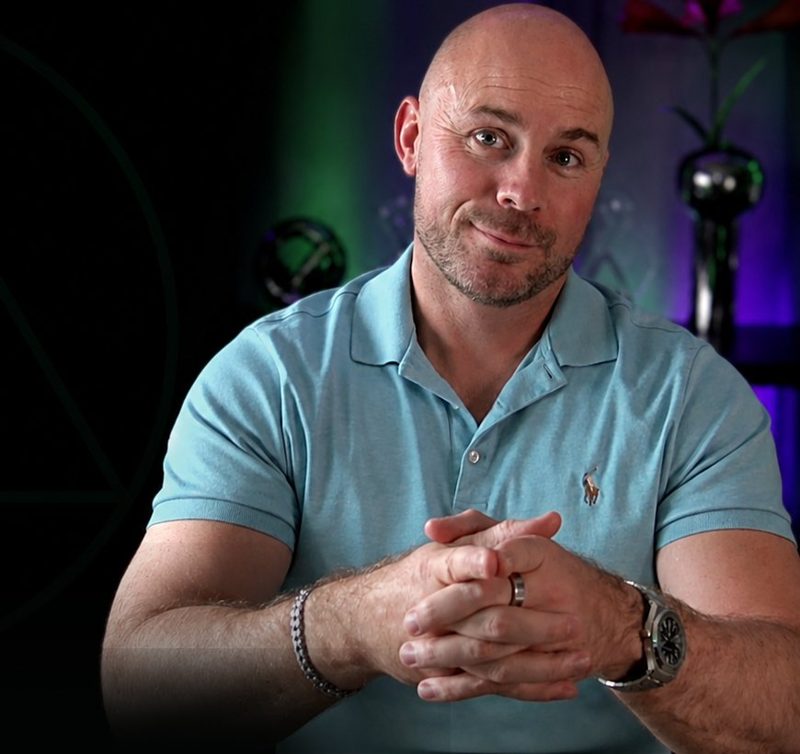
If you’ve tried to talk yourself out of this fear and it hasn’t worked, that isn’t a lack of willpower. A phobia is an alarm your mind learned, and logic alone rarely switches it off.
When a fear is less common, it can be harder to explain, so you may not have told many people about it. I work one to one over Zoom with people whose fears are holding them back, including rarer ones like this, and every plan starts with understanding what your fear is really about.
I’ve spent 17 years in clinical practice and helped more than 1,000 people with phobias. I hold a Postgraduate Certificate and a Postgraduate Diploma in Clinical Hypnotherapy, both with Distinction, and journalists and clients call me the Phobia Guru.
Common questions
How is aeroacrophobia different from a fear of heights?
It is really a type of fear of heights, focused on open, exposed places rather than height in general. Some people are fine high up inside a building but struggle on an open ledge or balcony. The term itself is rarely used, so most help is found under fear of heights.
How can you help?
I use hypnotherapy and NLP to change how your mind responds to the thing you fear, so the old alarm stops going off. Sessions are one to one over Zoom, and you get a recording of the hypnosis to listen to afterwards.
How many sessions will I need?
Many clients notice a real difference after one 90 minute session. If the fear goes back a long way, three sessions gives us room to make the change stick.
Further reading: Acrophobia (fear of heights), Cleveland Clinic · Acrophobia, Britannica
Ready to start?
A short call is the simplest next step. We’ll talk about your fear, what you’d like to feel instead, and whether I’m the right person to help.
- Take the free test at the top of this page to see how strong your fear is.
- Book a 30 minute call. Use code PHOBIA at checkout for half price: £24.50 instead of £49 ($29.50 outside the UK).
- Start your sessions over Zoom from wherever you live, or face to face in Hertfordshire.
See all session options and prices