
Fear of opinions (allodoxaphobia)
Allodoxaphobia is a fear of opinions, most often the opinions of other people. It can make someone hold back their views in meetings, avoid reading comments online, or worry for days about what a friend really thought. Being asked directly what you think can feel especially uncomfortable.
Many people find that with the right help, they can share their views in a meeting and read the comments without the dread.
Use code PHOBIA at checkout for half price: £24.50 instead of £49. Outside the UK? $29.50.
About this phobia
The word comes from the Greek allos, meaning other, and doxa, meaning opinion. It is rarely used in clinical settings and has little evidence behind it as a separate condition. The experience it describes overlaps strongly with social anxiety and fear of judgement.
How it shows up
Allodoxaphobia tends to show up as an over awareness of what other people might be thinking. Someone may rehearse conversations, edit messages many times or stay quiet rather than risk a disagreement. Hearing a view, even a mild one, can feel like a verdict on them as a person. This differs from caring about feedback, which most people do, because the worry is strong enough to change how someone speaks, acts and lives.
Common triggers
- Being asked what you think in a group
- Reviews, feedback or appraisals
- Comments on social media posts
- Disagreements at home or work
- Heated debates on the news or online
- Waiting for a reply to a message
- Group chats where people react to what you post
Where it shows up
- Meetings and team discussions
- Classrooms and seminars
- Family gatherings
- Online forums and social media
- Performance reviews
- Job interviews
Symptoms
In your body
- Blushing or feeling hot
- Racing heart when asked a question
- Dry mouth
- Shaky voice
In your mind
- Overthinking what others meant
- Fear of saying the wrong thing
- Replaying conversations afterwards
- Assuming others think badly of you
What you might do
- Agreeing just to avoid conflict
- Not reading comments or reviews
- Staying silent in discussions
- Seeking reassurance after sharing a view
What may cause it
Allodoxaphobia is not a recognised diagnosis and has little research behind it, but the experience closely matches social anxiety and fear of judgement. Being harshly criticised, mocked or ignored in the past can make other people’s opinions feel risky. Some people are naturally more tuned in to social cues, which can make them quicker to read disapproval where none is meant. Avoiding opinions brings short relief but stops the mind learning that most views are not personal attacks.
How it can affect your life
This fear can make work, study and friendships harder, as people may hold back ideas or avoid speaking up. It can also be tiring, with a lot of energy spent guessing what others think. Some people end up feeling unseen, because their own views are so rarely heard.
Related fears
- Fear of judgement (social anxiety)
- Fear of criticism (enissophobia)
- Fear of public speaking (glossophobia)
Things that can help day to day
- Remind yourself that an opinion is one person’s view, not a fact about you
- Practise sharing small views in low stakes settings first
- Limit time spent reading comments online
- Write down what you fear people think, then list other possible views
When to get help
If fear of other people’s opinions is affecting work, relationships or mood, speak to a GP about talking therapy. If it links to past bullying or mistreatment, a GP or specialist counsellor can help.
Explore more unusual fears in the rare phobias A to Z, or browse the common phobias.
About me
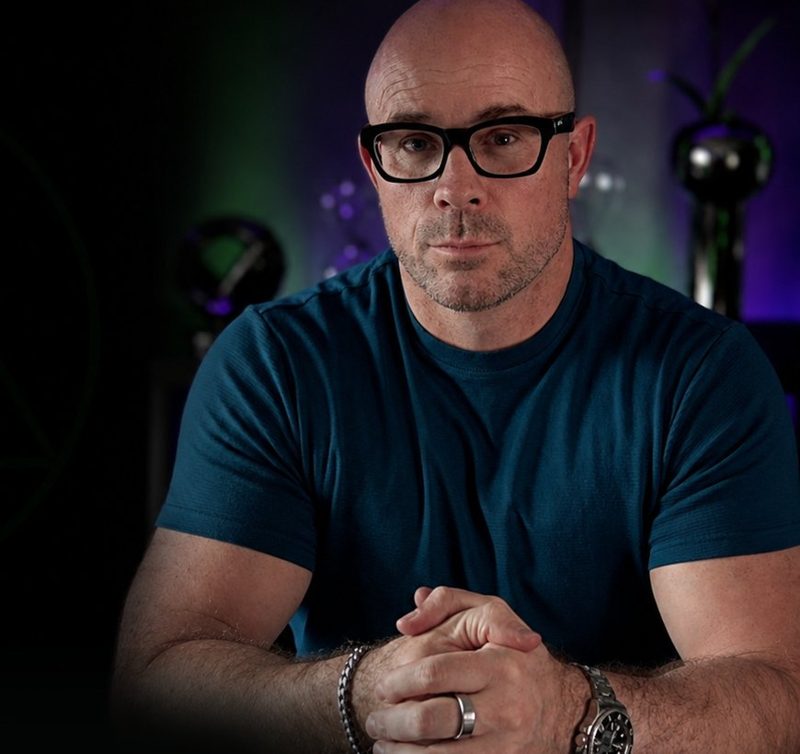
If you’ve tried to talk yourself out of this fear and it hasn’t worked, that isn’t a lack of willpower. A phobia is an alarm your mind learned, and logic alone rarely switches it off.
When a fear is less common, it can be harder to explain, so you may not have told many people about it. I work one to one over Zoom with people whose fears are holding them back, including rarer ones like this, and every plan starts with understanding what your fear is really about.
I’ve spent 17 years in clinical practice and helped more than 1,000 people with phobias. I hold a Postgraduate Certificate and a Postgraduate Diploma in Clinical Hypnotherapy, both with Distinction, and journalists and clients call me the Phobia Guru.
Common questions
Is allodoxaphobia the same as social anxiety?
It is not a formal diagnosis, but it describes something very similar to one part of social anxiety: a strong worry about being judged. Many people relate to it at times. When it starts to shape what you say and do every day, support can help.
How can you help?
I use hypnotherapy and NLP to change how your mind responds to the thing you fear, so the old alarm stops going off. Sessions are one to one over Zoom, and you get a recording of the hypnosis to listen to afterwards.
How many sessions will I need?
Many clients notice a real difference after one 90 minute session. If the fear goes back a long way, three sessions gives us room to make the change stick.
Further reading: Social anxiety, NHS
Ready to start?
A short call is the simplest next step. We’ll talk about your fear, what you’d like to feel instead, and whether I’m the right person to help.
- Take the free test at the top of this page to see how strong your fear is.
- Book a 30 minute call. Use code PHOBIA at checkout for half price: £24.50 instead of £49 ($29.50 outside the UK).
- Start your sessions over Zoom from wherever you live, or face to face in Hertfordshire.
See all session options and prices