
Fear of otters (lutraphobia)
Lutraphobia is a fear of otters. For most people otters seem playful and harmless, which can make this fear feel hard to explain, but it might show up as avoiding riverside walks, wildlife parks or nature programmes.
Many people find that with the right help, an otter at a wildlife park or on a riverbank becomes something they can watch calmly.
Use code PHOBIA at checkout for half price: £24.50 instead of £49. Outside the UK? $29.50.
About this phobia
The name links to Lutra, the Latin word for otter, still used in the scientific name of the Eurasian otter. There is little clinical evidence behind the term and it appears mainly on lists of phobias. It fits within the broader fear of animals, known as zoophobia.
How it shows up
Because otters are usually seen as charming, a fear of them can feel isolating. For someone with lutraphobia, the quick, darting movement, sharp teeth or sudden splash of an otter can bring on a rush of alarm. Some react to videos or photos, others only to the thought of meeting one near water. The fear differs from sensible caution around wild animals because it shows up even when the otter is behind glass or on a screen.
Common triggers
- Sudden movement in rivers or streams
- Close-up photos showing teeth
- Otters squeaking or calling
- Viral animal videos
- Riverbank signs about wildlife
- Wet, sleek fur
- A splash on a quiet riverbank
Where it shows up
- Riverside and canal walks
- Wildlife parks and zoos
- Aquariums
- Nature programmes
- Coastal paths in Scotland or Wales
- Boat trips on rivers or lochs
Symptoms
In your body
- Jumpy, startled feeling
- Racing heart
- Shaky hands
- Tense shoulders
- Feeling sick
In your mind
- Fear of being bitten
- Worry an otter will appear without warning
- Feeling silly about the fear
- Picturing an otter coming close
What you might do
- Avoiding riverside routes
- Skipping animal programmes or videos
- Leaving zoos or parks early
- Scanning the water while out walking
What may cause it
There is no clinical research on lutraphobia, but animal fears in general are among the most common specific phobias. They can begin with a startling encounter, a story heard as a child, or a link to a fear of water. Fast, unpredictable movement is often what animal fears latch onto. Avoiding otters, even on screen, keeps the fear from fading.
How it can affect your life
The fear may limit walks along rivers and canals, family trips to wildlife parks, or simply watching nature shows. Others may not take it seriously, which can make it harder to talk about. Holidays to places known for otters, such as parts of Scotland, may be ruled out altogether.
Related fears
- Fear of animals (zoophobia)
- Fear of water (aquaphobia)
- Fear of rats and mice (musophobia)
Things that can help day to day
- Look at drawings or cartoons of otters first, then photos
- Watch short clips with the sound off, then on
- Learn about otter behaviour from a trusted wildlife source
- Watch wildlife only from a distance and never try to get close
When to get help
If the fear is keeping you from outdoor walks or family days out, a therapist who works with phobias can help. Animal fears often ease with gradual, guided steps.
Explore more unusual fears in the rare phobias A to Z, or browse the common phobias.
About me
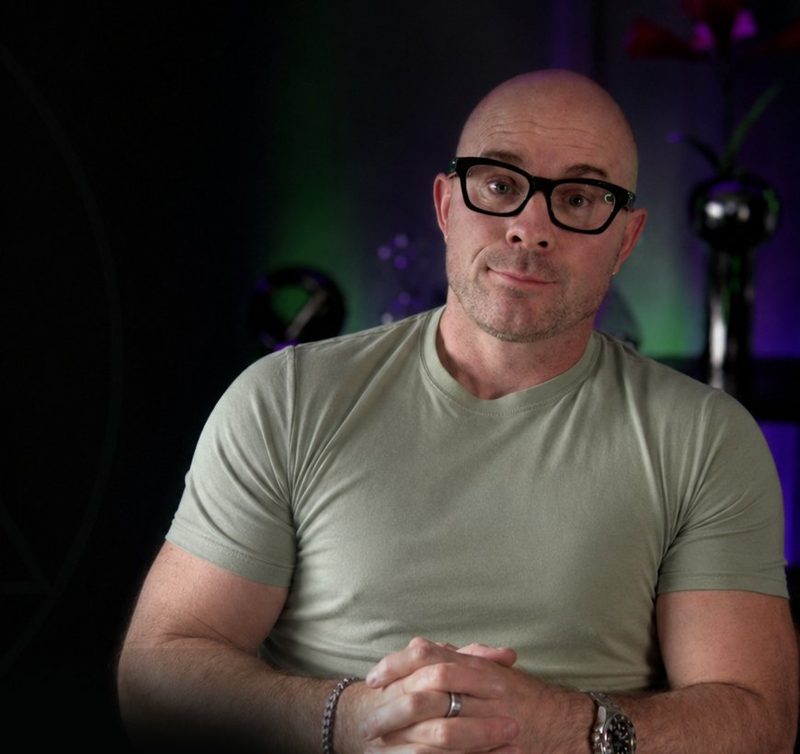
If you’ve tried to talk yourself out of this fear and it hasn’t worked, that isn’t a lack of willpower. A phobia is an alarm your mind learned, and logic alone rarely switches it off.
When a fear is less common, it can be harder to explain, so you may not have told many people about it. I work one to one over Zoom with people whose fears are holding them back, including rarer ones like this, and every plan starts with understanding what your fear is really about.
I’ve spent 17 years in clinical practice and helped more than 1,000 people with phobias. I hold a Postgraduate Certificate and a Postgraduate Diploma in Clinical Hypnotherapy, both with Distinction, and journalists and clients call me the Phobia Guru.
Common questions
Are otters dangerous?
Wild otters in the UK are shy and usually keep well away from people. Like any wild animal they can bite if cornered, so watching from a distance makes sense. A phobia, though, tends to go well beyond the real level of risk.
How can you help?
I use hypnotherapy and NLP to change how your mind responds to the thing you fear, so the old alarm stops going off. Sessions are one to one over Zoom, and you get a recording of the hypnosis to listen to afterwards.
How many sessions will I need?
Many clients notice a real difference after one 90 minute session. If the fear goes back a long way, three sessions gives us room to make the change stick.
Further reading: Cleveland Clinic: Zoophobia · Cleveland Clinic: Aquaphobia · NHS: Phobias
Ready to start?
A short call is the simplest next step. We’ll talk about your fear, what you’d like to feel instead, and whether I’m the right person to help.
- Take the free test at the top of this page to see how strong your fear is.
- Book a 30 minute call. Use code PHOBIA at checkout for half price: £24.50 instead of £49 ($29.50 outside the UK).
- Start your sessions over Zoom from wherever you live, or face to face in Hertfordshire.
See all session options and prices