
Fear of outer space (kosmikophobia)
Kosmikophobia is a fear of cosmic phenomena and outer space, such as black holes, solar flares, asteroids or the sheer size of the universe. It might show up as avoiding space documentaries, feeling uneasy under a starry sky, or lying awake after a news story about a passing asteroid.
Many people find that with the right help, black holes and asteroids become fascinating rather than frightening.
Use code PHOBIA at checkout for half price: £24.50 instead of £49. Outside the UK? $29.50.
About this phobia
The name links to the Greek kosmos, meaning the ordered universe. It is a rare term found mostly on lists of phobias, not a clinical diagnosis. It sits close to astrophobia, a fear of space or the night sky, and to a wider fear of the unknown.
How it shows up
Gazing at the night sky makes many people feel small, often in a pleasant way. For someone with kosmikophobia, that same sense of scale can tip into dread, with thoughts about what might be heading towards Earth or how little control anyone has over it. The fear is not about flying or being an astronaut, but about events far beyond our reach. Some find it rises at night or after a headline, then settles in daylight.
Common triggers
- News about asteroids passing close to Earth
- Images of black holes or vast galaxies
- Talk of solar storms
- Eclipses
- Disaster films set in space
- Thinking about how big the universe is
- Talk of meteor showers
Where it shows up
- Outdoors on clear, dark nights
- Planetariums and science museums
- Lying in bed before sleep
- Scrolling news or social media
- Science lessons
- Camping trips under open skies
Symptoms
In your body
- Tight chest or shallow breath
- Racing heart
- Feeling dizzy or detached
- Trouble settling to sleep
- Cold or clammy hands
In your mind
- Sense of being tiny and helpless
- Looping thoughts about the end of the world
- Fear of the unknown
- Imagining sudden disaster from above
What you might do
- Avoiding space news and documentaries
- Keeping curtains closed at night
- Checking space agency updates for reassurance
- Changing the subject when space comes up
What may cause it
There is no clinical research on kosmikophobia itself, though writers have long discussed the unease people feel at the size of the cosmos. The fear often grows from a mix of uncertainty, lack of control and dramatic headlines that make rare events sound close at hand. People who tend towards general anxiety may be more prone to it. Reading more and more in the hope of feeling safe often leads to more frightening material.
How it can affect your life
It can get in the way of sleep, enjoying evenings outdoors, or helping children with space topics at school. Some feel cut off from a subject that others find exciting. Young people with the fear may dread science lessons, while adults might avoid trips to dark sky areas.
Related fears
- Fear of the night sky or stars (astrophobia)
- Fear of meteors (meteorophobia)
- Fear of the moon (selenophobia)
- Fear of the unknown
Things that can help day to day
- Get space news from calm, factual sources rather than dramatic headlines
- Set a time limit on reading about space
- Ground yourself by naming things you can see and hear nearby
- Enjoy the sky with company, starting with short spells
When to get help
If worry about space is keeping you awake or taking up much of your day, a therapist can help. Fears built on uncertainty often ease as you learn to sit with not knowing.
Explore more unusual fears in the rare phobias A to Z, or browse the common phobias.
About me
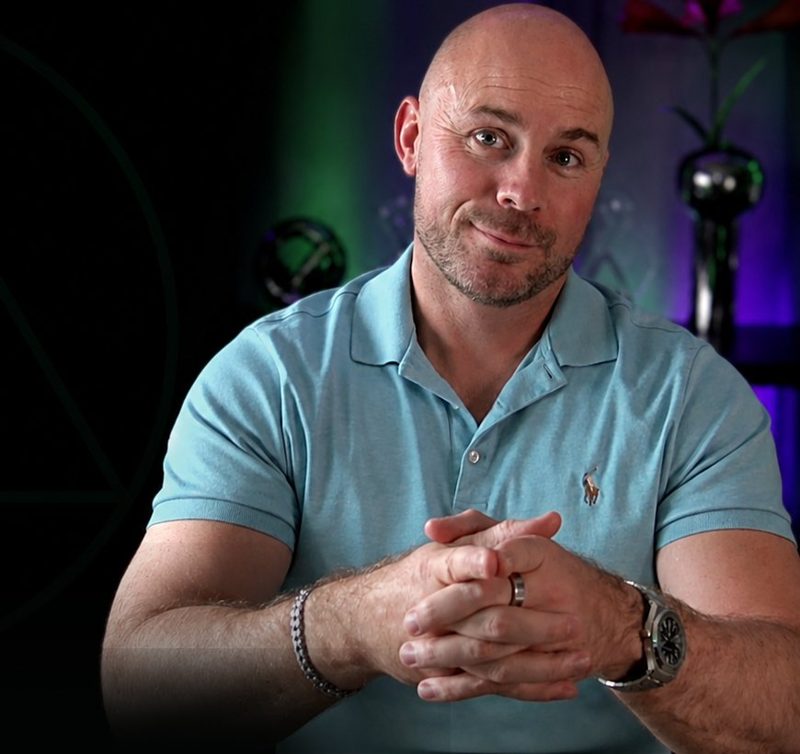
If you’ve tried to talk yourself out of this fear and it hasn’t worked, that isn’t a lack of willpower. A phobia is an alarm your mind learned, and logic alone rarely switches it off.
When a fear is less common, it can be harder to explain, so you may not have told many people about it. I work one to one over Zoom with people whose fears are holding them back, including rarer ones like this, and every plan starts with understanding what your fear is really about.
I’ve spent 17 years in clinical practice and helped more than 1,000 people with phobias. I hold a Postgraduate Certificate and a Postgraduate Diploma in Clinical Hypnotherapy, both with Distinction, and journalists and clients call me the Phobia Guru.
Common questions
Why does thinking about space make some people anxious?
Space is huge, mostly unknown and completely out of anyone’s control, a mix the mind can find hard to sit with. For most people the feeling passes, but for some it lingers and starts to affect sleep or everyday thoughts.
How can you help?
I use hypnotherapy and NLP to change how your mind responds to the thing you fear, so the old alarm stops going off. Sessions are one to one over Zoom, and you get a recording of the hypnosis to listen to afterwards.
How many sessions will I need?
Many clients notice a real difference after one 90 minute session. If the fear goes back a long way, three sessions gives us room to make the change stick.
Further reading: Sciency Words: Kosmikophobia (Planet Pailly) · Cosmophobia (Discover Magazine)
Ready to start?
A short call is the simplest next step. We’ll talk about your fear, what you’d like to feel instead, and whether I’m the right person to help.
- Take the free test at the top of this page to see how strong your fear is.
- Book a 30 minute call. Use code PHOBIA at checkout for half price: £24.50 instead of £49 ($29.50 outside the UK).
- Start your sessions over Zoom from wherever you live, or face to face in Hertfordshire.
See all session options and prices