
Fear of overworking or pain (ponophobia)
Depending on which list you read, ponophobia is either a fear of overworking or a fear of pain. In the first sense it can mean dreading exhaustion and avoiding hard or tiring tasks. In the second it centres on pain itself, which may lead to avoiding movement, so any ongoing pain or tiredness is worth checking with a GP.
Many people find that with the right help, they can work hard when it matters and rest without guilt.
Use code PHOBIA at checkout for half price: £24.50 instead of £49. Outside the UK? $29.50.
About this phobia
The name comes from the Greek ponos, which can mean toil or pain, and that explains the two meanings. It is rarely reported and appears mostly on lists of phobias. The pain side links to algophobia, the fear of pain, while the work side relates to worries about burnout.
How it shows up
Ponophobia covers two different fears that share one Greek root. In the work sense, a person may dread being worn out, turn down extra hours and put off hard tasks until the last minute. In the pain sense, someone might avoid exercise, stretching or certain movements in case they hurt. Both go well beyond normal caution or wanting a balanced life, with fear that shapes choices more than the real risk does.
Common triggers
- Heavy workloads or deadlines
- Long shifts
- Exercise or physical effort
- Body aches
- Medical or dental treatment
- Seeing others burnt out or in pain
- Starting a new job
Where it shows up
- The workplace
- Gyms and sports
- Dentists and clinics
- Household chores
- Busy seasons such as Christmas
- Physiotherapy sessions
Symptoms
In your body
- Tension
- Tiredness
- Racing heart
- Holding the body stiffly
- Holding the breath during effort
In your mind
- Expecting exhaustion or pain
- Worry about being unable to cope
- Fixing on body signals
- Guilt about avoiding work or exercise
What you might do
- Avoiding effort or movement
- Turning down tasks
- Resting more than needed
- Delaying medical or dental care
What may cause it
This term is rarely used and has not been studied in its own right. On the pain side, fear of pain and fear of movement are well recognised in people living with long-term pain, where avoiding activity can leave the body weaker and the pain feeling worse. On the work side, a past burnout, or watching someone else become ill through stress, can play a part. In both cases, avoidance tends to keep the fear going, because the feared outcome is never tested.
How it can affect your life
Avoiding effort or pain can affect work, fitness and health care, including dental and medical check-ups. It can leave people feeling stuck, unfit and less confident in their own bodies and abilities. Others may wrongly see the fear as laziness, which adds hurt and frustration.
Related fears
- Fear of pain (algophobia)
- Fear of work (ergophobia)
- Fear of doctors (iatrophobia)
- Fear of movement (kinesiophobia)
Things that can help day to day
- Break tasks into small steps with planned rests between them
- Spread effort across the week rather than saving it all for one day
- Ask your GP about safe ways to stay active
- Notice worst-case predictions and compare them with what actually happens
When to get help
See your GP about any ongoing pain or tiredness, as there may be a medical cause. If fear of pain or effort is limiting daily life, ask about support such as physiotherapy or talking therapy.
Explore more unusual fears in the rare phobias A to Z, or browse the common phobias.
About me
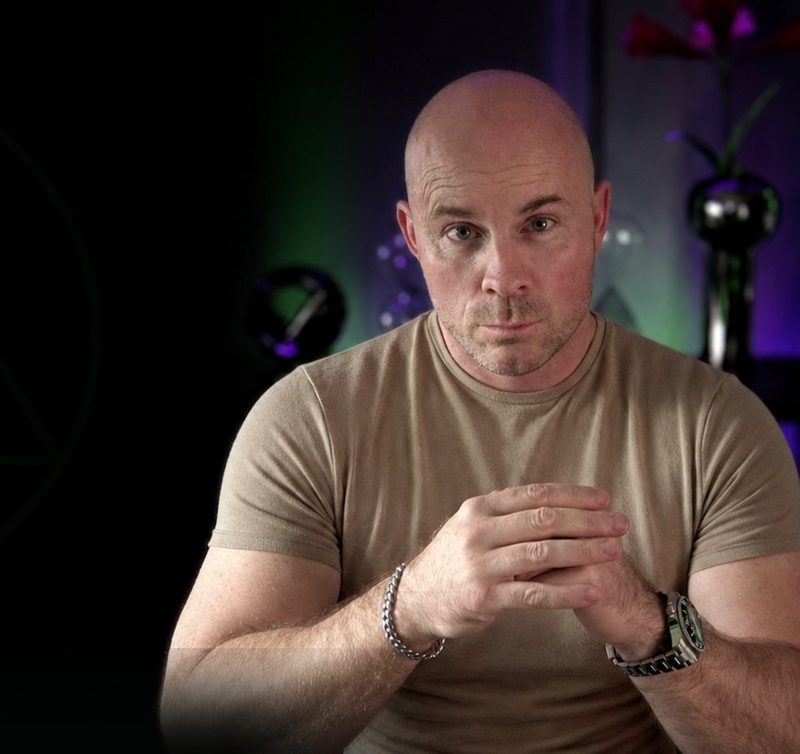
If you’ve tried to talk yourself out of this fear and it hasn’t worked, that isn’t a lack of willpower. A phobia is an alarm your mind learned, and logic alone rarely switches it off.
When a fear is less common, it can be harder to explain, so you may not have told many people about it. I work one to one over Zoom with people whose fears are holding them back, including rarer ones like this, and every plan starts with understanding what your fear is really about.
I’ve spent 17 years in clinical practice and helped more than 1,000 people with phobias. I hold a Postgraduate Certificate and a Postgraduate Diploma in Clinical Hypnotherapy, both with Distinction, and journalists and clients call me the Phobia Guru.
Common questions
Why does ponophobia have two meanings?
The Greek root covers both hard work and pain, so different lists define it in different ways. Either way, the pattern is often avoidance, which can make life smaller over time. A GP can check any physical pain or fatigue, and talking therapies can help with the fear itself.
How can you help?
I use hypnotherapy and NLP to change how your mind responds to the thing you fear, so the old alarm stops going off. Sessions are one to one over Zoom, and you get a recording of the hypnosis to listen to afterwards.
How many sessions will I need?
Many clients notice a real difference after one 90 minute session. If the fear goes back a long way, three sessions gives us room to make the change stick.
Further reading: PMC: Treatments for kinesiophobia in chronic pain · NHS: Phobias
Ready to start?
A short call is the simplest next step. We’ll talk about your fear, what you’d like to feel instead, and whether I’m the right person to help.
- Take the free test at the top of this page to see how strong your fear is.
- Book a 30 minute call. Use code PHOBIA at checkout for half price: £24.50 instead of £49 ($29.50 outside the UK).
- Start your sessions over Zoom from wherever you live, or face to face in Hertfordshire.
See all session options and prices