
Fear of pain (algophobia)
En español: lee sobre este miedo en Fobias.org.
Nobody likes pain, but a fear of pain can mean avoiding exercise, putting off treatment, or worrying about a procedure for weeks beforehand.
Many people find that with the right help, they can face a procedure or start exercising again without weeks of dread beforehand.
Use code PHOBIA at checkout for half price: £24.50 instead of £49. Outside the UK? $29.50.
Understanding this fear
Algophobia is an intense fear of physical pain. Everyone wants to avoid pain, but with algophobia the fear itself starts to cause problems: worrying for weeks before a dental visit, avoiding exercise in case something hurts, or putting off treatment you need. It is sometimes described as pain-related fear or pain anxiety. The key difference from ordinary caution is that the fear is out of proportion and starts to shape how you live.
It can affect anyone, but it is especially common in people living with long-term pain, such as back pain, arthritis or headaches. One study cited by Cleveland Clinic found that around half of people with low back pain had raised levels of pain-related fear. It can also develop after a painful injury, operation or birth, or after watching someone close to you go through a lot of pain. It often overlaps with fears of needles, dentists, hospitals or illness.
Common triggers
- Upcoming dental or medical appointments
- Injections, blood tests or vaccinations
- Exercise or bending and lifting
- A twinge, ache or new sensation in the body
- Stories of other people’s operations
- Childbirth or planned procedures
- Physiotherapy sessions
- Watching someone get hurt on screen
Where it shows up
- Dentist’s waiting room
- GP surgery or hospital
- Gym, sports pitch or exercise class
- Physiotherapy or rehab clinic
- Antenatal appointments
- Lying awake at night noticing aches
- Getting out of a car or bed after a flare-up
Symptoms
In your body
- Tense, braced muscles
- Racing heart or palpitations
- Sweating or feeling clammy
- Dizziness or light-headedness
- Nausea or an upset stomach
- Shallow, fast breathing
- Trembling before procedures
In your mind
- This is going to hurt more than I can bear
- Any twinge means something is getting worse
- Constantly scanning the body for discomfort
- Picturing the worst outcome of a simple activity
- Dread that builds for days before an appointment
What you might do
- Avoiding exercise or everyday movement
- Cancelling or delaying medical and dental care
- Asking repeatedly whether a procedure will hurt
- Relying on others to do physical tasks
- Moving stiffly or guarding a part of the body
What causes it
Fear of pain usually has a clear starting point, such as a bad injury, a painful procedure that was not well managed, or living with pain for a long time. Fear is meant to protect us, but when the brain overestimates how dangerous pain is, it keeps the alarm switched on. The brain systems that handle fear also affect how pain is felt, so anxiety can make pain feel stronger, which then seems to prove the fear right. Watching a parent or partner suffer can teach the same fear. Avoiding movement or treatment brings short-term relief, but over time it can lead to stiffness, weakness and more pain, and the fear grows.
How it can affect your life
Algophobia can have real effects on health. People may stop exercising, skip check-ups or delay dental work until problems become bigger. For those living with long-term pain, fear of movement can slow down recovery and rehabilitation. It can also affect work, sleep and social life, as people turn down activities in case they hurt.
Things that can help day to day
- Keep working with your GP or pain team and tell them about the fear
- Practise slow breathing and let your muscles soften before appointments
- Notice catastrophic thoughts and write down a more balanced version
- Return to gentle activity in small, planned steps agreed with a health professional
- Ask your dentist or doctor to explain each step and agree a stop signal
When to get help
If fear of pain is making you avoid medical or dental care, stopping you being active or taking up a lot of your thinking, it is worth getting support. Your GP is the first port of call for any pain itself and can refer you to physiotherapy, a pain service or talking therapies. Please keep up your medical care alongside any help for the fear.
How I can help
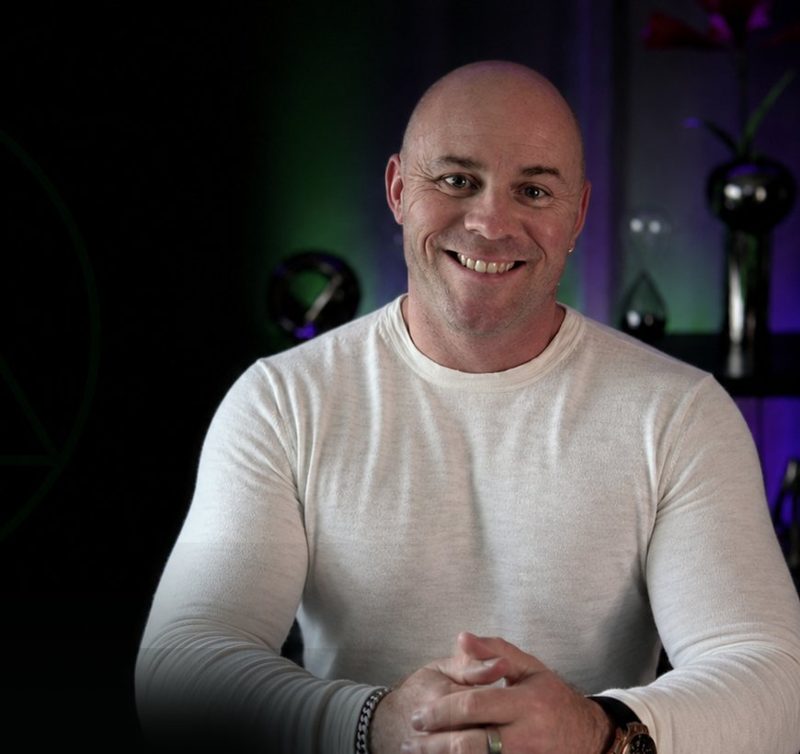
If you’ve tried to talk yourself out of this fear and it hasn’t worked, that isn’t a lack of willpower. A phobia is an alarm your mind learned, and logic alone rarely switches it off.
When I work with fear of pain over Zoom, I look first at where the fear came from and what your mind expects will happen, because the anticipation is often worse than the event. In hypnosis we rehearse appointments, movement or procedures while your body stays loose and calm, so the brain stops bracing for the worst. I also teach simple self-hypnosis you can use in the waiting room or during exercise. Many clients find the tension and dread ease a lot, and this always sits alongside your medical care, never instead of it.
I’ve spent 17 years in clinical practice and helped more than 1,000 people with phobias. I hold a Postgraduate Certificate and a Postgraduate Diploma in Clinical Hypnotherapy, both with Distinction.
If you’re living with pain, please keep working with your GP. Hypnotherapy can help with the fear and tension around it, alongside your medical care.
Common questions
Can fear of pain make pain worse?
It can. Anxiety and tension raise the body’s sensitivity, and avoiding movement can lead to stiffness and weakness, which can make pain feel stronger over time.
What is the difference between algophobia and fear of needles?
Fear of needles is focused on injections and blood tests, sometimes with fainting. Algophobia is a broader fear of pain itself, which can cover exercise, dental work, injury and illness.
Should I stop exercising if I am scared it will hurt?
Please do not make changes on your own. Talk to your GP or physiotherapist, who can help you plan safe, gradual activity that suits your health.
Where does it come from?
Often a painful injury or procedure in the past, or watching someone close to you suffer.
How do sessions work?
I use hypnotherapy and NLP to change how your mind responds to the idea of pain. Sessions are one to one over Zoom, and you get a recording of the hypnosis to listen to afterwards.
How many sessions will I need?
Many clients notice a real difference after one 90 minute session. If the fear goes back a long way, three sessions gives us room to make the change stick.
Further reading: Cleveland Clinic: Algophobia (fear of pain) · NHS: Phobias · Mind: About phobias
Ready to start?
A short call is the simplest next step. We’ll talk about your fear, what you’d like to feel instead, and whether I’m the right person to help.
- Take the free test at the top of this page to see how strong your fear is.
- Book a 30 minute call. Use code PHOBIA at checkout for half price: £24.50 instead of £49 ($29.50 outside the UK).
- Start your sessions over Zoom from wherever you live, or face to face in Hertfordshire.
See all session options and prices