
Fear of painful bowel movements (defecaloesiophobia)
En español: lee sobre este miedo en Fobias.org.
Defecaloesiophobia is a fear of painful or difficult bowel movements. It is often seen in children, who may hold on to avoid going, which can make things harder and more uncomfortable over time. Any ongoing pain, constipation or change in bowel habits should be checked with a GP.
Many families find that with the right help, alongside advice from their GP, going to the toilet becomes calmer and less of a battle.
Use code PHOBIA at checkout for half price: £24.50 instead of £49. Outside the UK? $29.50.
About this phobia
The term is rarely used, even by health professionals, and appears mostly on lists. The pattern it describes is well known, though: a painful experience on the toilet leads to fear, holding on, and then more discomfort. It can overlap with wider worries about toilets or about bodily pain.
How it shows up
This fear often begins with a single painful bowel movement that leaves a strong memory. A child may then hold on, cross their legs or hide away when they feel the urge, and the next trip to the toilet becomes harder still. Adults can be affected too, for example after surgery, childbirth or a painful condition. It differs from ordinary embarrassment because it centres on the expectation of pain.
Common triggers
- Feeling the urge to go
- Memories of a painful bowel movement
- Sitting on the toilet for a long time
- Unfamiliar or public toilets
- Pressure from others to go
- Recovering from illness or an operation
Where it shows up
- School and nursery toilets
- Home toilet routines
- Holidays and long car trips
- Workplaces with shared toilets
- The weeks after a hospital stay
Symptoms
In your body
- Clenching or tensing to hold on
- Tummy discomfort
- Fidgeting or restlessness
- Sweating or tears when the urge comes
In your mind
- Fear that it will hurt
- Dread of the toilet
- Shame or embarrassment
- Worry about accidents
What you might do
- Holding on for long periods
- Hiding or standing in corners when the urge comes
- Refusing to sit on the toilet
- Avoiding trips out
What may cause it
NHS leaflets on childhood constipation describe how a painful poo can lead a child to hold on, which makes the next one more uncomfortable, so the cycle keeps turning. Pressure during toilet training, a change of routine or illness can also start the pattern. In adults the fear may follow a painful episode or a medical procedure. The name itself is rarely used, but the pattern of pain, fear and holding on is well recognised.
How it can affect your life
For children it can affect school, sleep and mood, and lead to accidents that bring more upset and shame. Adults may plan their days around toilets and feel tense and self conscious much of the time. Parents often find the cycle exhausting and worry they have done something wrong, which is rarely the case.
Related fears
- Fear of pain (algophobia)
- Fear of using public toilets (shy bowel)
- Fear of germs (mysophobia)
Things that can help day to day
- Keep toilet times calm and unhurried, with no pressure or rushing
- Praise children for sitting and trying, not for what happens
- Use a small footstool so feet are supported and knees sit a little higher
- Try gentle distraction, such as a favourite book or song, while sitting
When to get help
See a GP about any ongoing pain, constipation, blood or change in bowel habits, for children and adults alike. Once any physical problem is treated, a specialist can help with fear that remains.
Explore more unusual fears in the rare phobias A to Z, or browse the common phobias.
About me
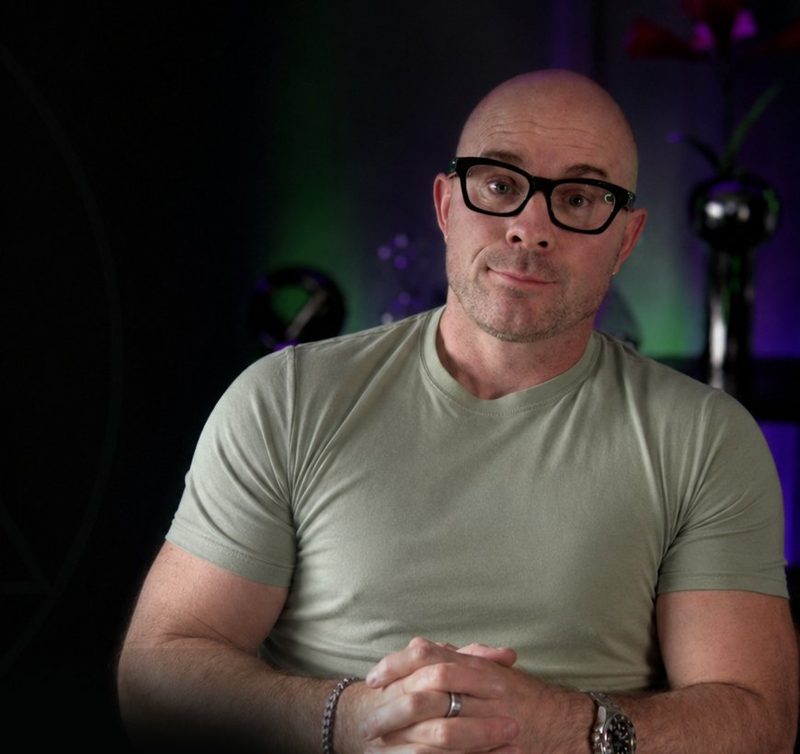
If you’ve tried to talk yourself out of this fear and it hasn’t worked, that isn’t a lack of willpower. A phobia is an alarm your mind learned, and logic alone rarely switches it off.
When a fear is less common, it can be harder to explain, so you may not have told many people about it. I work one to one over Zoom with people whose fears are holding them back, including rarer ones like this, and every plan starts with understanding what your fear is really about.
I’ve spent 17 years in clinical practice and helped more than 1,000 people with phobias. I hold a Postgraduate Certificate and a Postgraduate Diploma in Clinical Hypnotherapy, both with Distinction, and journalists and clients call me the Phobia Guru.
Common questions
How can I help a child who is scared to poo?
Start with a GP visit, since constipation is common in children and can be treated, which takes away much of the pain behind the fear. A calm, unhurried toilet routine with no pressure helps too. Praising sitting on the toilet, rather than results, can lower the tension.
How can you help?
I use hypnotherapy and NLP to change how your mind responds to the thing you fear, so the old alarm stops going off. Sessions are one to one over Zoom, and you get a recording of the hypnosis to listen to afterwards.
How many sessions will I need?
Many clients notice a real difference after one 90 minute session. If the fear goes back a long way, three sessions gives us room to make the change stick.
Further reading: Constipation in children, West Hertfordshire Teaching Hospitals NHS Trust · Constipation health pack, Evelina London Children’s Hospital
Ready to start?
A short call is the simplest next step. We’ll talk about your fear, what you’d like to feel instead, and whether I’m the right person to help.
- Take the free test at the top of this page to see how strong your fear is.
- Book a 30 minute call. Use code PHOBIA at checkout for half price: £24.50 instead of £49 ($29.50 outside the UK).
- Start your sessions over Zoom from wherever you live, or face to face in Hertfordshire.
See all session options and prices