
Fear of palindromes (aibohphobia)
Aibohphobia is a joke word for a fear of palindromes, words or phrases that read the same forwards and backwards, such as level, racecar or kayak. Nobody is known to avoid these words in daily life, though the term pops up in puzzle books, quizzes and word games.
Behind the joke, some people do find certain words or patterns unsettling. Many people find that with the right help, that unease settles.
Use code PHOBIA at checkout for half price: £24.50 instead of £49. Outside the UK? $29.50.
About this phobia
The joke is in the spelling: aiboh is phobia written backwards, so the whole word is itself a palindrome. It is not a recognised fear and has no clinical use. People who feel real unease around certain patterns may find that better described by other fears, such as a fear of particular numbers.
How it shows up
Few people, if any, feel genuine fear at the sight of a word like noon or civic, and the term is mostly enjoyed as wordplay. Where real discomfort does show up around symmetry or repeated patterns, it tends to look like a nagging sense that something is off, a pull to recheck or reread, or an irritation that will not settle. That is quite different from simply finding palindromes silly or dull. If the unease is strong enough to change what someone reads or writes, it may point to a wider worry about order, patterns or getting things just right.
Common triggers
- Word puzzles built around palindromes
- Number plates that read the same both ways
- Calendar dates that form a palindrome
- Mirror symmetrical words and shapes
- Quiz questions on wordplay
- Long runs of repeated letters or digits
Where it shows up
- Puzzle books and crosswords
- Pub quizzes and quiz shows
- English or spelling lessons
- Word games on phones and tablets
- Office work involving codes or reference numbers
Symptoms
In your body
- Restlessness or fidgeting
- Tension in the jaw or shoulders
- Slight rise in heart rate
- Feeling hot or flushed
In your mind
- Sense that something is not quite right
- Getting stuck rereading a word
- Irritation that is hard to explain
- Worry that a date or number means something
What you might do
- Skipping puzzles or word games
- Changing a written word to break the pattern
- Rechecking text several times
What may cause it
Because the word is a joke, there is no research on a fear of palindromes as such. When people feel genuine distress around symmetry, repeated patterns or particular numbers, it can be linked to a generally anxious temperament, to superstitions picked up in childhood, or sometimes to obsessive worries that need things to look or feel exactly right. Stress and tiredness tend to make these feelings louder. Responding to the discomfort by avoiding or fixing things brings short term relief, which quietly teaches the brain to keep doing it.
How it can affect your life
For almost everyone this is a talking point rather than a problem. Where pattern related unease is real, it can slow down reading, writing or work with numbers. It can also eat up time through rechecking that other people never see.
Related fears
- Fear of particular numbers (arithmophobia)
- Fear of the number 13 (triskaidekaphobia)
- Fear of long words (sesquipedalophobia)
Things that can help day to day
- Notice the urge to recheck and wait a few minutes before acting on it
- Try a short, playful palindrome puzzle and rate how you feel afterwards
- Use calm breathing when a pattern grabs your attention
- Talk it through with someone who can help you see the funny side
When to get help
If urges to check, reread or fix patterns take up a lot of your day or cause real distress, speak to your GP. They can talk you through therapies that help with anxious and repetitive thoughts.
Explore more unusual fears in the rare phobias A to Z, or browse the common phobias.
About me
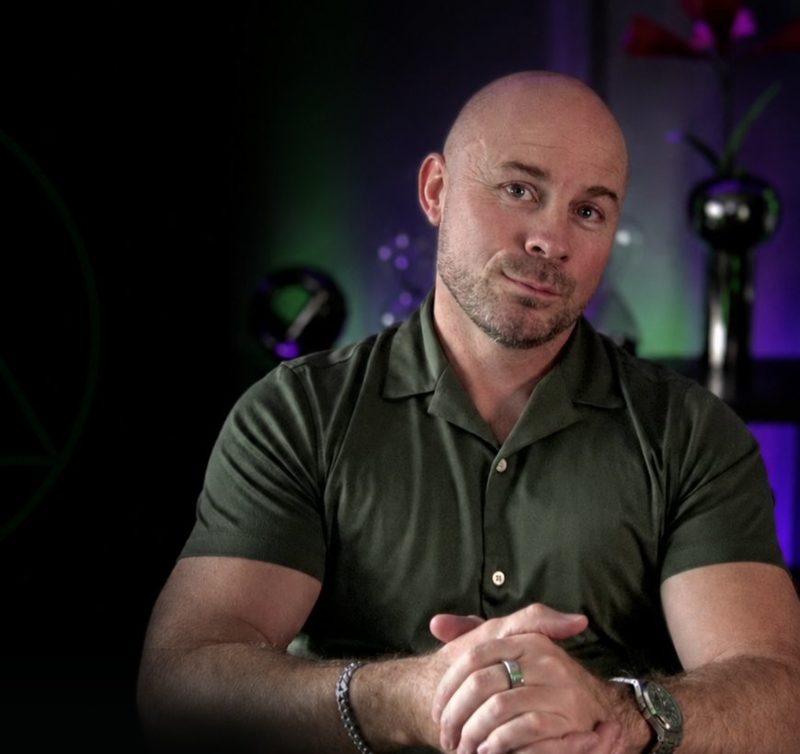
If you’ve tried to talk yourself out of this fear and it hasn’t worked, that isn’t a lack of willpower. A phobia is an alarm your mind learned, and logic alone rarely switches it off.
When a fear is less common, it can be harder to explain, so you may not have told many people about it. I work one to one over Zoom with people whose fears are holding them back, including rarer ones like this, and every plan starts with understanding what your fear is really about.
I’ve spent 17 years in clinical practice and helped more than 1,000 people with phobias. I hold a Postgraduate Certificate and a Postgraduate Diploma in Clinical Hypnotherapy, both with Distinction, and journalists and clients call me the Phobia Guru.
Common questions
Can anyone really be afraid of palindromes?
There are no known cases of a genuine fear of palindromes, and the word exists purely as wordplay. If reading, spelling or word puzzles do bring on real stress, that is worth taking seriously in its own right, as it may link to exam pressure or reading difficulties.
How can you help?
I use hypnotherapy and NLP to change how your mind responds to the thing you fear, so the old alarm stops going off. Sessions are one to one over Zoom, and you get a recording of the hypnosis to listen to afterwards.
How many sessions will I need?
Many clients notice a real difference after one 90 minute session. If the fear goes back a long way, three sessions gives us room to make the change stick.
Further reading: Healthline: Fear of long words · NHS: Phobias
Ready to start?
A short call is the simplest next step. We’ll talk about your fear, what you’d like to feel instead, and whether I’m the right person to help.
- Take the free test at the top of this page to see how strong your fear is.
- Book a 30 minute call. Use code PHOBIA at checkout for half price: £24.50 instead of £49 ($29.50 outside the UK).
- Start your sessions over Zoom from wherever you live, or face to face in Hertfordshire.
See all session options and prices