
Fear of paper (papyrophobia)
Paper is everywhere, from post and receipts to books and office work, which is what makes papyrophobia so awkward to live with. The fear can range from hating the feel or sound of paper to strong anxiety about paper cuts or piles of documents. Some people manage by going paperless wherever they can.
Many people find that with the right help, post, receipts and paperwork become ordinary things they can handle.
Use code PHOBIA at checkout for half price: £24.50 instead of £49. Outside the UK? $29.50.
About this phobia
The name builds on papyrus, the ancient writing material that gave English the word paper. It is a rare fear that appears mostly on phobia lists, with very little clinical writing on it. For some people it overlaps with sensory dislikes, such as a strong reaction to certain textures or sounds.
How it shows up
Papyrophobia can look very different from one person to the next. One person may shudder at the dry rasp of a page being turned, while another cannot sit near a pile of documents without picturing a cut. Ordinary dislike might mean preferring an e-reader, but a phobia brings real distress and gets in the way of work, study or simply opening the post. Some people also feel uneasy about the clutter and loose ends that paper seems to bring.
Common triggers
- The sound of paper rustling or tearing
- The dry feel of paper on fingertips
- The thought of a paper cut
- Stacks of letters or documents
- Newspapers and glossy magazines
- Envelope edges and folded corners
Where it shows up
- Offices and around printers
- Opening the post at home
- Classrooms and exam halls
- Libraries and bookshops
- Shop counters when handed a receipt
- Craft and scrapbooking hobbies
Symptoms
In your body
- Shivers or goosebumps
- A crawling feeling on the skin
- Tense or clenched hands
- Quick, shallow breathing
- Teeth on edge or wincing
In your mind
- Dread before handling documents
- Picturing cuts or injury
- A strong sense of disgust or unease
- Worry about missing something important in the post
What you might do
- Wearing gloves or using tools to pick up paper
- Going paperless wherever possible
- Leaving post unopened
- Scanning letters at once so the paper can go
What may cause it
Little has been written about a fear of paper, so its causes are not well understood. For some people it seems linked to strong sensory reactions, where certain textures or sounds feel almost unbearable. Others can trace it back to a painful paper cut or to a stressful period full of forms and bills. Once avoidance sets in, there is little chance to learn that paper is usually harmless.
How it can affect your life
Unopened letters can lead to missed bills, appointments or deadlines, which then adds real worry on top of the fear. Study and office work can be hard going when paper cannot be avoided. Some people also feel embarrassed explaining why they will not take a leaflet or sign a paper form.
Related fears
- Fear of books (bibliophobia)
- Fear of sharp objects (aichmophobia)
- Strong reactions to everyday sounds (misophonia)
Things that can help day to day
- Switch to online statements and digital tickets to cut down on paper
- Hold a single sheet for a short time, then slowly build up
- Keep hand cream nearby if dry fingers make the feeling worse
- Set a regular time to open post with someone supportive
When to get help
Get help if the fear is stopping you working, studying or keeping on top of important letters. If you react strongly to many textures or sounds, not just paper, mention this to your GP.
Explore more unusual fears in the rare phobias A to Z, or browse the common phobias.
About me
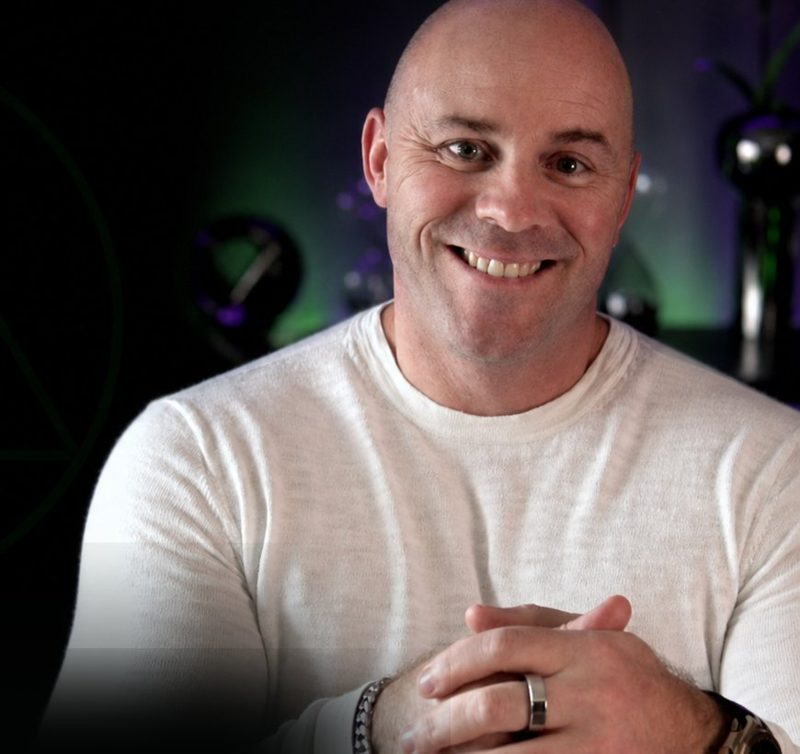
If you’ve tried to talk yourself out of this fear and it hasn’t worked, that isn’t a lack of willpower. A phobia is an alarm your mind learned, and logic alone rarely switches it off.
When a fear is less common, it can be harder to explain, so you may not have told many people about it. I work one to one over Zoom with people whose fears are holding them back, including rarer ones like this, and every plan starts with understanding what your fear is really about.
I’ve spent 17 years in clinical practice and helped more than 1,000 people with phobias. I hold a Postgraduate Certificate and a Postgraduate Diploma in Clinical Hypnotherapy, both with Distinction, and journalists and clients call me the Phobia Guru.
Common questions
Is fear of paper the same as hating the feel of it?
Not always. Some people simply dislike the texture or sound, much as others dislike nails on a chalkboard, while others feel real fear and avoid paper wherever they can. When it starts to affect work, study or opening important letters, it may be worth getting support.
How can you help?
I use hypnotherapy and NLP to change how your mind responds to the thing you fear, so the old alarm stops going off. Sessions are one to one over Zoom, and you get a recording of the hypnosis to listen to afterwards.
How many sessions will I need?
Many clients notice a real difference after one 90 minute session. If the fear goes back a long way, three sessions gives us room to make the change stick.
Further reading: Cleveland Clinic: Papyrophobia (fear of paper) · NHS: Phobias
Ready to start?
A short call is the simplest next step. We’ll talk about your fear, what you’d like to feel instead, and whether I’m the right person to help.
- Take the free test at the top of this page to see how strong your fear is.
- Book a 30 minute call. Use code PHOBIA at checkout for half price: £24.50 instead of £49 ($29.50 outside the UK).
- Start your sessions over Zoom from wherever you live, or face to face in Hertfordshire.
See all session options and prices