
Fear of parasites (parasitophobia)
En español: lee sobre este miedo en Fobias.org.
Worms, mites and other organisms that live on or in the body are the focus of parasitophobia. News stories, travel, pets or a passing itch can all set it off, and it may lead to frequent washing or worry about food and water. If you have real symptoms, such as an itch or stomach problems that will not settle, it is sensible to check them with a GP.
Many people find that with the right help, a news story or an itch stops setting off the worry, and they can feel comfortable in their own body.
Use code PHOBIA at checkout for half price: £24.50 instead of £49. Outside the UK? $29.50.
About this phobia
The word combines parasite, from the Greek parasitos, with phobia. It describes a specific fear and is different from delusional parasitosis, where someone holds a fixed false belief that they are already infested. With a phobia, the person fears parasites but can usually accept that they are probably not infested.
How it shows up
Someone with parasitophobia might watch a documentary about tapeworms and spend days aware of every twinge in their stomach. Others notice it most after a holiday or when the dog starts scratching. Most people find parasites unpleasant, but a phobia goes further, with worry that is hard to switch off and habits such as repeated washing or checking. The person usually knows the risk is low, yet the fear does not seem to listen.
Common triggers
- An itch or a crawling feeling on the skin
- Documentaries or news about worms and mites
- Pets scratching or needing flea treatment
- Travel to hot or tropical countries
- Undercooked or unfamiliar food
- Shared towels or bedding
- Gardening or handling soil
Where it shows up
- After holidays abroad
- At mealtimes and when eating out
- At home with pets
- In bed at night
- In shared spaces such as gyms or hostels
- Camping trips and festivals
Symptoms
In your body
- Feeling itchy or crawly
- A churning stomach
- Nausea
- Racing heart
- Skin that feels hot or prickly
In your mind
- Close attention to every body sensation
- Disgust that is hard to shake off
- Urges to search symptoms online
- Reading ordinary marks as signs of infestation
What you might do
- Washing hands or bedding again and again
- Avoiding certain foods or restaurants
- Keeping away from animals
- Asking for tests or reassurance
What may cause it
A fear of parasites seems to draw on disgust, a natural response that helps humans avoid infection. In some people that response becomes oversensitive, perhaps after a real infestation, a frightening story or seeing a pet unwell. Paying close attention to the skin and gut then makes normal sensations feel suspicious. Repeated washing and checking can keep the fear going by never letting it settle on its own.
How it can affect your life
The fear can limit travel, eating out and contact with animals, and frequent washing can leave skin sore. Some people stop cuddling pets or let children play outside less, which affects the whole household. Constant attention to the body can also be tiring and isolating.
Related fears
- Fear of insects (entomophobia)
- Fear of germs (mysophobia)
- Fear of lice (pediculophobia)
- Fear of worms (scoleciphobia)
Things that can help day to day
- Follow ordinary hygiene once, then stop rather than repeating it
- Cut down on searching symptoms online
- Notice an itch and wait a few minutes before checking or scratching
- Keep pets on their vet-advised routine so you can trust it
When to get help
See a GP for any symptoms that will not settle, such as an itch, rash or stomach upset. If you still feel sure you are infested after tests come back clear, tell your GP so they can offer the right kind of support.
Explore more unusual fears in the rare phobias A to Z, or browse the common phobias.
About me
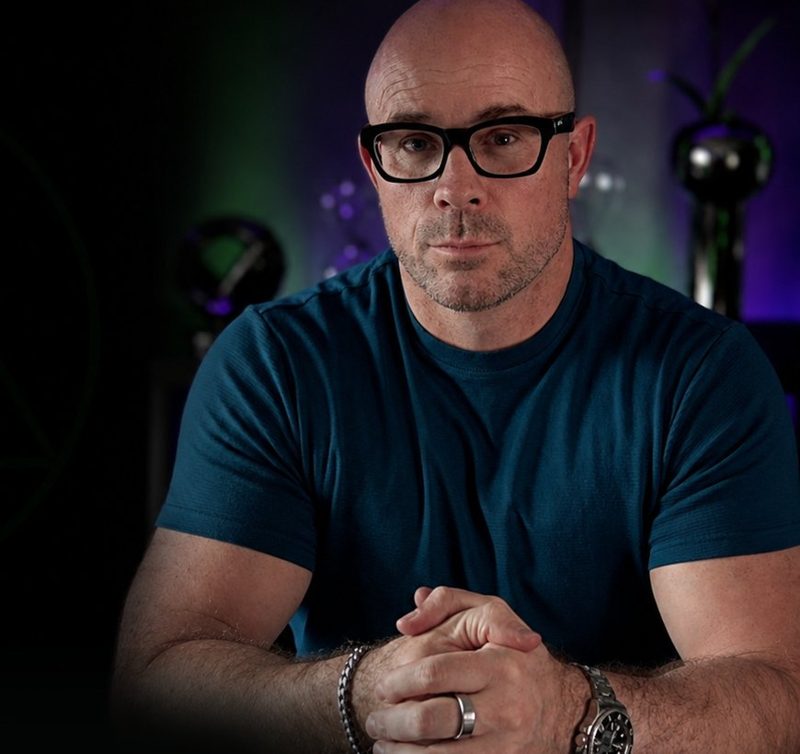
If you’ve tried to talk yourself out of this fear and it hasn’t worked, that isn’t a lack of willpower. A phobia is an alarm your mind learned, and logic alone rarely switches it off.
When a fear is less common, it can be harder to explain, so you may not have told many people about it. I work one to one over Zoom with people whose fears are holding them back, including rarer ones like this, and every plan starts with understanding what your fear is really about.
I’ve spent 17 years in clinical practice and helped more than 1,000 people with phobias. I hold a Postgraduate Certificate and a Postgraduate Diploma in Clinical Hypnotherapy, both with Distinction, and journalists and clients call me the Phobia Guru.
Common questions
Is parasitophobia the same as thinking you have parasites?
No. With parasitophobia a person fears getting parasites but can usually take in reassurance when tests are clear. Delusional parasitosis is a different condition where the belief stays fixed despite evidence, and it needs medical assessment, so a GP is the right first step if you are unsure.
How can you help?
I use hypnotherapy and NLP to change how your mind responds to the thing you fear, so the old alarm stops going off. Sessions are one to one over Zoom, and you get a recording of the hypnosis to listen to afterwards.
How many sessions will I need?
Many clients notice a real difference after one 90 minute session. If the fear goes back a long way, three sessions gives us room to make the change stick.
Further reading: Cleveland Clinic: Entomophobia (fear of insects) · MDedge: Review of delusions of parasitosis · NHS: Phobias
Ready to start?
A short call is the simplest next step. We’ll talk about your fear, what you’d like to feel instead, and whether I’m the right person to help.
- Take the free test at the top of this page to see how strong your fear is.
- Book a 30 minute call. Use code PHOBIA at checkout for half price: £24.50 instead of £49 ($29.50 outside the UK).
- Start your sessions over Zoom from wherever you live, or face to face in Hertfordshire.
See all session options and prices