
Fear of passing wind in public (phartophobia)
Phartophobia is a jokey name for the fear of passing wind in public. The worry behind it is real for some people, who may avoid quiet meetings, lifts, exams or close contact with others in case it happens.
Many people find that with the right help, the worry about embarrassing moments eases and they can relax in company.
Use code PHOBIA at checkout for half price: £24.50 instead of £49. Outside the UK? $29.50.
About this phobia
Worry about passing wind in public is a social anxiety theme, but this word is not a recognised phobia. The name is a play on a familiar rude word rather than a classical root. Fears of embarrassment, of losing control of the body in public and of being judged are well documented.
How it shows up
Everyone passes wind, and most people shrug off the odd embarrassing moment. For some, though, the worry grows so strong that they plan their day around it, skip quiet events or sit near exits and aisles just in case. The fear is usually about being noticed and judged, rather than about the bodily function itself. When it starts to shape where someone will and will not go, it is more than ordinary embarrassment.
Common triggers
- Quiet rooms such as exam halls or libraries
- Lifts and small spaces
- Close contact with others
- A rumbling stomach
- Long meetings or classes
- Dates and intimate moments
- Sitting close to someone in a car
Where it shows up
- Exam halls
- Offices and meetings
- Buses, trains and planes
- Cinemas and theatres
- Yoga and fitness classes
- Doctor or dentist waiting rooms
Symptoms
In your body
- Tight stomach
- Bloating or discomfort
- Blushing
- Sweating
- Racing heart
In your mind
- Fear of being noticed
- Worry about being judged
- Constant checking of how the stomach feels
- Imagining others laughing or talking about it
What you might do
- Sitting near exits
- Avoiding quiet places
- Skipping social events
- Leaving rooms frequently
What may cause it
The jokey word has no research, but fears of embarrassing bodily functions in public are recognised as part of social anxiety. They can begin after a single awkward moment, especially at school or work, and grow through worry, teasing and self focus. Anxiety can also unsettle the gut, which makes the feared thing seem more likely. That loop of worry and stomach tension can keep the fear going, even when nothing has actually happened.
How it can affect your life
This fear can lead people to avoid exams, meetings, long trips and dates. Some turn down invitations or quietly step back from social life because of it. Over time, the constant planning can be tiring and can knock confidence in other areas too.
Related fears
- Social anxiety, sometimes called social phobia
- Fear of embarrassment or being judged
- Fear of vomiting (emetophobia)
- Fear of losing control of the body in public
Things that can help day to day
- Remind yourself that passing wind is normal, happens to everyone and usually goes unnoticed
- Shift attention outwards to what is happening around you, not to your stomach
- Use slow belly breathing to relax the stomach
- Gradually stay a little longer in situations you would usually leave early
When to get help
If you have ongoing gut symptoms such as pain, bloating or changes in bowel habits, see your GP first, as these are worth checking. Help is also worth seeking if the worry leads you to avoid work, study or seeing people.
Explore more unusual fears in the rare phobias A to Z, or browse the common phobias.
About me
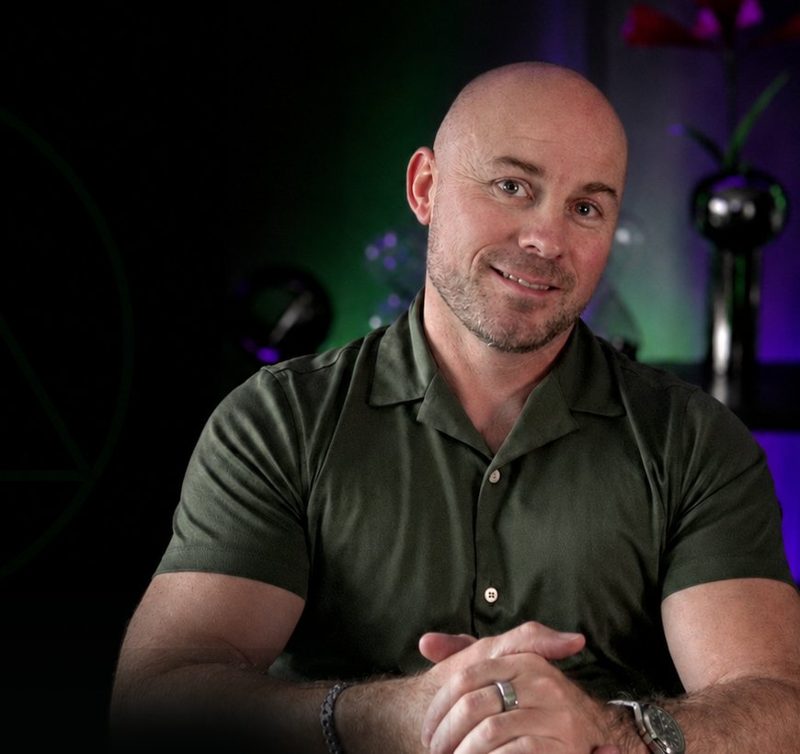
If you’ve tried to talk yourself out of this fear and it hasn’t worked, that isn’t a lack of willpower. A phobia is an alarm your mind learned, and logic alone rarely switches it off.
When a fear is less common, it can be harder to explain, so you may not have told many people about it. I work one to one over Zoom with people whose fears are holding them back, including rarer ones like this, and every plan starts with understanding what your fear is really about.
I’ve spent 17 years in clinical practice and helped more than 1,000 people with phobias. I hold a Postgraduate Certificate and a Postgraduate Diploma in Clinical Hypnotherapy, both with Distinction, and journalists and clients call me the Phobia Guru.
Common questions
Could a fear of passing wind be linked to a health problem?
Often the fear is about embarrassment rather than the body. Even so, if you have real symptoms such as frequent wind, pain or changes in bowel habits, check them with a GP. Ruling out a physical cause can also ease the worry.
How can you help?
I use hypnotherapy and NLP to change how your mind responds to the thing you fear, so the old alarm stops going off. Sessions are one to one over Zoom, and you get a recording of the hypnosis to listen to afterwards.
How many sessions will I need?
Many clients notice a real difference after one 90 minute session. If the fear goes back a long way, three sessions gives us room to make the change stick.
Further reading: NHS: Social anxiety · NHS: Phobias
Ready to start?
A short call is the simplest next step. We’ll talk about your fear, what you’d like to feel instead, and whether I’m the right person to help.
- Take the free test at the top of this page to see how strong your fear is.
- Book a 30 minute call. Use code PHOBIA at checkout for half price: £24.50 instead of £49 ($29.50 outside the UK).
- Start your sessions over Zoom from wherever you live, or face to face in Hertfordshire.
See all session options and prices