
Fear of peanut butter sticking to the roof of the mouth (arachibutyrophobia)
Arachibutyrophobia is a humorous word for a fear of peanut butter sticking to the roof of your mouth. Most people meet it as trivia, but the sensation it describes, food clinging in the mouth and feeling hard to swallow, can be unpleasant for anyone.
Behind the joke, a real worry about choking or sticky foods can be helped. Many people find that with the right help, eating feels relaxed again.
Use code PHOBIA at checkout for half price: £24.50 instead of £49. Outside the UK? $29.50.
About this phobia
The name blends the Latin arachis, meaning peanut, with butyrum, meaning butter. It is a novelty term rather than a recognised fear. Real fears of choking, sometimes called pseudodysphagia, and worries about sticky or dry foods do exist and are taken seriously.
How it shows up
Most people smile at the word and carry on spreading their toast. For a smaller group, though, the thick, clinging feel of peanut butter, or any food that sticks to the mouth, brings a quick surge of worry about not being able to swallow. That worry can grow into very careful chewing, sipping water after every bite or quietly dropping certain foods altogether. When it starts to limit what someone eats, it has moved past a fussy dislike.
Common triggers
- Thick spreads on bread or crackers
- Food sticking to the roof of the mouth
- Dry or very chewy textures
- Hearing about someone choking
- Eating quickly or in a rush
- Large tablets or sweets that feel hard to swallow
Where it shows up
- Breakfast and packed lunches
- School or work canteens
- Eating out with others watching
- Parties with snacks and finger food
- Eating while talking or on the go
Symptoms
In your body
- Tight throat
- Dry mouth
- Racing heart
- Feeling of a lump in the throat
- Coughing or gagging
In your mind
- Fear of choking
- Constant checking of how food feels
- Worry about being embarrassed while eating
What you might do
- Cutting food into very small pieces
- Drinking water with every mouthful
- Avoiding sticky or dry foods
- Leaving meals unfinished
What may cause it
The term itself is a novelty, so there is no research on it. Real fears of choking or of certain textures are recognised, and often begin after a frightening moment with food, such as coughing hard on something or seeing someone else struggle. Some people are also simply more sensitive to textures in the mouth. Each time a food is avoided, the brain takes it as proof of danger, which helps the fear stay put.
How it can affect your life
A mild version may mean nothing more than passing on peanut butter. A stronger fear of swallowing can narrow the range of foods a person is comfortable with and make shared meals stressful. Some people start to feel tense well before a meal even begins.
Related fears
- Fear of choking (pseudodysphagia)
- Fear of swallowing (phagophobia)
- Fear of new or unfamiliar foods (food neophobia)
Things that can help day to day
- Pair sticky foods with a drink and take small, unhurried bites
- Eat in calm settings where you do not feel rushed or watched
- Notice and name the worry without acting on it straight away
- Never test yourself with any food you are allergic to
When to get help
If you have trouble swallowing, pain, or a feeling of food getting stuck, see your GP first to rule out a physical cause. Please also see a GP if you are eating much less than usual or losing weight.
Explore more unusual fears in the rare phobias A to Z, or browse the common phobias.
About me
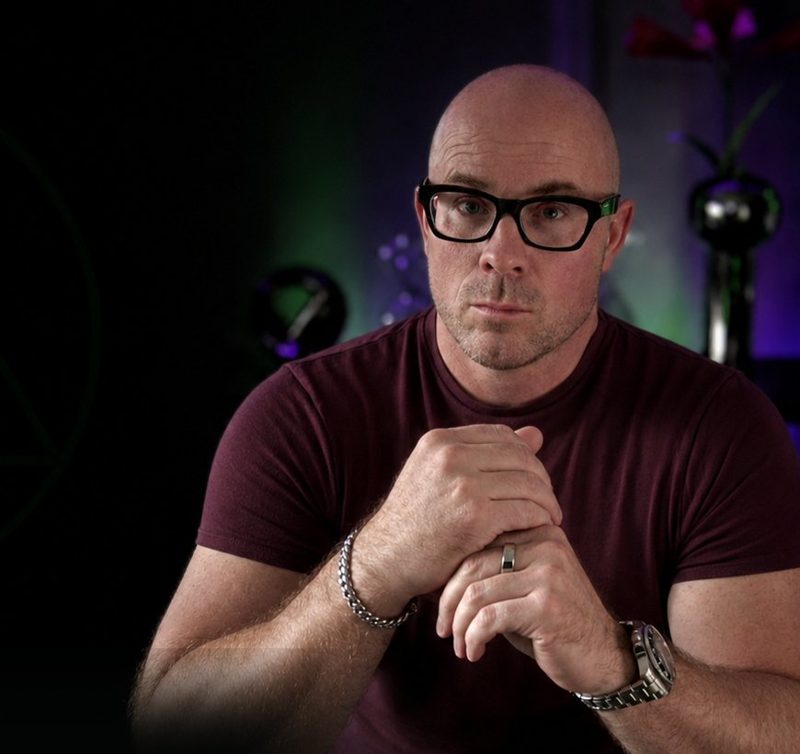
If you’ve tried to talk yourself out of this fear and it hasn’t worked, that isn’t a lack of willpower. A phobia is an alarm your mind learned, and logic alone rarely switches it off.
When a fear is less common, it can be harder to explain, so you may not have told many people about it. I work one to one over Zoom with people whose fears are holding them back, including rarer ones like this, and every plan starts with understanding what your fear is really about.
I’ve spent 17 years in clinical practice and helped more than 1,000 people with phobias. I hold a Postgraduate Certificate and a Postgraduate Diploma in Clinical Hypnotherapy, both with Distinction, and journalists and clients call me the Phobia Guru.
Common questions
Is a fear of sticky food a sign of something more serious?
Often it is part of a wider worry about choking or swallowing. If you have any real trouble swallowing, check it with a GP. If the fear means eating much less or losing weight, speak to a GP too.
How can you help?
I use hypnotherapy and NLP to change how your mind responds to the thing you fear, so the old alarm stops going off. Sessions are one to one over Zoom, and you get a recording of the hypnosis to listen to afterwards.
How many sessions will I need?
Many clients notice a real difference after one 90 minute session. If the fear goes back a long way, three sessions gives us room to make the change stick.
Further reading: PMC: Overcoming phagophobia, the fear of choking · NHS: Phobias
Ready to start?
A short call is the simplest next step. We’ll talk about your fear, what you’d like to feel instead, and whether I’m the right person to help.
- Take the free test at the top of this page to see how strong your fear is.
- Book a 30 minute call. Use code PHOBIA at checkout for half price: £24.50 instead of £49 ($29.50 outside the UK).
- Start your sessions over Zoom from wherever you live, or face to face in Hertfordshire.
See all session options and prices