
Fear of pellagra (pellagrophobia)
Pellagra is a disease caused by a lack of niacin, one of the B vitamins, and pellagrophobia is the fear of getting it. The illness was common in some parts of the world in the past but is rare in the UK today. Any real symptoms, such as skin rashes, stomach upset or confusion, should be checked with a GP.
You can eat sensibly without the worry running your days. Many people find that with the right help, the checking and searching ease.
Use code PHOBIA at checkout for half price: £24.50 instead of £49. Outside the UK? $29.50.
About this phobia
The word pellagra is thought to come from Italian words meaning rough skin. Pellagrophobia is not a recognised clinical term and appears mostly on lists of phobias. It fits within health anxiety, where fear centres on one particular illness, much like phthisiophobia for tuberculosis.
How it shows up
Pellagrophobia is unusual today because pellagra itself is so rare in the UK. In practice, the fear often surfaces when someone reads about the disease, notices rough or red skin, or starts worrying that their diet is missing something. A passing interest in nutrition is normal, but here the worry becomes persistent, with repeated checking of skin and body. For many, it is one form a wider health worry takes rather than a fear that stands alone.
Common triggers
- Reading about pellagra or vitamin deficiency
- Rough, red or sore skin
- Stomach upset
- Feeling forgetful or foggy
- Health articles about diet
- Changes to what you normally eat
- Hearing about diseases from the past
Where it shows up
- Searching symptoms online
- Sunny weather when skin reddens
- Mealtimes
- Doctor or pharmacy visits
- Late at night
- The bathroom mirror
Symptoms
In your body
- Tension and restlessness
- A churning stomach
- Sweating
- Trouble sleeping
- Tight chest
In your mind
- Fixing on skin or gut changes
- Assuming the worst about small symptoms
- Finding reassurance hard to accept
What you might do
- Checking skin in the mirror often
- Reading about vitamins again and again
- Asking for repeated tests
- Avoiding the sun in case skin reacts
What may cause it
Pellagrophobia has not been studied, but it fits patterns seen in health anxiety, where fear locks onto one particular illness. Reading about a disease with striking symptoms, such as rough skin and confusion, can stick in the mind, especially during a stressful period. Focusing closely on the body then tends to make normal sensations, like a patch of dry skin, feel worrying. Searching online often adds to the fear rather than settling it, because there is always one more page to read.
How it can affect your life
The worry can take up a lot of time and energy and may lead to unnecessary changes in eating. Frequent checking can make it hard to relax or enjoy meals with others. Friends and family may grow tired of giving reassurance, which can leave the person feeling misunderstood.
Related fears
- Health anxiety (hypochondria)
- Fear of illness (nosophobia)
- Fear of tuberculosis (phthisiophobia)
- Fear of skin disease (dermatosiophobia)
Things that can help day to day
- Limit symptom searching to a set time, or pause it for a week and notice the difference
- Keep a short note of each worry and what actually happened afterwards
- Speak to a GP before changing your diet or taking supplements
- Build a calming evening routine for the time when worry tends to peak
When to get help
See a GP about any real symptoms, such as rashes, gut problems or confusion. If you find you are eating much less or losing weight, tell your GP straight away.
Explore more unusual fears in the rare phobias A to Z, or browse the common phobias.
About me
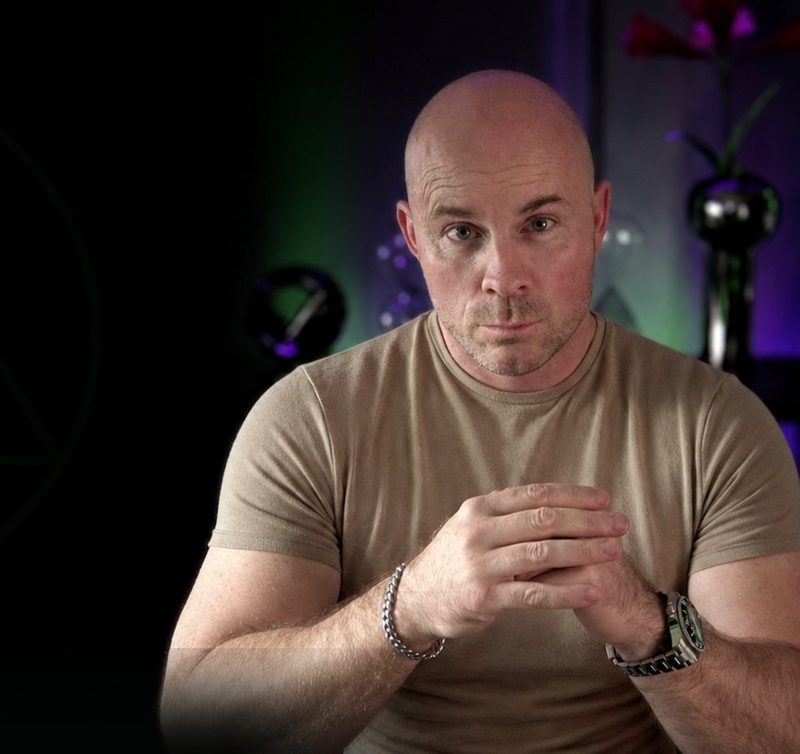
If you’ve tried to talk yourself out of this fear and it hasn’t worked, that isn’t a lack of willpower. A phobia is an alarm your mind learned, and logic alone rarely switches it off.
When a fear is less common, it can be harder to explain, so you may not have told many people about it. I work one to one over Zoom with people whose fears are holding them back, including rarer ones like this, and every plan starts with understanding what your fear is really about.
I’ve spent 17 years in clinical practice and helped more than 1,000 people with phobias. I hold a Postgraduate Certificate and a Postgraduate Diploma in Clinical Hypnotherapy, both with Distinction, and journalists and clients call me the Phobia Guru.
Common questions
Can you still get pellagra today?
Pellagra is uncommon in the UK, but it can still happen in some situations, such as a very limited diet or certain health problems. A GP can check any real symptoms and advise on a balanced diet. If worry about food or vitamins means eating much less or losing weight, speak to a GP.
How can you help?
I use hypnotherapy and NLP to change how your mind responds to the thing you fear, so the old alarm stops going off. Sessions are one to one over Zoom, and you get a recording of the hypnosis to listen to afterwards.
How many sessions will I need?
Many clients notice a real difference after one 90 minute session. If the fear goes back a long way, three sessions gives us room to make the change stick.
Further reading: Cleveland Clinic: Pellagra · Medical News Today: Pellagra · NHS: Health anxiety
Ready to start?
A short call is the simplest next step. We’ll talk about your fear, what you’d like to feel instead, and whether I’m the right person to help.
- Take the free test at the top of this page to see how strong your fear is.
- Book a 30 minute call. Use code PHOBIA at checkout for half price: £24.50 instead of £49 ($29.50 outside the UK).
- Start your sessions over Zoom from wherever you live, or face to face in Hertfordshire.
See all session options and prices