
Fear of people named Charlotte or Charlie (charlophobia)
Charlophobia is a made-up fear of people named Charlotte or Charlie. As a joke, it plays on the way some people form quick opinions about others based on a name alone.
Behind the joke, a strong reaction to a name can be real, often linked to a memory. Many people find that with the right help, it settles.
Use code PHOBIA at checkout for half price: £24.50 instead of £49. Outside the UK? $29.50.
About this phobia
The word is satire that gently pokes fun at name bias, and it is not a recognised fear. There is no clinical record of it. Where real unease around a particular name does exist, it usually traces back to a person rather than the name itself.
How it shows up
As satire, the word points at how quickly people can judge someone from a name. Real life versions are seldom about the name at all, but about a person who once carried it, such as a harsh teacher, an ex partner or a bully. Hearing the name can stir up old feelings in a flash, even when the new Charlotte or Charlie is perfectly friendly. That instant jolt is different from simply preferring other names.
Common triggers
- Hearing the name called out
- Meeting someone new with the name
- Seeing the name in an email or message
- Reminders of a past person with that name
- Name badges at work or events
- Characters with the name in films or books
Where it shows up
- New jobs or teams
- School gates and classrooms
- Parties and social events
- Online groups and chats
- Waiting rooms where names are called
- Family gatherings where a relative shares the name
Symptoms
In your body
- Stomach dropping
- Tense muscles
- Racing heart
- Feeling flushed
In your mind
- Old memories coming back
- Expecting the new person to behave badly
- Feeling unsettled for some time afterwards
What you might do
- Keeping a distance from people with the name
- Avoiding saying the name aloud
- Leaving conversations early
What may cause it
There is no clinical record of a fear of a name. When a name does cause distress, it is usually because the mind has linked it with a painful time or a person who caused upset. The name then works as a reminder, rather than a danger in itself. Avoiding people with that name can keep the link strong, while getting to know them as individuals can slowly loosen it.
How it can affect your life
In most cases the effect is mild, but it can make new working relationships awkward and is unfair on the person who happens to share the name. Where the name brings back hard memories, it can colour someone’s mood for hours. It may also lead a person to hold back in groups until they feel sure of the newcomer.
Related fears
- Fear of people (anthropophobia)
- Social anxiety, sometimes called social phobia
- Fear of rejection
Things that can help day to day
- Remind yourself that the person in front of you is not the one from the past
- Notice one thing about them that is clearly different
- Write down what the name brings up so it feels less tangled
- Talk it over with someone you trust
When to get help
If a name brings back painful memories linked to past mistreatment, a GP or a specialist counsellor can help. Support is also worth seeking if the reaction is affecting work or friendships.
Explore more unusual fears in the rare phobias A to Z, or browse the common phobias.
About me
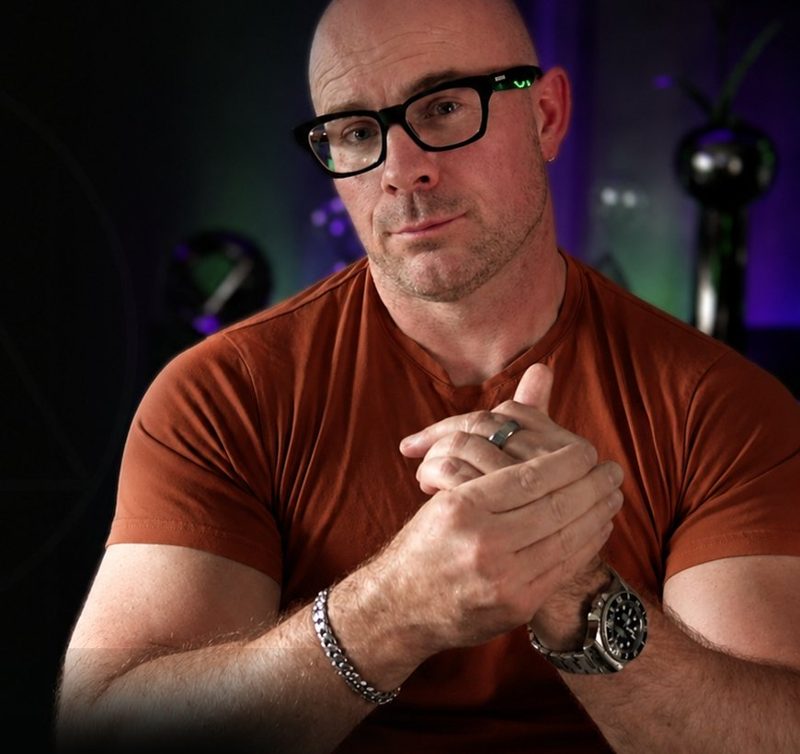
If you’ve tried to talk yourself out of this fear and it hasn’t worked, that isn’t a lack of willpower. A phobia is an alarm your mind learned, and logic alone rarely switches it off.
When a fear is less common, it can be harder to explain, so you may not have told many people about it. I work one to one over Zoom with people whose fears are holding them back, including rarer ones like this, and every plan starts with understanding what your fear is really about.
I’ve spent 17 years in clinical practice and helped more than 1,000 people with phobias. I hold a Postgraduate Certificate and a Postgraduate Diploma in Clinical Hypnotherapy, both with Distinction, and journalists and clients call me the Phobia Guru.
Common questions
What if a name really does make me anxious?
That usually means the name is linked to someone or something from your past. It might be a reminder of an awkward time or of something more painful. If it relates to someone who treated you badly, a GP or specialist counsellor can help.
How can you help?
I use hypnotherapy and NLP to change how your mind responds to the thing you fear, so the old alarm stops going off. Sessions are one to one over Zoom, and you get a recording of the hypnosis to listen to afterwards.
How many sessions will I need?
Many clients notice a real difference after one 90 minute session. If the fear goes back a long way, three sessions gives us room to make the change stick.
Further reading: NHS: Social anxiety · NHS: Phobias
Ready to start?
A short call is the simplest next step. We’ll talk about your fear, what you’d like to feel instead, and whether I’m the right person to help.
- Take the free test at the top of this page to see how strong your fear is.
- Book a 30 minute call. Use code PHOBIA at checkout for half price: £24.50 instead of £49 ($29.50 outside the UK).
- Start your sessions over Zoom from wherever you live, or face to face in Hertfordshire.
See all session options and prices