
Fear of freedom (eleutherophobia)
Eleutherophobia is a fear of freedom. It can surface when routines end, such as leaving school, retiring or ending a relationship, and open choices feel frightening rather than exciting.
Many people find that with the right help, the end of a routine starts to feel like room to breathe rather than a drop into nothing.
Use code PHOBIA at checkout for half price: £24.50 instead of £49. Outside the UK? $29.50.
About this phobia
The name comes from the Greek eleutheria, meaning freedom. It is a rare term found mostly on lists rather than in clinical writing. The idea of people fearing freedom does appear in philosophy and psychology, and it overlaps with a fear of making decisions, known on lists as decidophobia.
How it shows up
Freedom is usually seen as something to celebrate, but with eleutherophobia it can feel frightening. Open choices, empty days or big life changes can bring dread rather than excitement, and the lack of a set plan can feel like having the ground taken away. Some people stay in jobs, routines or relationships long after they stop working, because the alternative feels too uncertain. The fear is less about rules and more about the unease of having no clear path and no one else to decide.
Common triggers
- Leaving school or university
- Retirement
- The end of a relationship
- Unplanned days off
- Moving somewhere new
- Big life choices
- Being told you can do whatever you like
Where it shows up
- Career changes
- Holidays without plans
- Weekends alone
- After children leave home
- Starting self employment
- The first weeks after redundancy
Symptoms
In your body
- Restlessness
- Tight chest
- Trouble sleeping
- Tension headaches
- Low energy on unstructured days
In your mind
- Fear of uncertainty
- Feeling lost without structure
- Worry about choosing wrongly
- Doubting your own judgement
What you might do
- Sticking to familiar routines
- Avoiding change
- Filling every hour with tasks
- Letting others make plans
What may cause it
Growing up with strict routines or little choice can make freedom feel unfamiliar. A fear of failure or of making the wrong decision often plays a part, because more freedom means more choices to get wrong. Philosophers and psychologists have long written about people finding freedom a burden as well as a gift. Even so, there is little clinical research on eleutherophobia as a phobia.
How it can affect your life
It can keep people in situations that no longer suit them and make life changes feel overwhelming. Retirement or a break up can bring unexpected anxiety. Friends may be puzzled when good news, such as a new opportunity, is met with dread.
Related fears
- Fear of making decisions (decidophobia)
- Fear of change (metathesiophobia)
- Fear of failure (atychiphobia)
Things that can help day to day
- Add light structure to free time, such as one fixed plan each day
- Make small choices first and notice how you cope with the outcome
- Write down what you value most to guide bigger decisions
- Talk with someone who has been through a similar change and come out the other side
When to get help
If a life change leaves you feeling stuck, anxious or low for weeks, speak to your GP. A therapist can help you find steadier ground and build trust in your own choices.
Explore more unusual fears in the rare phobias A to Z, or browse the common phobias.
About me
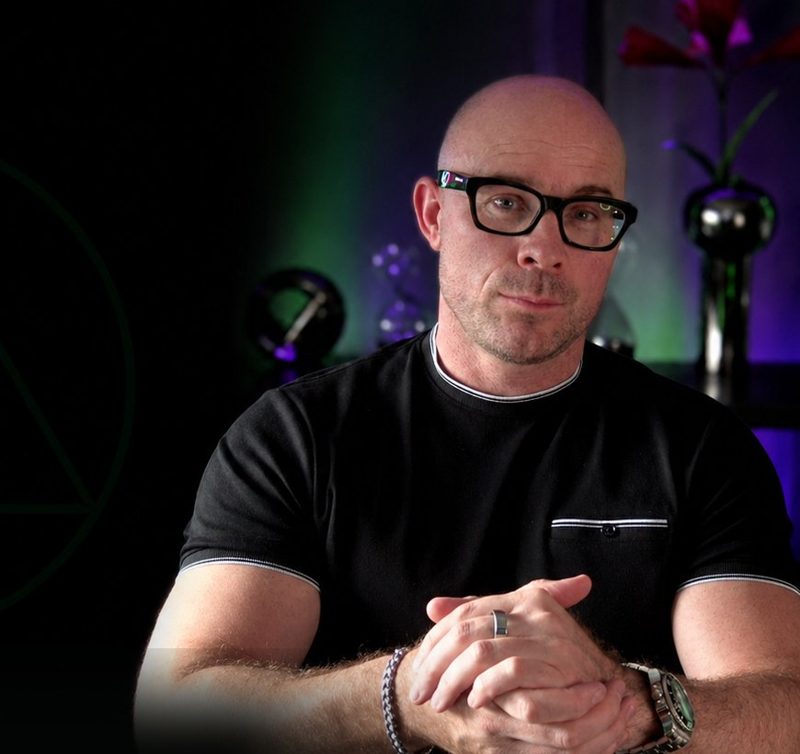
If you’ve tried to talk yourself out of this fear and it hasn’t worked, that isn’t a lack of willpower. A phobia is an alarm your mind learned, and logic alone rarely switches it off.
When a fear is less common, it can be harder to explain, so you may not have told many people about it. I work one to one over Zoom with people whose fears are holding them back, including rarer ones like this, and every plan starts with understanding what your fear is really about.
I’ve spent 17 years in clinical practice and helped more than 1,000 people with phobias. I hold a Postgraduate Certificate and a Postgraduate Diploma in Clinical Hypnotherapy, both with Distinction, and journalists and clients call me the Phobia Guru.
Common questions
How can someone be afraid of freedom?
Freedom brings responsibility and uncertainty, which can be unsettling. Without a routine or someone else setting the course, some people feel lost or exposed. Building in a little structure can make freedom feel less daunting.
How can you help?
I use hypnotherapy and NLP to change how your mind responds to the thing you fear, so the old alarm stops going off. Sessions are one to one over Zoom, and you get a recording of the hypnosis to listen to afterwards.
How many sessions will I need?
Many clients notice a real difference after one 90 minute session. If the fear goes back a long way, three sessions gives us room to make the change stick.
Further reading: Psychology Today: The challenge of indecision · Medical News Today: Fear of change · Healthline: Atychiphobia
Ready to start?
A short call is the simplest next step. We’ll talk about your fear, what you’d like to feel instead, and whether I’m the right person to help.
- Take the free test at the top of this page to see how strong your fear is.
- Book a 30 minute call. Use code PHOBIA at checkout for half price: £24.50 instead of £49 ($29.50 outside the UK).
- Start your sessions over Zoom from wherever you live, or face to face in Hertfordshire.
See all session options and prices