
Fear of philosophy (philosophobia)
Big ideas about existence, meaning and reality leave some people feeling anxious, dizzy or unsettled, and philosophobia is the name given to a fear of philosophy. It might show up in a class, while reading, or in late night conversations that turn deep. Some people avoid the subject entirely to keep the feeling away.
Many people find that with the right help, big questions about life become interesting rather than unsettling.
Use code PHOBIA at checkout for half price: £24.50 instead of £49. Outside the UK? $29.50.
About this phobia
The word simply combines philosophy with phobia. It is rarely reported and appears mostly on lists of phobias rather than in clinical writing. It overlaps with existential anxiety, where questions about life and meaning feel overwhelming rather than interesting.
How it shows up
People with philosophobia often describe a kind of mental vertigo. A question such as what happens after we die, or whether anything is truly real, can bring a lurch of fear, a sense of unreality or a feeling of losing solid ground. Plenty of people find philosophy dull or hard, but that is not the same as being afraid of it. Here the ideas themselves feel unsafe to think about.
Common triggers
- Questions about death or the meaning of life
- Ideas that reality might not be real
- Talk about free will or the size of the universe
- Philosophy lectures and books
- Deep conversations late at night
- Films that play with reality
- Thought experiments in class or online
Where it shows up
- Classrooms and lectures
- Reading alone
- Late at night
- Debates over dinner or drinks
- Podcasts and documentaries
- Religious or spiritual discussions
Symptoms
In your body
- Dizziness or lightheadedness
- Racing heart
- Feeling detached from the body
- Shallow breathing
- Tight chest
In your mind
- A sense of unreality
- Looping thoughts that will not settle
- Fear of losing control of the mind
What you might do
- Changing the subject
- Avoiding certain books, films or courses
- Reaching for distraction
- Keeping conversations light and practical
What may cause it
There is no research on philosophobia itself, but it overlaps with existential anxiety, which is widely discussed. Big questions with no clear answer can feel threatening to a mind that likes certainty and control. A period of stress, grief or panic can make these ideas land much harder than they would at a calmer time. Pushing the thoughts away often makes them return more strongly, which can make the subject feel even more dangerous.
How it can affect your life
The fear can narrow study and reading choices and make some conversations stressful. Some people steer clear of subjects they might otherwise enjoy, such as science, religion or literature, because they lead back to big questions. It may also leave people feeling different from friends who love those talks.
Related fears
- Fear of death (thanatophobia)
- Fear of thinking (phronemophobia)
- Fear of uncertainty
- Fear of the unknown
Things that can help day to day
- Ground yourself by naming things you can see, hear and touch
- Step away and do something practical when an idea feels too big
- Explore big questions in small doses at calm times of day
- Remind yourself that a dizzy feeling about an idea does not make it dangerous
When to get help
If feelings of unreality or panic are frequent, or you are feeling low, talk to your GP. Talking therapies can help with anxious, looping thoughts and with feelings of unreality.
Explore more unusual fears in the rare phobias A to Z, or browse the common phobias.
About me
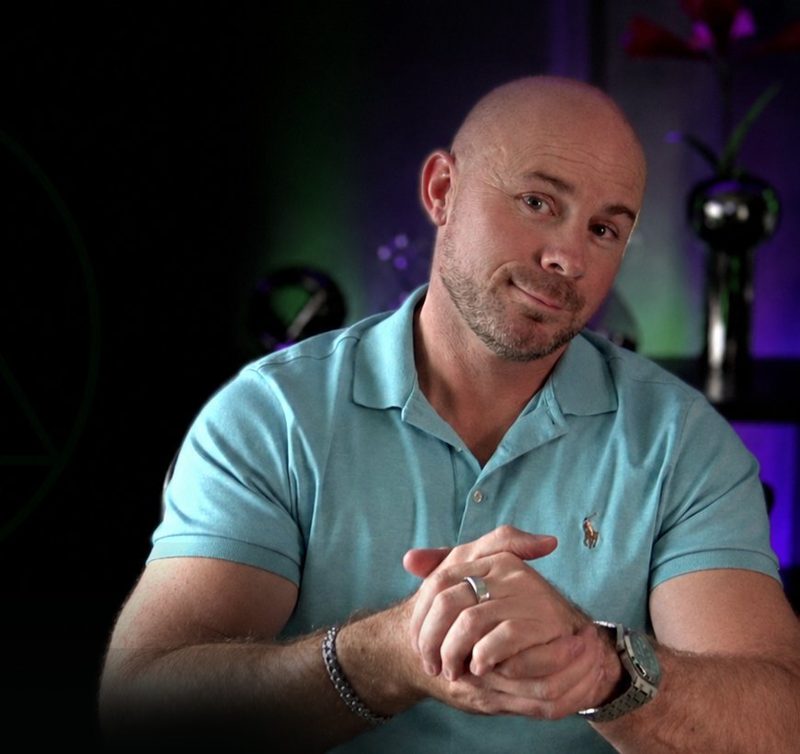
If you’ve tried to talk yourself out of this fear and it hasn’t worked, that isn’t a lack of willpower. A phobia is an alarm your mind learned, and logic alone rarely switches it off.
When a fear is less common, it can be harder to explain, so you may not have told many people about it. I work one to one over Zoom with people whose fears are holding them back, including rarer ones like this, and every plan starts with understanding what your fear is really about.
I’ve spent 17 years in clinical practice and helped more than 1,000 people with phobias. I hold a Postgraduate Certificate and a Postgraduate Diploma in Clinical Hypnotherapy, both with Distinction, and journalists and clients call me the Phobia Guru.
Common questions
Is it normal to feel anxious about big life questions?
Yes, many people feel uneasy when they think about why we exist or what is real. This is often called existential anxiety and tends to be more noticeable at times of change or stress. If these thoughts are hard to switch off and affect daily life, talking to a GP or therapist can help.
How can you help?
I use hypnotherapy and NLP to change how your mind responds to the thing you fear, so the old alarm stops going off. Sessions are one to one over Zoom, and you get a recording of the hypnosis to listen to afterwards.
How many sessions will I need?
Many clients notice a real difference after one 90 minute session. If the fear goes back a long way, three sessions gives us room to make the change stick.
Further reading: Cleveland Clinic: Thanatophobia (fear of death) · Mind: Understanding phobias · NHS: Phobias
Ready to start?
A short call is the simplest next step. We’ll talk about your fear, what you’d like to feel instead, and whether I’m the right person to help.
- Take the free test at the top of this page to see how strong your fear is.
- Book a 30 minute call. Use code PHOBIA at checkout for half price: £24.50 instead of £49 ($29.50 outside the UK).
- Start your sessions over Zoom from wherever you live, or face to face in Hertfordshire.
See all session options and prices