
Fear of phone calls (telephobia)
En español: lee sobre este miedo en Fobias.org.
A fear of phone calls can show up when the phone rings, when you have to ring a stranger or when a voicemail is waiting. It can hold you back at work and at home, and it can be helped.
Many people find that with the right help, they can answer the phone, make that call and listen to a voicemail without the dread.
Use code PHOBIA at checkout for half price: £24.50 instead of £49. Outside the UK? $29.50.
Understanding this fear
A fear of phone calls, sometimes called telephobia, is a strong dread of making or answering calls. Many people would rather text, and that is just a preference. It becomes a phobia when your heart races as the phone rings, when you put off important calls for days, or when it starts to hold you back at work and at home. People with this fear are often quite comfortable talking face to face.
Phone fear is widely seen as a form of social anxiety, and the NHS lists worry about speaking on the phone among the signs of social anxiety. Milder versions seem very common, especially among younger adults, and one 2024 UK survey suggested a quarter of 18 to 34 year olds had never answered a call to their mobile. Without body language to read, it is harder to judge how the other person is reacting, which can make calls feel more exposing than meeting in person. The fear often links with worries about being judged, saying the wrong thing or receiving bad news.
Common triggers
- The phone ringing unexpectedly
- An unknown or withheld number
- A voicemail waiting to be heard
- Having to ring a stranger, such as a surgery or the council
- Calling in sick or making a complaint
- Being overheard in an open plan office
- Silences or long pauses on the line
- Bad lines and having to ask someone to repeat themselves
- Being put on speakerphone or a conference call
Where it shows up
- Open plan offices and shared desks
- Customer service and reception jobs
- Booking appointments with the GP, dentist or garage
- Job hunting and following up applications
- Calls from family that might bring bad news
- Phone interviews
- Answering the landline at home
Symptoms
In your body
- Pounding heart when the phone rings
- Butterflies or a nervous stomach
- Sweaty palms and shaky hands
- Dry mouth and a tight throat
- A shaky or quiet voice
- Feeling hot or blushing
In your mind
- I will say something stupid
- They will think I am rude or useless
- What if it is bad news
- My mind will go blank and there will be an awkward silence
- Replaying the call afterwards and picking at every word
What you might do
- Letting calls go to voicemail
- Putting off important calls for days
- Asking partners or family to make calls for you
- Writing a full script before dialling
- Choosing email, text or online forms wherever possible
- Waiting until the office is empty to make a call
What causes it
Phone fear often grows out of social anxiety, a deeper worry about being judged or getting things wrong. A bad experience can set it off, such as an angry caller, an awkward silence that felt humiliating or a call that brought upsetting news. Without faces to read, the brain fills the gaps with worst case guesses, which raises the alarm, and the pressure to reply on the spot leaves no time to think. Growing up with texting and messaging means many people have simply had less practice with calls. Avoidance keeps it going, because every unanswered call brings relief now and makes the next one feel harder.
How it can affect your life
This fear can hold people back at work, especially in roles that involve calls, and it can lead to missed chances, from job offers to sorting out bills or booking medical appointments. Putting off calls can leave important tasks hanging, which adds stress. At home it can mean relying on others to ring on your behalf, which can strain relationships. Some people feel embarrassed, as if it is a silly thing to struggle with.
Things that can help day to day
- Jot down two or three key points before a call rather than a full script
- Start with easy calls, such as an automated line or a friendly relative, and build up gradually
- Make calls somewhere private where you will not feel overheard
- Let out two slow breaths before you dial or answer
- Make the call early in the day instead of letting dread build up
When to get help
It is worth getting help if the fear is affecting your job, stopping you booking health appointments or making everyday tasks hard to manage. Help is also worth seeking if it is part of a wider worry about social situations. Your GP can help if anxiety is affecting your daily life, and in England you can also refer yourself to NHS Talking Therapies.
How I can help
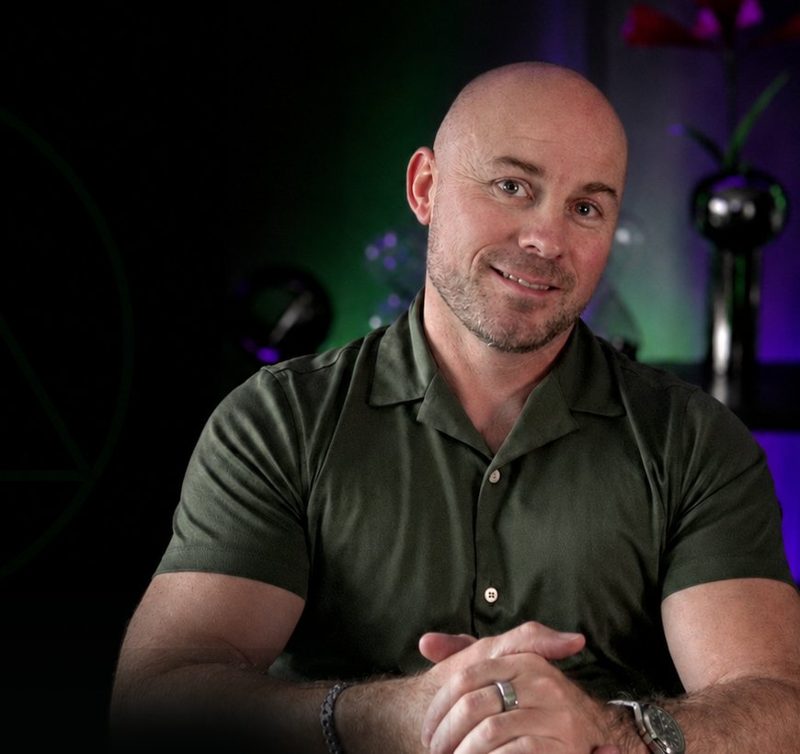
If you’ve tried to talk yourself out of this fear and it hasn’t worked, that isn’t a lack of willpower. A phobia is an alarm your mind learned, and logic alone rarely switches it off.
When the phone becomes a source of dread, I look at what lies underneath it, whether that is being judged, saying the wrong thing or an old call that went badly. Over Zoom, using hypnotherapy and NLP, we rehearse calls in your mind, hearing the ring, picking up and speaking clearly, while your body stays relaxed. That rehearsal helps reset the jolt you feel at the sound of a ringtone. Many clients find they can pick up and make calls with much less dread, and they often notice their confidence in other social situations grows too.
I’ve spent 17 years in clinical practice and helped more than 1,000 people with phobias. I hold a Postgraduate Certificate and a Postgraduate Diploma in Clinical Hypnotherapy, both with Distinction.
Common questions
Is fear of phone calls a form of social anxiety?
Often, yes. Worry about speaking on the phone is a recognised sign of social anxiety, and it usually comes from a fear of being judged or getting things wrong. Some people only struggle with calls, while others find many social situations hard.
Why can I talk face to face but not on the phone?
On the phone you lose facial expressions and body language, so it is harder to tell how the other person is reacting. Your mind tends to fill that gap with worry. The pressure to answer quickly with no time to think can add to it.
Is it normal to prefer texting to calls?
Yes, lots of people prefer messages because they can reply in their own time. It only becomes a problem when the fear stops you making calls you need to make, such as booking appointments or dealing with work.
Is a fear of phone calls the same as social anxiety?
It is often a form of social anxiety. Milder versions are widespread, and plenty of people simply prefer to text. It becomes a phobia when the dread stops you doing things you need to do.
How can you help?
I use hypnotherapy and NLP to change how your mind responds to the thing you fear, so the old alarm stops going off. Sessions are one to one over Zoom, and you get a recording of the hypnosis to listen to afterwards.
How many sessions will I need?
Many clients notice a real difference after one 90 minute session. If the fear goes back a long way, three sessions gives us room to make the change stick.
Further reading: The Conversation: Phone call anxiety · BBC Science Focus: Telephobia · NHS: Social anxiety · Wikipedia: Telephone phobia
Ready to start?
A short call is the simplest next step. We’ll talk about your fear, what you’d like to feel instead, and whether I’m the right person to help.
- Take the free test at the top of this page to see how strong your fear is.
- Book a 30 minute call. Use code PHOBIA at checkout for half price: £24.50 instead of £49 ($29.50 outside the UK).
- Start your sessions over Zoom from wherever you live, or face to face in Hertfordshire.
See all session options and prices