
Fear of plants (botanophobia)
En español: lee sobre este miedo en Fobias.org.
Botanophobia is a fear of plants, which may cover all plants or only certain kinds, such as climbers, large leaves or plants kept indoors. It can make gardens, parks and even houseplants hard to be around. Some people worry about plants being poisonous, while others dislike how they look or move.
Many people find that with the right help, a houseplant, a garden or a walk in the park becomes something to enjoy.
Use code PHOBIA at checkout for half price: £24.50 instead of £49. Outside the UK? $29.50.
About this phobia
The name comes from the Greek botane, meaning plant, as in botany. It is uncommon and has little clinical documentation, appearing mostly on lists of phobias. Related fears include anthophobia, a fear of flowers, and dendrophobia, a fear of trees.
How it shows up
Botanophobia can be surprisingly broad. Some people fear all plants, while others react only to certain types, such as dense climbers, plants with huge leaves, or anything that might be poisonous. For some the problem is touch, and for others it is that plants seem alive in a way that feels wrong, growing, creeping or swaying in the wind. It goes beyond not liking gardening because it makes ordinary green spaces feel threatening.
Common triggers
- Houseplants in homes or offices
- Overgrown hedges, ivy and climbers
- Plants thought to be poisonous
- Thorny or stinging plants
- Leaves brushing against the skin
- Films where plants grow or attack
- Pollen and seeds blowing about
Where it shows up
- Parks and gardens
- Garden centres and florists
- Country walks and woodland
- Friends’ homes full of houseplants
- Greenhouses and botanical gardens
- Allotments and community gardens
Symptoms
In your body
- Skin crawling on contact with leaves
- Fast heartbeat
- Feeling sick
- Shaking or tense muscles
- Itchy or prickly skin
In your mind
- Worry about being poisoned or stung
- Feeling crowded in by greenery
- Disgust at certain textures or shapes
- Unease at plants that sway or creep
What you might do
- Removing plants from home or work
- Avoiding parks and country walks
- Refusing gifts of flowers or plants
- Washing hands after brushing past leaves
What may cause it
Some plants really are harmful, so it is easy to see how a bad rash, a sting or a warning about poison could grow into fear of plants in general. Frightening stories or films where plants take over can add to it. Botanophobia has very little research behind it, and it may sit alongside worries about allergies, dirt or insects living among leaves. As with other phobias, avoiding plants tends to keep the fear strong.
How it can affect your life
Green spaces are hard to avoid, so this fear can limit walks, holidays and time outdoors with family. Gifts of flowers, office plants and visits to friends’ gardens can all become awkward. Even moving house or choosing a holiday can involve checking how much greenery is nearby.
Related fears
- Fear of flowers (anthophobia)
- Fear of trees (dendrophobia)
- Fear of forests (hylophobia)
Things that can help day to day
- Start with an artificial plant, then try a small, safe houseplant such as a spider plant
- Wear gardening gloves at first if touch is the main problem
- Learn which local plants are actually harmful so you can relax around the rest
- Spend short spells in an open park before trying woodland
When to get help
If you have had a skin reaction or think you may be allergic to a plant, see your GP or a pharmacist. If the fear is keeping you indoors, it is worth getting support.
Explore more unusual fears in the rare phobias A to Z, or browse the common phobias.
About me
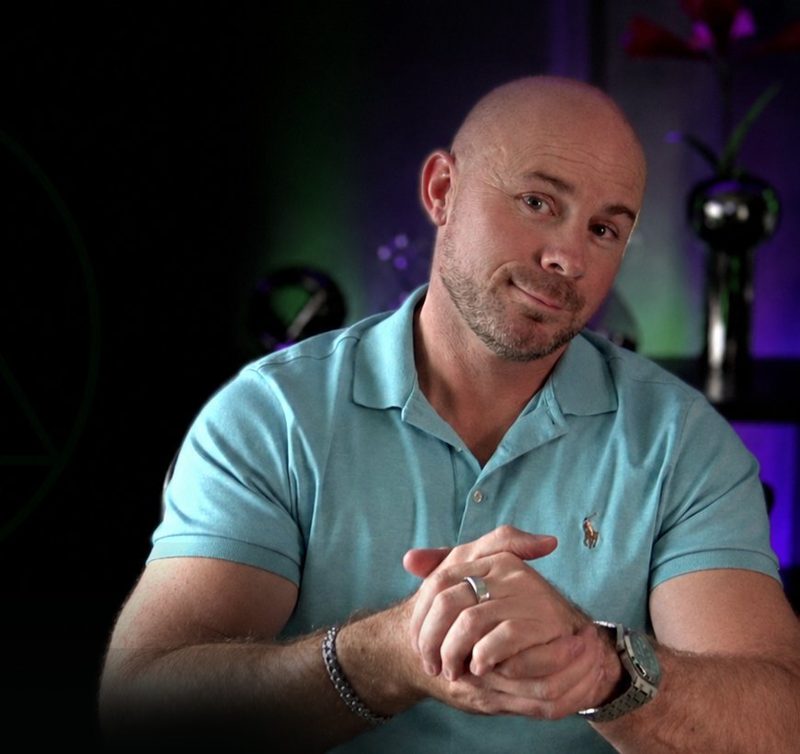
If you’ve tried to talk yourself out of this fear and it hasn’t worked, that isn’t a lack of willpower. A phobia is an alarm your mind learned, and logic alone rarely switches it off.
When a fear is less common, it can be harder to explain, so you may not have told many people about it. I work one to one over Zoom with people whose fears are holding them back, including rarer ones like this, and every plan starts with understanding what your fear is really about.
I’ve spent 17 years in clinical practice and helped more than 1,000 people with phobias. I hold a Postgraduate Certificate and a Postgraduate Diploma in Clinical Hypnotherapy, both with Distinction, and journalists and clients call me the Phobia Guru.
Common questions
Is botanophobia the same as a plant allergy?
No. An allergy is a physical reaction, such as sneezing or a rash, while botanophobia is a fear. The two can overlap if someone has had a bad reaction in the past, so if you notice real symptoms around plants, it is worth checking them with a GP.
How can you help?
I use hypnotherapy and NLP to change how your mind responds to the thing you fear, so the old alarm stops going off. Sessions are one to one over Zoom, and you get a recording of the hypnosis to listen to afterwards.
How many sessions will I need?
Many clients notice a real difference after one 90 minute session. If the fear goes back a long way, three sessions gives us room to make the change stick.
Further reading: Botanophobia (Fear of Plants) (Cleveland Clinic) · Common plant phobias (Gardening Know How)
Ready to start?
A short call is the simplest next step. We’ll talk about your fear, what you’d like to feel instead, and whether I’m the right person to help.
- Take the free test at the top of this page to see how strong your fear is.
- Book a 30 minute call. Use code PHOBIA at checkout for half price: £24.50 instead of £49 ($29.50 outside the UK).
- Start your sessions over Zoom from wherever you live, or face to face in Hertfordshire.
See all session options and prices