
Fear of experiencing pleasure (hedonophobia)
En español: lee sobre este miedo en Fobias.org.
A fear of experiencing pleasure can show up as guilt when you are enjoying yourself, or a sense that something bad must follow a good moment. It is an unusual fear, but a real one, and it can be helped.
Many people find that with the right help, they can enjoy good moments as they happen, without guilt or waiting for something bad to follow.
Use code PHOBIA at checkout for half price: £24.50 instead of £49. Outside the UK? $29.50.
Understanding this fear
Hedonophobia is a fear of experiencing pleasure. People with it often feel a wave of guilt, unease or dread when they start to enjoy themselves, as if a good moment has to be paid for. It is closely related to cherophobia, a fear of being happy, and the two terms are often used together. It is different from simply being modest or careful with money, because it brings real anxiety and can stop you enjoying the things you would like to enjoy.
There is very little research on this fear, and it is not listed as a separate condition in the main diagnostic manuals, so no one knows how common it is. Psychiatrist Carrie Barron has described people who pull back from fun, rest and celebration because they expect something bad to follow. The avoidance is often unconscious, so a person may not see it as a fear at all and may simply describe themselves as someone who cannot switch off. It can overlap with low mood, which is why talking it through with a professional can help sort out what is going on.
Common triggers
- Being invited to a party or celebration
- A day off with nothing planned
- Good news or a personal success
- Booking or packing for a holiday
- Treating yourself to something nice
- Compliments and praise
- Laughing freely or letting go
- Hearing about others who are struggling
Where it shows up
- Birthday and festive gatherings
- Holidays and weekends away
- Restaurants and special meals
- Days off and quiet evenings
- Work celebrations after a success
- Close relationships and romantic moments
Symptoms
In your body
- Stomach aches after a good time
- Headaches
- Jittery restlessness
- Racing heart when things feel good
- Tension in the chest or shoulders
In your mind
- Something bad will happen if I let myself enjoy this
- I have not earned this
- It is selfish to feel good when others are suffering
- Good things never last, so do not get attached
- Guilt that creeps in during happy moments
What you might do
- Filling every spare moment with work or chores
- Turning down invitations or leaving early
- Cutting holidays short or not booking them
- Starting a row or finding a problem after a nice day
- Playing down good news
- Keeping strict rules about when rest is allowed
What causes it
This fear is often learned early. If enjoyment was followed by punishment, criticism or upset in childhood, the mind can link pleasure with danger, in the same way that any fear is learned. Some people grew up with strong messages that only hard work earns good things, or that pleasure is frivolous or wrong, and now feel guilty when they relax. Others feel they do not deserve good things because of past mistakes, or feel uneasy enjoying life while others go without. Each time you pull away from pleasure the uneasy feeling eases, which teaches the mind that holding back keeps you safe, and so the pattern repeats.
How it can affect your life
Hedonophobia can make life feel flat even when things are going well. Partners and friends may feel pushed away when plans are refused or happy moments end in tension. People often overwork and struggle to rest, which can lead to exhaustion and burnout. Successes may pass without any sense of satisfaction, and over time this can wear down confidence and mood.
Things that can help day to day
- Notice the thought that says something bad will follow and ask whether the evidence really supports it
- Pick one small pleasure, such as a walk, a favourite song or a cup of tea in the garden, and allow it for a few minutes each day
- Let the uneasy feeling rise and fall without stopping the activity straight away
- Gradually extend the time you allow yourself to enjoy things
- Talk to someone you trust about where your rule against enjoyment may have come from
When to get help
It is worth getting help if you rarely feel able to enjoy anything, if guilt follows almost every good moment, or if the pattern is affecting your relationships or health. If you are also feeling low, flat or hopeless, please see your GP, and if you ever need to talk to someone straight away you can call Samaritans free on 116 123.
How I can help
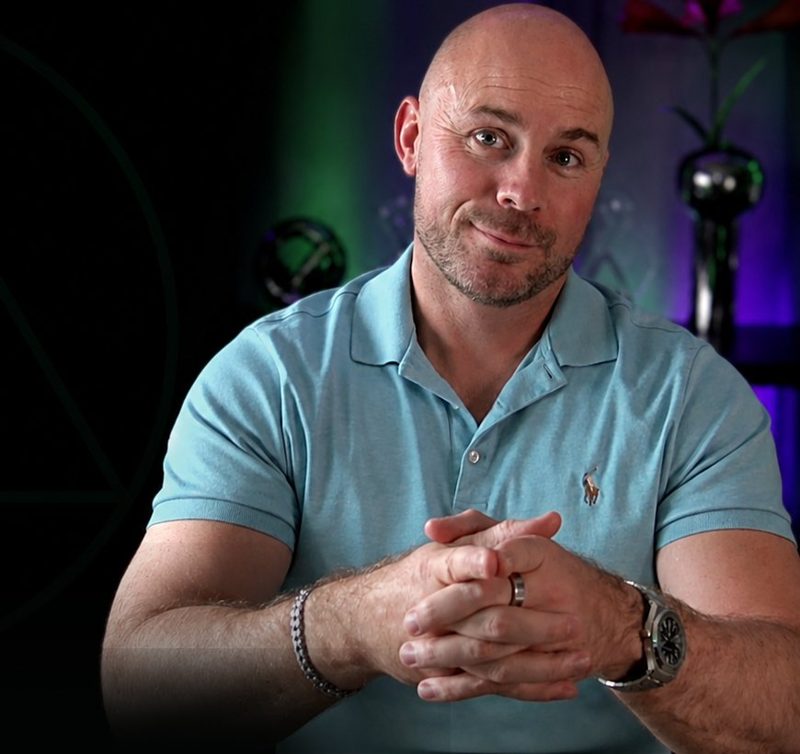
If you’ve tried to talk yourself out of this fear and it hasn’t worked, that isn’t a lack of willpower. A phobia is an alarm your mind learned, and logic alone rarely switches it off.
When I work with a fear of pleasure over Zoom, I start by gently finding out what your mind learned about enjoyment, and when it learned it. Using hypnotherapy and NLP, we revisit those early lessons from a safe, grown-up point of view and help your mind update the old rule that good times must be paid for. We then rehearse enjoying small, everyday pleasures while you stay calm, so the alarm does not have to fire. Many clients find they can start to relax and take in good moments without waiting for something to go wrong.
I’ve spent 17 years in clinical practice and helped more than 1,000 people with phobias. I hold a Postgraduate Certificate and a Postgraduate Diploma in Clinical Hypnotherapy, both with Distinction.
Common questions
Is hedonophobia the same as cherophobia?
They are closely linked. Cherophobia usually describes a fear of being happy, while hedonophobia focuses on fear of pleasure and enjoyment, and many people experience a mix of both.
Is a fear of pleasure a sign of depression?
Not necessarily. Depression often involves losing the ability to feel pleasure, while hedonophobia is about fearing or avoiding it, but the two can overlap. If you feel low much of the time, your GP is the right person to talk to.
Why do I feel guilty when I relax?
Guilt about relaxing often comes from old messages that rest must be earned or that enjoying yourself is selfish. Those beliefs made sense to the child who learned them, and they can be updated.
Why would anyone fear feeling good?
It can feel strange, but it often comes from learning early on that good times are followed by bad ones, or that enjoyment is selfish. The mind then tries to protect you by keeping pleasure at arm’s length. It is related to the fear of happiness, called cherophobia.
How can you help?
I use hypnotherapy and NLP to change how your mind responds to the thing you fear, so the old alarm stops going off. Sessions are one to one over Zoom, and you get a recording of the hypnosis to listen to afterwards.
How many sessions will I need?
Many clients notice a real difference after one 90 minute session. If the fear goes back a long way, three sessions gives us room to make the change stick.
Further reading: Healthline: Cherophobia · Psychology Today: If you fear, shun or avoid pleasure · Wikipedia: Hedonophobia
Ready to start?
A short call is the simplest next step. We’ll talk about your fear, what you’d like to feel instead, and whether I’m the right person to help.
- Take the free test at the top of this page to see how strong your fear is.
- Book a 30 minute call. Use code PHOBIA at checkout for half price: £24.50 instead of £49 ($29.50 outside the UK).
- Start your sessions over Zoom from wherever you live, or face to face in Hertfordshire.
See all session options and prices