
Fear of polio (poliosophobia)
Poliosophobia is a fear of polio, short for poliomyelitis. People who grew up hearing about polio, or who have relatives affected by it, may feel strong worry when it appears in the news. If you have real symptoms or questions about vaccination, a GP or practice nurse can advise.
You can take sensible care without the worry running your days. Many people find that with the right help, the worry about polio eases.
Use code PHOBIA at checkout for half price: £24.50 instead of £49. Outside the UK? $29.50.
About this phobia
The term appears mostly on lists of phobias and is rarely reported. Polio was once a widely feared illness, so the fear of catching it is understandable given that history. Today the worry fits within health anxiety, much like other fears focused on one disease.
How it shows up
Poliosophobia is often rooted in history and family memory. Older people may remember classmates in leg braces or summers when swimming pools were closed, and children of those affected may have grown up close to that worry. A news report about the virus being found somewhere, even far away, can bring it all back. Taking polio seriously is reasonable, but the phobia brings fear that stays even when the real risk is very low.
Common triggers
- News about polio cases or the virus being found
- Talk of vaccination
- Leg weakness or muscle aches
- Relatives affected by polio
- Travel to countries where polio still occurs
- Swimming pools and public water
- Old photos of iron lungs
Where it shows up
- News and social media
- GP surgeries and vaccination clinics
- Before travel
- Family gatherings
- Swimming baths
- Playgrounds and swimming lessons
Symptoms
In your body
- Tension and aches
- Racing heart
- Sweating
- Disturbed sleep
- Feeling weak with worry
In your mind
- Fixing on muscle sensations
- Worry about children’s health
- Hard to accept reassurance
- Linking ordinary tiredness with illness
What you might do
- Checking limbs for weakness
- Avoiding pools or travel
- Searching symptoms online
- Asking for reassurance
What may cause it
Polio was one of the most feared illnesses of the last century, and that fear can be passed down through family stories. Today the worry fits within health anxiety, where fear locks onto one particular disease. Living with or caring for a relative who still has after-effects of polio may keep it close. News stories about outbreaks elsewhere in the world can rekindle the fear, even when they have little bearing on daily life in the UK.
How it can affect your life
The fear can limit travel and leisure, such as swimming or visiting busy places in summer. Constant worry about children’s health may make parenting more stressful. Ordinary aches, stiffness and tiredness can turn into hours of worry and checking, which can be draining for the whole family.
Related fears
- Health anxiety (hypochondria)
- Fear of illness (nosophobia)
- Fear of germs (mysophobia)
- Fear of contamination
Things that can help day to day
- Check your vaccination record with your GP surgery so you know where you stand
- Limit time spent on news and health searching
- Write down worries and talk them through with someone you trust
- Use slow breathing when worry starts to build
When to get help
A GP or practice nurse can answer questions about symptoms or vaccination. If the worry continues after that, ask about support for health anxiety.
Explore more unusual fears in the rare phobias A to Z, or browse the common phobias.
About me
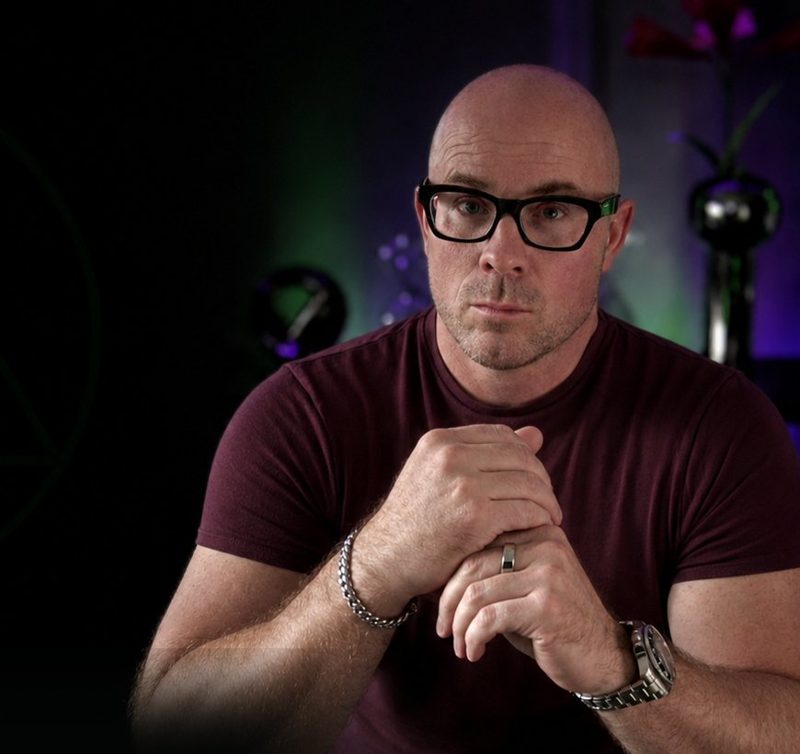
If you’ve tried to talk yourself out of this fear and it hasn’t worked, that isn’t a lack of willpower. A phobia is an alarm your mind learned, and logic alone rarely switches it off.
When a fear is less common, it can be harder to explain, so you may not have told many people about it. I work one to one over Zoom with people whose fears are holding them back, including rarer ones like this, and every plan starts with understanding what your fear is really about.
I’ve spent 17 years in clinical practice and helped more than 1,000 people with phobias. I hold a Postgraduate Certificate and a Postgraduate Diploma in Clinical Hypnotherapy, both with Distinction, and journalists and clients call me the Phobia Guru.
Common questions
Is polio still a risk in the UK?
Polio is very rare in the UK, and vaccination against it is part of the routine childhood programme. A GP or practice nurse can check whether you or your family are up to date. If worry continues despite this, support for health anxiety may help.
How can you help?
I use hypnotherapy and NLP to change how your mind responds to the thing you fear, so the old alarm stops going off. Sessions are one to one over Zoom, and you get a recording of the hypnosis to listen to afterwards.
How many sessions will I need?
Many clients notice a real difference after one 90 minute session. If the fear goes back a long way, three sessions gives us room to make the change stick.
Further reading: NHS: Polio · NHS: Health anxiety · NHS: Phobias
Ready to start?
A short call is the simplest next step. We’ll talk about your fear, what you’d like to feel instead, and whether I’m the right person to help.
- Take the free test at the top of this page to see how strong your fear is.
- Book a 30 minute call. Use code PHOBIA at checkout for half price: £24.50 instead of £49 ($29.50 outside the UK).
- Start your sessions over Zoom from wherever you live, or face to face in Hertfordshire.
See all session options and prices