
Fear of priests or sacred things (hierophobia)
Hierophobia is a fear of priests or sacred things. It can show up as unease around clergy, discomfort at weddings, funerals or services, or avoiding religious buildings and objects. The fear may relate to faith, to authority, or to past experiences in religious settings.
Many people find that with the right help, weddings, funerals and meeting clergy become things they can do calmly.
Use code PHOBIA at checkout for half price: £24.50 instead of £49. Outside the UK? $29.50.
About this phobia
The name comes from the Greek hieros, meaning sacred or holy. It is a rare term found mainly on lists of phobias, with little clinical writing about it. It sits alongside other religious-themed fears such as hagiophobia, the fear of saints or holy things, and hadephobia, the fear of hell.
How it shows up
Hierophobia can be confusing, especially for people from religious families. A priest walking past, robes and collars, the smell of incense or the hush of a sacred space can all bring a surge of fear. For some it is about authority and feeling judged, while for others the sacred objects themselves feel heavy or unsettling. It differs from simply not being religious because the reaction is physical and hard to control.
Common triggers
- Clergy in robes or collars
- Altars, chalices and sacred objects
- Incense and candles
- Being blessed or prayed over
- Confession booths
- Formal religious ceremonies
- Religious music or chanting
Where it shows up
- Churches, mosques, temples and synagogues
- Weddings and funerals
- Faith schools
- Hospitals with chaplains
- Religious festivals
- Remembrance services and civic events
Symptoms
In your body
- Racing heart
- Sweaty hands
- Light-headedness
- Tight throat
- Feeling small or shrinking
In your mind
- Feeling judged or watched
- Worry about doing something wrong
- Unease you cannot explain
What you might do
- Avoiding religious ceremonies
- Leaving services early
- Steering clear of clergy
- Declining invitations to family events
What may cause it
There is almost no clinical writing on hierophobia, so what follows draws on how specific fears work in general. It may grow from a frightening or strict religious upbringing, unsettling stories told in childhood, or a general unease with authority figures who seem to hold power over right and wrong. For some people it is tied to past harm in a religious setting, which deserves care and proper support rather than being brushed aside. Avoidance then keeps the fear fresh, since there is little chance to have calmer experiences that could soften it.
How it can affect your life
The fear can make weddings, funerals and christenings very hard, and may cause friction with religious relatives who do not understand it. People of faith can feel cut off from their own community. It may also make hospital stays uncomfortable when chaplains visit the ward.
Related fears
- Fear of saints or holy things (hagiophobia)
- Fear of hell (hadephobia)
- Fear of God or religion (theophobia)
- Fear of authority figures
Things that can help day to day
- Attend a service with someone you trust and sit near the door
- Visit a place of worship when it is empty to get used to the space
- Remember you can politely decline a blessing
- Talk about the fear with family before big events
When to get help
If the fear is affecting family life or stems from past mistreatment in a religious setting, a GP or specialist counsellor can help. Your GP can also refer you for talking therapy.
Explore more unusual fears in the rare phobias A to Z, or browse the common phobias.
About me
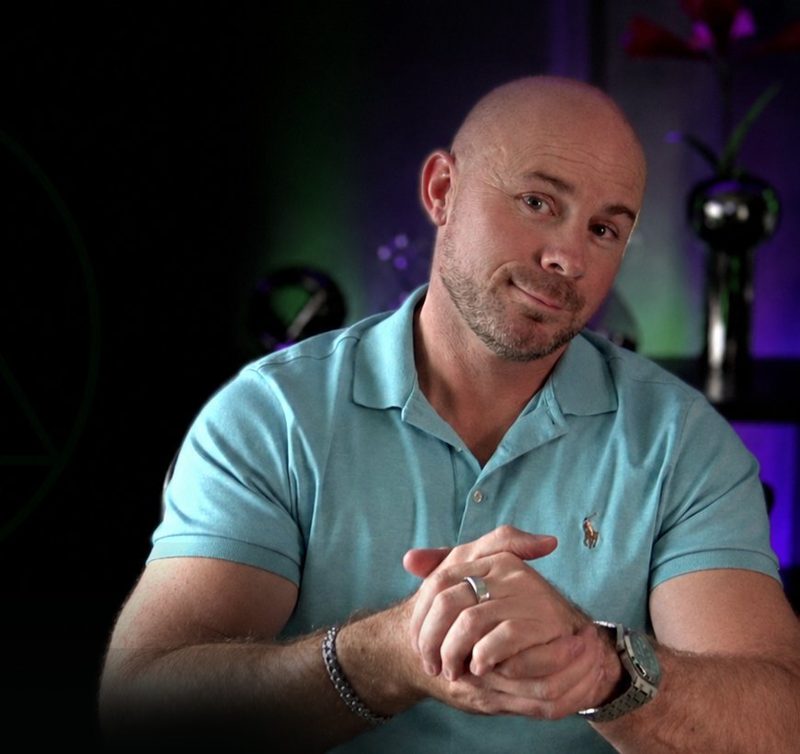
If you’ve tried to talk yourself out of this fear and it hasn’t worked, that isn’t a lack of willpower. A phobia is an alarm your mind learned, and logic alone rarely switches it off.
When a fear is less common, it can be harder to explain, so you may not have told many people about it. I work one to one over Zoom with people whose fears are holding them back, including rarer ones like this, and every plan starts with understanding what your fear is really about.
I’ve spent 17 years in clinical practice and helped more than 1,000 people with phobias. I hold a Postgraduate Certificate and a Postgraduate Diploma in Clinical Hypnotherapy, both with Distinction, and journalists and clients call me the Phobia Guru.
Common questions
Can hierophobia come from bad experiences in a religious setting?
Sometimes. A fear of clergy can grow from feeling judged, frightened or mistreated in a religious setting, especially in childhood. If that may be part of it, a GP or specialist counsellor can help, at whatever pace feels right.
How can you help?
I use hypnotherapy and NLP to change how your mind responds to the thing you fear, so the old alarm stops going off. Sessions are one to one over Zoom, and you get a recording of the hypnosis to listen to afterwards.
How many sessions will I need?
Many clients notice a real difference after one 90 minute session. If the fear goes back a long way, three sessions gives us room to make the change stick.
Further reading: IOCDF: What is OCD and scrupulosity · NHS: Phobias · Mind: Understanding phobias
Ready to start?
A short call is the simplest next step. We’ll talk about your fear, what you’d like to feel instead, and whether I’m the right person to help.
- Take the free test at the top of this page to see how strong your fear is.
- Book a 30 minute call. Use code PHOBIA at checkout for half price: £24.50 instead of £49 ($29.50 outside the UK).
- Start your sessions over Zoom from wherever you live, or face to face in Hertfordshire.
See all session options and prices