
Fear of property (orthophobia)
Orthophobia is listed as a fear of property. This could mean anxiety about owning things, about the responsibility of a home, or about damaging or losing possessions. In practice it might show up as stress over buying a house or a reluctance to own anything of value.
Many people find that with the right help, owning and looking after things feels manageable rather than heavy.
Use code PHOBIA at checkout for half price: £24.50 instead of £49. Outside the UK? $29.50.
About this phobia
The term is rarely reported and is found mainly on lists of phobias. The prefix ortho usually means straight or correct, so the link to property is unclear, and different lists may use the word differently. It may overlap with general worries about money, responsibility and loss.
How it shows up
Orthophobia is a little-known term with an unclear meaning, so it may cover several kinds of worry. For some people it is a fear of owning things and the duty that comes with them, while for others it is dread about losing or damaging what they already have. It tends to surface during big decisions, such as buying a home or a car, or taking on a mortgage. Most people feel some stress about money and possessions, but this fear can make even sensible choices feel impossible.
Common triggers
- Buying a home or car
- Signing contracts or loans
- Owning valuable items
- Home repairs and upkeep
- Damage or loss of belongings
- Insurance renewals
Where it shows up
- Estate agents and banks
- Moving day
- Home improvement shops
- Tax and bill season
- Family talks about inheritance
Symptoms
In your body
- Tight stomach
- Racing heart
- Trouble sleeping
- Tension headaches
In your mind
- Worry about money and responsibility
- Fear of losing what you have
- Doubt about making the right choice
What you might do
- Putting off big decisions
- Renting rather than buying
- Avoiding valuable things
- Checking locks or belongings often
What may cause it
There is no research on this term, and lists of phobias define it in different ways. Worries about money, debt and responsibility are common, and can grow from past hardship, a family history of money trouble or a big loss such as a burglary or a house fire. A general tendency to worry, or a strong need to be sure before acting, can also play a part. Putting off decisions can calm things in the short term but tends to keep the stress going.
How it can affect your life
The fear can hold back plans such as moving home, starting a family or setting up a business. It may also cause tension between partners who see money and ownership differently. Some people live with less comfort or security than they could, just to avoid the worry.
Related fears
- Fear of money (chrometophobia)
- Fear of responsibility (hypengyophobia)
- Fear of making decisions (decidophobia)
- Fear of losing things
Things that can help day to day
- Break big decisions into small steps and take one at a time
- Speak to a free, independent money advice service before major choices
- Write down what you fear might happen and what you could do if it did
- Talk things through with someone you trust who is calm about money
When to get help
If worry about money or property is affecting your sleep or mood, speak to a GP. Free debt and money advice services can also help.
Explore more unusual fears in the rare phobias A to Z, or browse the common phobias.
About me
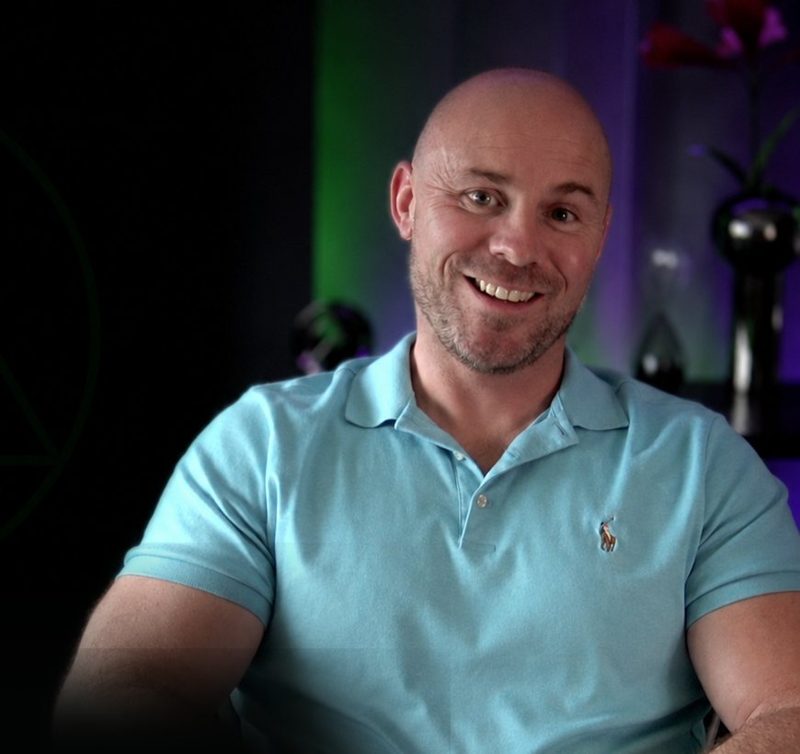
If you’ve tried to talk yourself out of this fear and it hasn’t worked, that isn’t a lack of willpower. A phobia is an alarm your mind learned, and logic alone rarely switches it off.
When a fear is less common, it can be harder to explain, so you may not have told many people about it. I work one to one over Zoom with people whose fears are holding them back, including rarer ones like this, and every plan starts with understanding what your fear is really about.
I’ve spent 17 years in clinical practice and helped more than 1,000 people with phobias. I hold a Postgraduate Certificate and a Postgraduate Diploma in Clinical Hypnotherapy, both with Distinction, and journalists and clients call me the Phobia Guru.
Common questions
Is orthophobia a real phobia?
It is a term found on lists of phobias rather than a recognised clinical diagnosis. Even so, worry about owning or looking after property is real for some people, and it can be worked on like other anxieties.
How can you help?
I use hypnotherapy and NLP to change how your mind responds to the thing you fear, so the old alarm stops going off. Sessions are one to one over Zoom, and you get a recording of the hypnosis to listen to afterwards.
How many sessions will I need?
Many clients notice a real difference after one 90 minute session. If the fear goes back a long way, three sessions gives us room to make the change stick.
Further reading: NHS: Phobias · Mind: About phobias
Ready to start?
A short call is the simplest next step. We’ll talk about your fear, what you’d like to feel instead, and whether I’m the right person to help.
- Take the free test at the top of this page to see how strong your fear is.
- Book a 30 minute call. Use code PHOBIA at checkout for half price: £24.50 instead of £49 ($29.50 outside the UK).
- Start your sessions over Zoom from wherever you live, or face to face in Hertfordshire.
See all session options and prices