
Fear of prostitutes or venereal disease (cypridophobia)
Cypridophobia is listed as a fear of prostitutes or of venereal disease, which today is usually called sexually transmitted infection. It might show up as worry about catching an infection, avoiding intimacy, or distress around anything connected with sex work. Any real symptoms or health concerns are best checked with a GP or a sexual health clinic.
Many people find that with the right help, and with sensible checks from a sexual health clinic, the worry eases and closeness feels safer.
Use code PHOBIA at checkout for half price: £24.50 instead of £49. Outside the UK? $29.50.
About this phobia
The word is usually linked to Cypris, an old name for the goddess Aphrodite. It is rarely reported and found mostly on lists, and it oddly combines two separate fears in one term. Related fears on the same lists include a fear of sexually transmitted infection on its own and a wider fear of intimacy.
How it shows up
Most people take sensible care with their sexual health, but cypridophobia turns that care into constant worry. Some people fear they have caught an infection even after a clear test, or when there has been little or no risk. Others feel strong unease about sex work, or about anyone they imagine might carry an infection. The fear can sit quietly for years and then flare up with a new relationship, a news story or a small physical change.
Common triggers
- A new relationship or partner
- Health stories about infections
- Small changes in the genital area
- Waiting for test results
- Programmes or adverts about sex work
- Shared toilets or towels
Where it shows up
- Early dating and intimate moments
- Sexual health clinics and GP surgeries
- Late night online searches
- Red light districts when travelling
- Conversations about sex among friends
Symptoms
In your body
- Racing heart
- Tight chest
- Upset stomach
- Trouble sleeping
- Noticing every body sensation
In your mind
- Doubting clear test results
- Picturing serious illness
- Guilt or shame about past encounters
- Looping what if thoughts
What you might do
- Avoiding intimacy or new relationships
- Repeated testing or body checking
- Searching symptoms online
- Over cleaning shared spaces
What may cause it
Shame and secrecy around sex can make worries about infection harder to talk through, which gives them room to grow. A past scare, a partner’s diagnosis or strict messages about sex in childhood can all play a part. A closely related term, venereophobia, does appear in some clinical papers, and the pattern is generally understood as a form of health anxiety. Cypridophobia itself, as a combined fear of sex work and infection, has very little research.
How it can affect your life
It can make dating and close relationships feel unsafe, and put strain on a partner who is asked for reassurance again and again. Some people spend a lot of time and money on tests or searching for answers.
Related fears
- Fear of sexually transmitted infection (venereophobia)
- Fear of intimacy
- Fear of germs (mysophobia)
- Fear of illness (nosophobia)
Things that can help day to day
- Get tested at a sexual health clinic or through your GP, then commit to trusting the result
- Cut back on symptom searching, which tends to fuel worry rather than settle it
- Talk openly with a partner about testing and protection
- Write the worry down and set a time later in the day to look at it
When to get help
For any symptoms or concerns about your sexual health, a GP or sexual health clinic is the right first step, and both are confidential. If worry carries on after clear results, a therapist experienced with health anxiety can help.
Explore more unusual fears in the rare phobias A to Z, or browse the common phobias.
About me
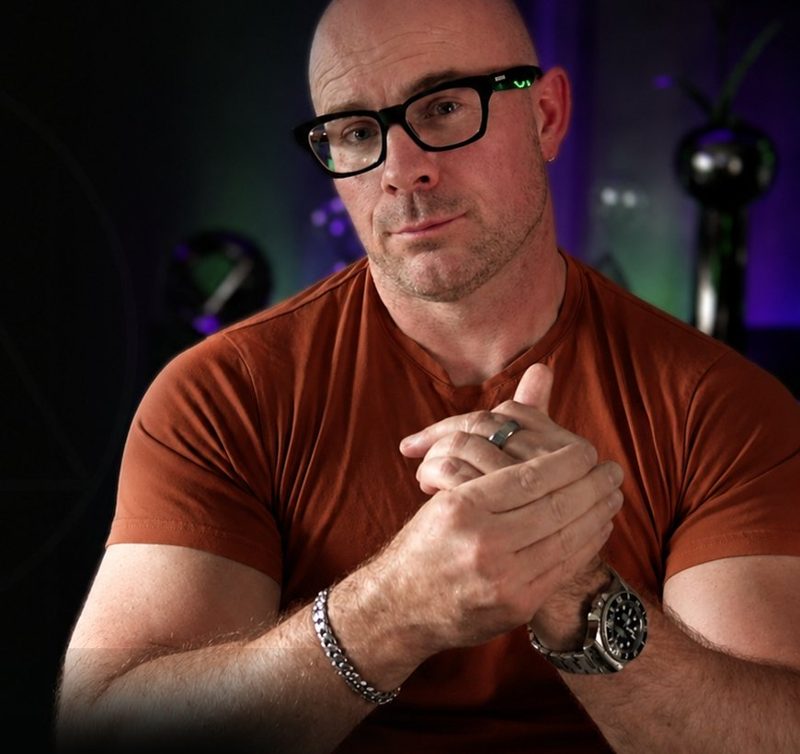
If you’ve tried to talk yourself out of this fear and it hasn’t worked, that isn’t a lack of willpower. A phobia is an alarm your mind learned, and logic alone rarely switches it off.
When a fear is less common, it can be harder to explain, so you may not have told many people about it. I work one to one over Zoom with people whose fears are holding them back, including rarer ones like this, and every plan starts with understanding what your fear is really about.
I’ve spent 17 years in clinical practice and helped more than 1,000 people with phobias. I hold a Postgraduate Certificate and a Postgraduate Diploma in Clinical Hypnotherapy, both with Distinction, and journalists and clients call me the Phobia Guru.
Common questions
Who can help with a fear of sexually transmitted infections?
A GP or local sexual health clinic can give clear, confidential information and testing, which often settles worries rooted in uncertainty. If the fear is linked to something that happened to you, a GP or a specialist counsellor can help. Talking it through with someone trained in this area can make it feel less isolating.
How can you help?
I use hypnotherapy and NLP to change how your mind responds to the thing you fear, so the old alarm stops going off. Sessions are one to one over Zoom, and you get a recording of the hypnosis to listen to afterwards.
How many sessions will I need?
Many clients notice a real difference after one 90 minute session. If the fear goes back a long way, three sessions gives us room to make the change stick.
Further reading: Clinical Scenario of Venerophobia in Patients Presenting in Outpatient Department (Journal of Nepal Health Research Council)
Ready to start?
A short call is the simplest next step. We’ll talk about your fear, what you’d like to feel instead, and whether I’m the right person to help.
- Take the free test at the top of this page to see how strong your fear is.
- Book a 30 minute call. Use code PHOBIA at checkout for half price: £24.50 instead of £49 ($29.50 outside the UK).
- Start your sessions over Zoom from wherever you live, or face to face in Hertfordshire.
See all session options and prices