
Fear of punishment (mastigophobia)
Mastigophobia is a fear of punishment. It might show up as intense worry about being told off at work, dreading any mistake, or feeling like a child in trouble when a manager or partner seems displeased.
Many people find that with the right help, a mistake at work or a telling off becomes something they can handle and move on from.
Use code PHOBIA at checkout for half price: £24.50 instead of £49. Outside the UK? $29.50.
About this phobia
The name comes from the Greek mastix, meaning whip. It is a rare term found mostly on phobia lists. A fear of punishment can grow from strict or harsh experiences earlier in life, and it can overlap with perfectionism and fear of authority.
How it shows up
Fear of getting into trouble is something most people feel now and then. With mastigophobia, the worry is constant and strong, and even small slips can bring on dread. The person may replay conversations, apologise often or work late to avoid any chance of criticism. Grown adults may find themselves feeling small and frightened in a way that echoes childhood.
Common triggers
- Being called into a meeting without warning
- A short or blunt message from a boss
- Making a small mistake
- Raised voices
- Missing a deadline
- Hearing that someone is unhappy with you
- Annual reviews or appraisals
Where it shows up
- Work, especially with a strict manager
- School or college
- Family homes
- Close relationships
- Dealings with police or officials
- Driving when police are nearby
Symptoms
In your body
- Churning stomach
- Racing heart
- Shaking
- Hot, flushed face
- Feeling faint
In your mind
- Expecting blame or anger
- Replaying mistakes over and over
- Feeling like a child in trouble
- Harsh self-criticism
What you might do
- Over-apologising
- Avoiding people in authority
- Hiding mistakes
- Working extra hours to stay out of trouble
What may cause it
There is little research on mastigophobia itself, but fear of punishment is closely linked to harsh, unpredictable or frightening experiences earlier in life. Growing up with strict rules, shouting or physical punishment can teach the body to stay on alert for trouble. Perfectionism and a deep fear of failing can keep this going into adult life. When nothing bad happens, the person may credit their constant effort rather than learning that they are safe.
How it can affect your life
The fear can make work very stressful and lead to burnout from trying to be perfect. In relationships it may cause people to hide their feelings or avoid any disagreement. Some people turn down promotions or new chances because more responsibility feels like more risk of blame.
Related fears
- Fear of people in authority
- Fear of failure (atychiphobia)
- Fear of criticism (enissophobia)
- Social anxiety
Things that can help day to day
- Write down what actually happened after a mistake, not what you feared
- Practise owning a mistake out loud in a calm, simple way
- Speak to yourself as you would to a friend
- Check the facts with a trusted colleague before assuming the worst
When to get help
If the fear is linked to past mistreatment, a GP or a specialist counsellor can help. A therapist can also help with the habits of fear and self-blame that remain.
Explore more unusual fears in the rare phobias A to Z, or browse the common phobias.
About me
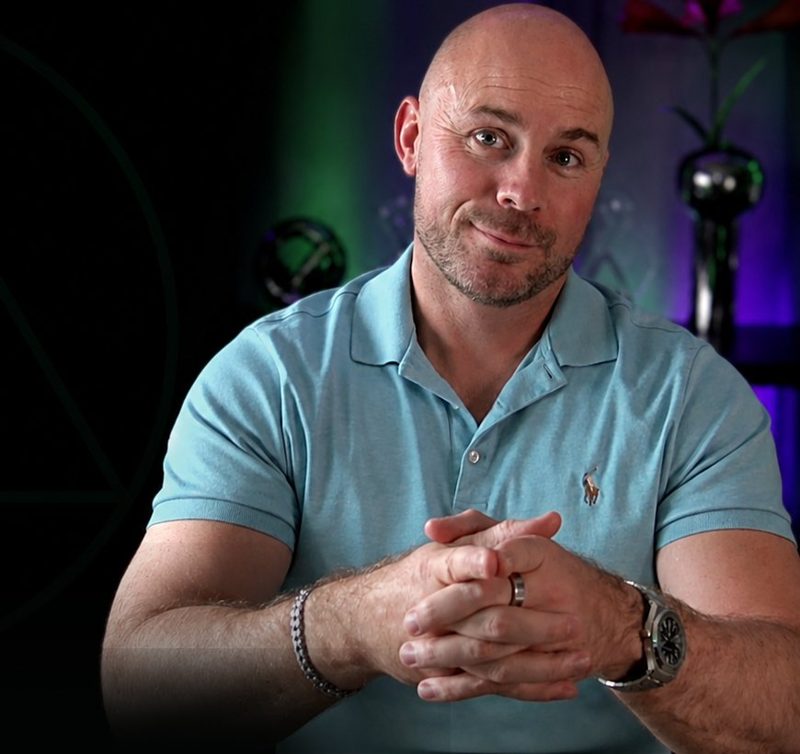
If you’ve tried to talk yourself out of this fear and it hasn’t worked, that isn’t a lack of willpower. A phobia is an alarm your mind learned, and logic alone rarely switches it off.
When a fear is less common, it can be harder to explain, so you may not have told many people about it. I work one to one over Zoom with people whose fears are holding them back, including rarer ones like this, and every plan starts with understanding what your fear is really about.
I’ve spent 17 years in clinical practice and helped more than 1,000 people with phobias. I hold a Postgraduate Certificate and a Postgraduate Diploma in Clinical Hypnotherapy, both with Distinction, and journalists and clients call me the Phobia Guru.
Common questions
Can a fear of punishment come from childhood?
It can. Growing up with harsh discipline or unpredictable reactions can leave the body on alert for trouble well into adult life. If this fear is linked to past mistreatment, a GP or specialist counsellor can help.
How can you help?
I use hypnotherapy and NLP to change how your mind responds to the thing you fear, so the old alarm stops going off. Sessions are one to one over Zoom, and you get a recording of the hypnosis to listen to afterwards.
How many sessions will I need?
Many clients notice a real difference after one 90 minute session. If the fear goes back a long way, three sessions gives us room to make the change stick.
Further reading: Cleveland Clinic: Atychiphobia (fear of failure) · NHS: Social anxiety · NHS: Phobias
Ready to start?
A short call is the simplest next step. We’ll talk about your fear, what you’d like to feel instead, and whether I’m the right person to help.
- Take the free test at the top of this page to see how strong your fear is.
- Book a 30 minute call. Use code PHOBIA at checkout for half price: £24.50 instead of £49 ($29.50 outside the UK).
- Start your sessions over Zoom from wherever you live, or face to face in Hertfordshire.
See all session options and prices