
Fear of puppets (pupaphobia)
En español: lee sobre este miedo en Fobias.org.
Pupaphobia is a fear of puppets, from glove puppets and marionettes to ventriloquist dummies. The fixed faces, jerky movements and sense that something lifeless is acting alive can feel deeply unsettling. It may mean skipping children’s shows, theatre trips or certain toy shops.
Many people find that with the right help, a puppet show or a ventriloquist becomes something they can watch calmly.
Use code PHOBIA at checkout for half price: £24.50 instead of £49. Outside the UK? $29.50.
About this phobia
The name seems to borrow from the Latin pupa, meaning doll, the same root behind the word puppet. Like many rare phobia names, it is mostly found on lists rather than in clinical writing. It is closely related to pediophobia, a fear of dolls, and to automatonophobia, a fear of figures that imitate people.
How it shows up
For someone with this fear, a puppet is not just a toy but something that seems to be watching, about to move on its own, or hiding something behind its painted smile. Ventriloquist dummies are a common focus because they talk and turn their heads while the operator’s lips barely move. Plenty of people find puppets a bit creepy, but here the reaction can mean walking out of a theatre, skipping a child’s party or being unable to watch certain programmes. Some react only to puppets in person, while others are unsettled by them on screen too.
Common triggers
- Ventriloquist dummies
- Marionettes moving on strings
- Glove puppets with wide, fixed eyes
- Puppets used in horror films
- A puppet left sitting in a chair
- A puppet suddenly turning its head
Where it shows up
- Children’s theatre and puppet shows
- Seaside Punch and Judy shows
- Toy shops and museums
- Children’s television
- Birthday parties and school events
Symptoms
In your body
- Racing heart
- Cold, shivery feeling
- Dry mouth
- Frozen, tense posture
- Urge to leave the room
In your mind
- Sense of being watched
- Worry it might move by itself
- Unsettling images at bedtime
What you might do
- Leaving or avoiding shows
- Turning puppets to face the wall
- Switching off programmes
- Refusing to stay in a room with one
What may cause it
Research on this fear itself is thin, but the idea of the uncanny valley is often used to explain it: figures that look almost human, but not quite, can feel eerie. Horror films that cast dummies and dolls as villains may strengthen the link. A frightening moment in childhood, such as a puppet popping up without warning, can also play a part. Staying away from puppets stops the mind from learning that they are harmless.
How it can affect your life
Parents with this fear may struggle with children’s shows, toys and parties, which can bring guilt or awkward explanations. It can also rule out some theatre trips, museum visits and films. Some people find the fear lingers after an encounter, making it harder to settle at night.
Related fears
- Fear of dolls (pediophobia)
- Fear of human-like figures (automatonophobia)
- Fear of clowns (coulrophobia)
- Fear of masks (maskaphobia)
Things that can help day to day
- Start with friendly cartoon puppets before lifelike ones
- Watch how a puppet is worked so you can see the hand inside it
- Hold a soft glove puppet and move it yourself for a minute or two
- Have a calm breathing pattern ready before shows or parties
When to get help
If puppets are causing nightmares or getting in the way of time with children, talking therapy or hypnotherapy can help. A gradual, gentle approach usually works best.
Explore more unusual fears in the rare phobias A to Z, or browse the common phobias.
About me
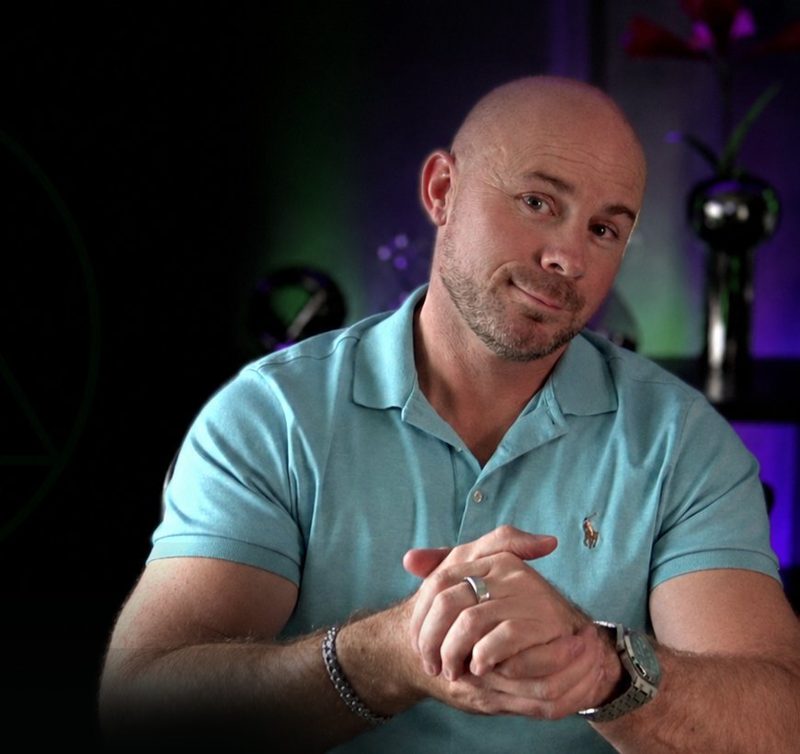
If you’ve tried to talk yourself out of this fear and it hasn’t worked, that isn’t a lack of willpower. A phobia is an alarm your mind learned, and logic alone rarely switches it off.
When a fear is less common, it can be harder to explain, so you may not have told many people about it. I work one to one over Zoom with people whose fears are holding them back, including rarer ones like this, and every plan starts with understanding what your fear is really about.
I’ve spent 17 years in clinical practice and helped more than 1,000 people with phobias. I hold a Postgraduate Certificate and a Postgraduate Diploma in Clinical Hypnotherapy, both with Distinction, and journalists and clients call me the Phobia Guru.
Common questions
Why do puppets frighten some people?
Puppets look almost human but not quite, and that gap can feel eerie. Horror films that use dummies may add to it, as can a scare in childhood. The fear is real for the person who feels it, however odd it may sound to others.
How can you help?
I use hypnotherapy and NLP to change how your mind responds to the thing you fear, so the old alarm stops going off. Sessions are one to one over Zoom, and you get a recording of the hypnosis to listen to afterwards.
How many sessions will I need?
Many clients notice a real difference after one 90 minute session. If the fear goes back a long way, three sessions gives us room to make the change stick.
Further reading: Wikipedia: Fear of dolls · Anxiety UK: Phobias · NHS: Phobias
Ready to start?
A short call is the simplest next step. We’ll talk about your fear, what you’d like to feel instead, and whether I’m the right person to help.
- Take the free test at the top of this page to see how strong your fear is.
- Book a 30 minute call. Use code PHOBIA at checkout for half price: £24.50 instead of £49 ($29.50 outside the UK).
- Start your sessions over Zoom from wherever you live, or face to face in Hertfordshire.
See all session options and prices