
Fear of rabies or going mad (lyssophobia)
En español: lee sobre este miedo en Fobias.org.
Lyssophobia is a fear of rabies or of going mad. It might show up as worry after any animal scratch, or as a nagging fear of losing control of the mind. Any real bite or symptoms should be checked with a GP or NHS 111, and the same goes for worries about mental health.
Many people find that with the right help, a scratch or a strange thought stops setting off alarm, and they feel steady again.
Use code PHOBIA at checkout for half price: £24.50 instead of £49. Outside the UK? $29.50.
About this phobia
The name comes from lyssa, an old word for rabies that also carried a sense of madness or rage, which is why older writers used the term for both meanings. It is a rare term today. The fear of going mad is now more often discussed as part of anxiety, where people worry that their thoughts mean they are losing control.
How it shows up
This fear can take two forms that sometimes overlap. One person may worry for days after a cat scratch or a dog nip, convinced they have caught rabies even when the risk is very low. Another may be troubled by a sense that their mind is slipping, reading every odd thought or strong feeling as proof they are losing their grip. Both forms share the same pattern of alarm, checking and seeking reassurance.
Common triggers
- A scratch, nip or lick from an animal
- Contact with bats
- Travel to countries where rabies is found
- Unusual or unwanted thoughts
- Feeling detached or unreal during stress
- Stories about mental illness in films or news
- Seeing a stray dog or cat
Where it shows up
- Parks and places with dogs
- Holidays abroad
- Quiet times alone with racing thoughts
- Late at night
- Online health forums
- Friends’ homes with pets
Symptoms
In your body
- Racing heart
- Tingling caused by anxiety
- Feeling unreal or spaced out
- Trouble sleeping
- Tight chest
In your mind
- Fear of losing control of the mind
- Certainty that something is wrong despite reassurance
- Checking thoughts for signs of madness
- Worry that others will notice something is wrong
What you might do
- Avoiding animals
- Seeking repeated medical reassurance
- Searching symptoms online
- Avoiding films or talk about mental health
What may cause it
The term is rare and has had little modern study. The fear of rabies may follow a bite or scratch, a frightening story or travel warnings. The fear of going mad is common in anxiety and panic, where strange body sensations and racing thoughts can feel like a loss of control, even though they are a known part of anxiety. Checking and reassurance help briefly but tend to keep the worry going.
How it can affect your life
People may avoid pets, travel or friends’ homes, or spend hours checking their health. The fear of going mad can be very lonely, as people may be afraid to say it out loud. Both forms can lead to many medical visits that bring only short-lived relief.
Related fears
- Health anxiety
- Fear of dogs (cynophobia)
- Fear of illness (nosophobia)
- Fear of losing control, often part of panic disorder
Things that can help day to day
- Follow NHS advice after any animal bite, then let the matter rest
- Remind yourself that anxiety can make the mind feel strange without anything being wrong
- Share the worry with someone you trust
- Use slow breathing to settle racing thoughts
When to get help
Any animal bite or scratch, especially abroad, should be checked with your GP or NHS 111. If you are worried about your mental health, your GP is a good first step and can help you find the right support.
Explore more unusual fears in the rare phobias A to Z, or browse the common phobias.
About me
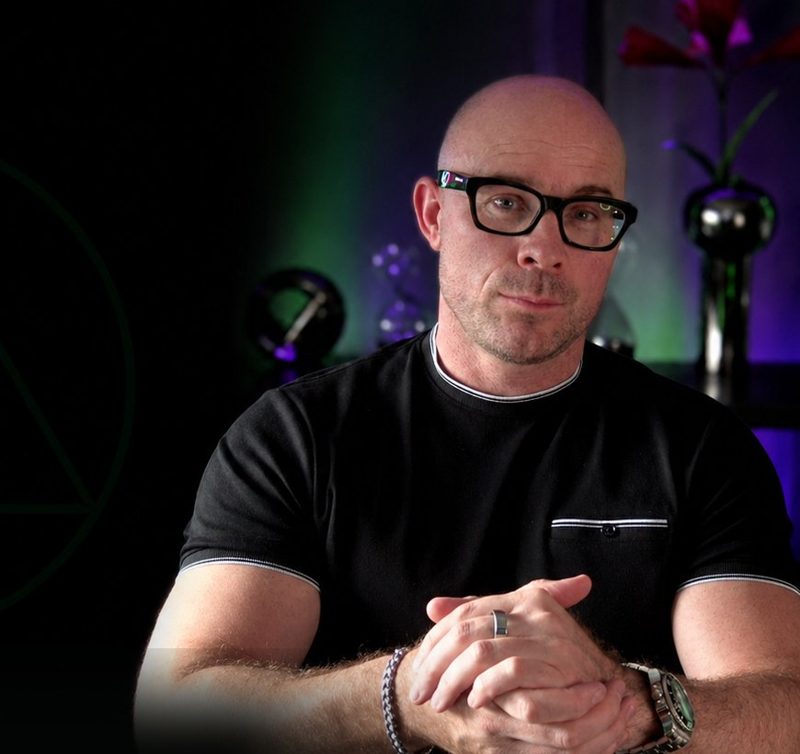
If you’ve tried to talk yourself out of this fear and it hasn’t worked, that isn’t a lack of willpower. A phobia is an alarm your mind learned, and logic alone rarely switches it off.
When a fear is less common, it can be harder to explain, so you may not have told many people about it. I work one to one over Zoom with people whose fears are holding them back, including rarer ones like this, and every plan starts with understanding what your fear is really about.
I’ve spent 17 years in clinical practice and helped more than 1,000 people with phobias. I hold a Postgraduate Certificate and a Postgraduate Diploma in Clinical Hypnotherapy, both with Distinction, and journalists and clients call me the Phobia Guru.
Common questions
Does worrying about going mad mean it is happening?
Fear of losing control is a common part of anxiety, and it is usually a sign of anxiety rather than of someone losing their mind. A GP can talk through the worry and look at any real symptoms. Rabies, meanwhile, is not found in UK land animals, although some bats can carry a related virus.
How can you help?
I use hypnotherapy and NLP to change how your mind responds to the thing you fear, so the old alarm stops going off. Sessions are one to one over Zoom, and you get a recording of the hypnosis to listen to afterwards.
How many sessions will I need?
Many clients notice a real difference after one 90 minute session. If the fear goes back a long way, three sessions gives us room to make the change stick.
Further reading: NHS: Rabies · NHS: Health anxiety · NHS: Panic disorder
Ready to start?
A short call is the simplest next step. We’ll talk about your fear, what you’d like to feel instead, and whether I’m the right person to help.
- Take the free test at the top of this page to see how strong your fear is.
- Book a 30 minute call. Use code PHOBIA at checkout for half price: £24.50 instead of £49 ($29.50 outside the UK).
- Start your sessions over Zoom from wherever you live, or face to face in Hertfordshire.
See all session options and prices