
Fear of radiation and X-rays (radiophobia)
En español: lee sobre este miedo en Fobias.org.
Radiophobia is a fear of radiation, including the X-rays and scans used in medicine. It can lead people to turn down dental X-rays or hospital scans, worry about phone masts and household devices, or feel strong alarm at news about nuclear power. Questions about whether a scan is really needed are reasonable, and a GP or the clinician ordering it can talk through the reasons.
Many people find that with the right help, they can have the scan or X-ray their doctor recommends feeling calm and informed.
Use code PHOBIA at checkout for half price: £24.50 instead of £49. Outside the UK? $29.50.
About this phobia
Unlike many rare phobia names, radiophobia does turn up in medical and public health writing, often to describe anxiety about radiation that is out of proportion to the actual risk. It has been discussed in relation to patients avoiding imaging and to public reactions after nuclear accidents. The term covers both a personal fear and wider public worry.
How it shows up
For someone with this fear, the word radiation can bring up images of disaster even when the real dose is very small. They may refuse a dental X-ray, worry for days after a scan, or move their bed away from a router or wall socket. Part of the problem is that radiation cannot be seen, felt or smelled, so it feels impossible to judge. Asking about the risks of a scan is reasonable, but the fear becomes a problem when it stops someone getting care they need.
Common triggers
- Dental and hospital X-rays
- CT scans and other imaging tests
- Phone masts and Wi-Fi routers
- News about nuclear power or accidents
- Airport security scanners
- Hazard signs and warning symbols
- Talk of radiation in documentaries
Where it shows up
- Dental surgeries and hospitals
- Airports
- Areas near power stations
- Home, around phones and devices
- Reading news and forums online
- Waiting rooms before a scan
Symptoms
In your body
- Racing heart before appointments
- Sweating
- Poor sleep after a scan
- Knotted stomach
- Shaky hands in waiting rooms
In your mind
- Fear of hidden long-term harm
- Distrust of reassurance
- Going over past exposure again and again
- Doubting the need for any test
What you might do
- Cancelling or refusing scans
- Avoiding flying
- Researching radiation levels for hours
- Banning devices from certain rooms
What may cause it
Radiophobia is one of the few rare fear names that turns up in public health writing, where it describes worry greater than the actual risk. Frightening coverage of nuclear accidents, films, and the invisible nature of radiation can all feed it. Conflicting claims online make it hard to know which information to trust. A worry about cancer, or a past illness, can add to the fear.
How it can affect your life
The biggest risk is missing scans or dental checks that could spot problems early. It can also affect travel, some jobs, and peace of mind at home. Family members may feel worried or frustrated when someone they love keeps turning down tests their doctor has suggested.
Related fears
- Fear of cancer (carcinophobia)
- Health anxiety
- Fear of medical procedures
- Fear of nuclear weapons (nucleomitophobia)
Things that can help day to day
- Ask the clinician why the test is needed and what it involves
- Get information from NHS or other official health sources rather than forums
- Set a time limit on reading about radiation online each day
- Take a friend or relative with you to appointments for support
When to get help
If fear is leading you to skip scans or checks, talk to your GP or the clinician who asked for the test before deciding. A GP can also suggest talking therapy if the worry keeps coming back.
Explore more unusual fears in the rare phobias A to Z, or browse the common phobias.
About me
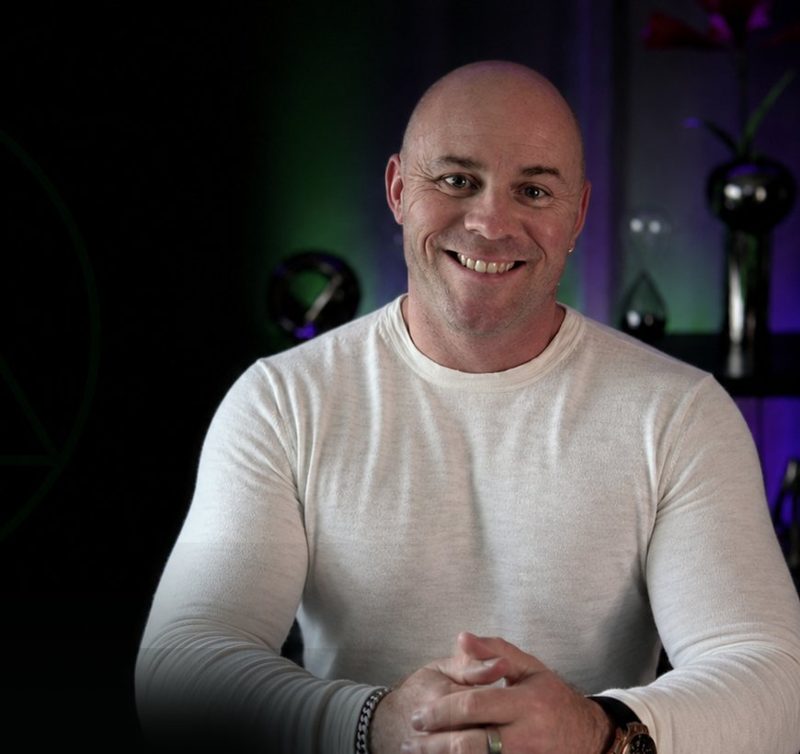
If you’ve tried to talk yourself out of this fear and it hasn’t worked, that isn’t a lack of willpower. A phobia is an alarm your mind learned, and logic alone rarely switches it off.
When a fear is less common, it can be harder to explain, so you may not have told many people about it. I work one to one over Zoom with people whose fears are holding them back, including rarer ones like this, and every plan starts with understanding what your fear is really about.
I’ve spent 17 years in clinical practice and helped more than 1,000 people with phobias. I hold a Postgraduate Certificate and a Postgraduate Diploma in Clinical Hypnotherapy, both with Distinction, and journalists and clients call me the Phobia Guru.
Common questions
Should I refuse an X-ray if I am scared of radiation?
It is fine to ask why a scan is needed and whether there are alternatives. Turning down imaging that a doctor feels is important can mean a problem is missed, so it is worth talking it through with them or your GP before deciding. Working on the fear itself can make those conversations easier.
How can you help?
I use hypnotherapy and NLP to change how your mind responds to the thing you fear, so the old alarm stops going off. Sessions are one to one over Zoom, and you get a recording of the hypnosis to listen to afterwards.
How many sessions will I need?
Many clients notice a real difference after one 90 minute session. If the fear goes back a long way, three sessions gives us room to make the change stick.
Further reading: PMC: Fear of medical imaging radiation scale · NHS: X-ray · NHS: Health anxiety
Ready to start?
A short call is the simplest next step. We’ll talk about your fear, what you’d like to feel instead, and whether I’m the right person to help.
- Take the free test at the top of this page to see how strong your fear is.
- Book a 30 minute call. Use code PHOBIA at checkout for half price: £24.50 instead of £49 ($29.50 outside the UK).
- Start your sessions over Zoom from wherever you live, or face to face in Hertfordshire.
See all session options and prices