
Fear of razors (xyrophobia)
Xyrophobia is a fear of razors. It might mean avoiding shaving altogether, using only electric shavers or other hair removal methods, or feeling tense at the barber when a blade comes near the skin.
Many people find that with the right help, shaving becomes a calm part of the routine.
Use code PHOBIA at checkout for half price: £24.50 instead of £49. Outside the UK? $29.50.
About this phobia
This is a rarely reported term found mainly on lists of phobias. The fear is closely related to aichmophobia, the fear of sharp or pointed objects, and sometimes to a fear of cuts or of seeing blood.
How it shows up
Most people take a little care when using a razor. With xyrophobia, though, the sight or even the thought of a blade near the skin brings fear, tension or panic. Some people fear cuts and the sting that follows, while others feel uneasy about blades in general and cannot say exactly why. It differs from normal caution because it shapes grooming choices and can make barber visits or shaving very hard.
Common triggers
- Shaving the face or legs
- Barbers’ open razors
- Razor blades in packaging
- Film scenes involving razors
- Watching others shave
- Small nicks or cuts
- Disposable razors left in a bathroom
Where it shows up
- Bathrooms
- Barbers
- Salons
- Shops selling razors
- Gyms and changing rooms
- Hospital or clinic visits that involve shaving
Symptoms
In your body
- Shaky hands
- Tense muscles
- Racing heart
- Feeling faint
- Sweaty palms
In your mind
- Fear of cutting yourself
- Images of injury
- Dread before shaving
- Feeling clumsy or out of control with a blade
What you might do
- Avoiding shaving
- Using electric shavers or other methods
- Avoiding barbers
- Asking others to shave for you
What may cause it
Xyrophobia is rarely studied, and it is usually linked to fear of sharp objects or fear of blood and injury. A bad cut, seeing someone else hurt or frightening images in a film can start the fear. People who tend to feel faint at the sight of blood may be especially affected. Avoidance keeps the fear strong, because there is no chance to learn that careful shaving usually goes smoothly.
How it can affect your life
The fear can make grooming harder and limit barber or salon visits. It may also cause self-consciousness about appearance, especially where a clean-shaven look is expected at work. Some people spend a lot of time and money on other hair removal options just to avoid a blade.
Related fears
- Fear of sharp objects (aichmophobia)
- Fear of blood (haemophobia)
- Fear of injury (traumatophobia)
Things that can help day to day
- Use an electric shaver or other method that feels safe for now
- Tell your barber about the fear so they can take things slowly
- Practise slow breathing before and during grooming
- Take your time, sit down if you feel faint and use good light
When to get help
If the fear is causing distress or affecting daily life, speak to your GP or a therapist. If a skin problem makes shaving difficult, a GP or pharmacist can advise.
Explore more unusual fears in the rare phobias A to Z, or browse the common phobias.
About me
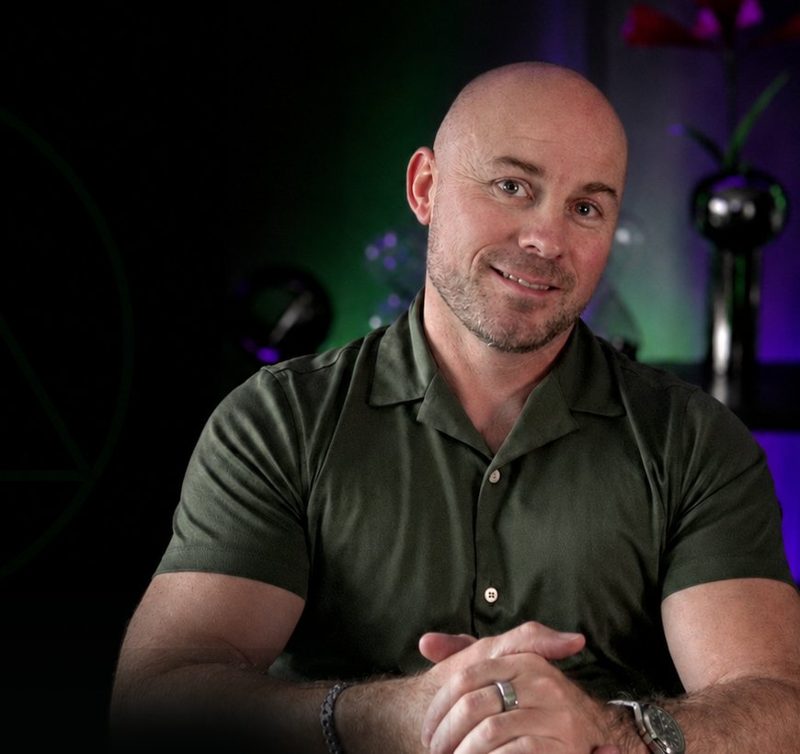
If you’ve tried to talk yourself out of this fear and it hasn’t worked, that isn’t a lack of willpower. A phobia is an alarm your mind learned, and logic alone rarely switches it off.
When a fear is less common, it can be harder to explain, so you may not have told many people about it. I work one to one over Zoom with people whose fears are holding them back, including rarer ones like this, and every plan starts with understanding what your fear is really about.
I’ve spent 17 years in clinical practice and helped more than 1,000 people with phobias. I hold a Postgraduate Certificate and a Postgraduate Diploma in Clinical Hypnotherapy, both with Distinction, and journalists and clients call me the Phobia Guru.
Common questions
What can I use instead of a razor if I am afraid of them?
Electric shavers, trimmers, creams and waxing are common alternatives that avoid an open blade. These can reduce day to day stress, though if the fear is spreading to other sharp objects it may be worth addressing directly.
How can you help?
I use hypnotherapy and NLP to change how your mind responds to the thing you fear, so the old alarm stops going off. Sessions are one to one over Zoom, and you get a recording of the hypnosis to listen to afterwards.
How many sessions will I need?
Many clients notice a real difference after one 90 minute session. If the fear goes back a long way, three sessions gives us room to make the change stick.
Further reading: Cleveland Clinic: Aichmophobia · Medical News Today: Aichmophobia · NHS: Phobias
Ready to start?
A short call is the simplest next step. We’ll talk about your fear, what you’d like to feel instead, and whether I’m the right person to help.
- Take the free test at the top of this page to see how strong your fear is.
- Book a 30 minute call. Use code PHOBIA at checkout for half price: £24.50 instead of £49 ($29.50 outside the UK).
- Start your sessions over Zoom from wherever you live, or face to face in Hertfordshire.
See all session options and prices