
Fear of rectal disease (proctophobia)
Proctophobia is a fear centred on the rectum and on the idea of rectal disease. It can show up as constant worry about bowel changes, dread of medical examinations, or avoiding any conversation about that part of the body. If you have real symptoms such as bleeding or a change in bowel habits, it is always worth checking them with a GP.
Many people find that with the right help, and after a sensible check with their GP, the worry eases and they can get on with life.
Use code PHOBIA at checkout for half price: £24.50 instead of £49. Outside the UK? $29.50.
About this phobia
The name comes from the Greek proktos, meaning anus or rectum, the same root used in the medical word proctology. It appears mainly on lists of phobias rather than in clinical writing. In practice it often overlaps with health anxiety and with a more general fear of illness.
How it shows up
Proctophobia is rarely talked about, partly because of embarrassment. A person may check their stool every time they go to the toilet, read a great deal about bowel conditions or dread any kind of examination. Paying attention to bowel changes is sensible and can help pick up problems early, but this fear brings constant worry even when nothing is wrong. Some people avoid the GP entirely, because the thought of an examination feels like too much.
Common triggers
- Changes in bowel habits
- Discomfort or itching
- News about bowel cancer
- Screening invitations
- Medical examinations
- Talk about that part of the body
- Seeing blood on toilet paper
Where it shows up
- The toilet
- GP surgeries and hospitals
- Reading health news
- Searching symptoms online
- At night
- Family conversations about health
Symptoms
In your body
- Stomach churning
- Tension
- Sweating
- Trouble sleeping
- Feeling faint at the thought of an examination
In your mind
- Fixing on bowel sensations
- Assuming the worst
- Embarrassment
- Worry about what a doctor will think
What you might do
- Checking often
- Avoiding examinations
- Searching symptoms
- Avoiding talking about it
What may cause it
There is little research on this as a separate fear, but it fits closely with health anxiety and fear of illness. A relative with bowel disease, an embarrassing medical experience or a news story about bowel cancer may all play a part. Embarrassment can stop people asking questions, which leaves room for worry to grow in silence. Frequent checking keeps attention locked on the body, so normal changes start to feel like warning signs.
How it can affect your life
The fear may lead people to avoid screening or appointments they actually need, which can mean worry goes on longer than it should. It can also take up time each day, with checking and searching, and cause real distress. Keeping it secret through embarrassment can make it feel even heavier.
Related fears
- Health anxiety (hypochondria)
- Fear of cancer (carcinophobia)
- Fear of doctors (iatrophobia)
- Fear of illness (nosophobia)
Things that can help day to day
- Remember that GPs deal with bowel concerns every day and are not shocked by them
- Write down your symptoms and questions to take to an appointment
- Ask for a chaperone or a full explanation before any examination
- Limit time spent searching symptoms online, where worst cases stand out
When to get help
See your GP about any bleeding, change in bowel habits or ongoing discomfort, and complete a bowel screening kit if you are sent one. If fear of examinations is stopping you going, tell the surgery so they can help.
Explore more unusual fears in the rare phobias A to Z, or browse the common phobias.
About me
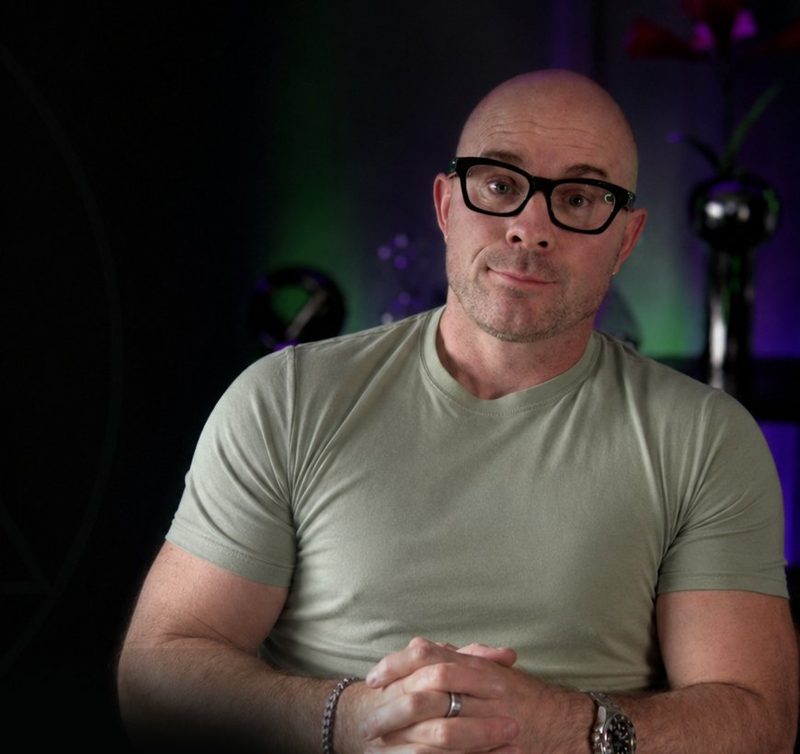
If you’ve tried to talk yourself out of this fear and it hasn’t worked, that isn’t a lack of willpower. A phobia is an alarm your mind learned, and logic alone rarely switches it off.
When a fear is less common, it can be harder to explain, so you may not have told many people about it. I work one to one over Zoom with people whose fears are holding them back, including rarer ones like this, and every plan starts with understanding what your fear is really about.
I’ve spent 17 years in clinical practice and helped more than 1,000 people with phobias. I hold a Postgraduate Certificate and a Postgraduate Diploma in Clinical Hypnotherapy, both with Distinction, and journalists and clients call me the Phobia Guru.
Common questions
Is proctophobia the same as health anxiety?
Not exactly, but the two often go together. Health anxiety covers worry about illness in general, while proctophobia is focused on one part of the body. Either way, getting real symptoms checked by a GP is the first step, and the fear itself can be worked on separately.
How can you help?
I use hypnotherapy and NLP to change how your mind responds to the thing you fear, so the old alarm stops going off. Sessions are one to one over Zoom, and you get a recording of the hypnosis to listen to afterwards.
How many sessions will I need?
Many clients notice a real difference after one 90 minute session. If the fear goes back a long way, three sessions gives us room to make the change stick.
Further reading: NHS: Bowel cancer · NHS: Piles (haemorrhoids) · NHS: Health anxiety
Ready to start?
A short call is the simplest next step. We’ll talk about your fear, what you’d like to feel instead, and whether I’m the right person to help.
- Take the free test at the top of this page to see how strong your fear is.
- Book a 30 minute call. Use code PHOBIA at checkout for half price: £24.50 instead of £49 ($29.50 outside the UK).
- Start your sessions over Zoom from wherever you live, or face to face in Hertfordshire.
See all session options and prices