
Fear of relatives (syngenesophobia)
Syngenesophobia is a fear of relatives, which might mean the wider family or particular family members. It can show up as dread before family gatherings, avoiding calls from relatives, or feeling tense and on guard around them.
Many people find that with the right help, family gatherings feel calmer and they can set boundaries with confidence.
Use code PHOBIA at checkout for half price: £24.50 instead of £49. Outside the UK? $29.50.
About this phobia
The term is built from Greek words relating to kin and is found mainly on lists of phobias, with little clinical writing behind it. Fears about family often sit alongside social anxiety or difficult past experiences rather than standing alone. Related list terms cover fears of particular relatives, such as stepparents or in-laws.
How it shows up
For most people, family brings a mix of warmth and irritation, and a little tension before a big gathering is normal. With syngenesophobia the feeling goes much further: the thought of seeing certain relatives brings real dread, a racing heart or a strong urge to escape, sometimes days in advance. Some people fear the whole extended family, while others feel fine with most relatives but freeze around one person. The difference from ordinary dislike is that the fear starts to shape choices, such as missing weddings, moving far away or cutting contact just to avoid the feeling.
Common triggers
- Invitations to family gatherings
- A particular relative calling or messaging
- Christmas and other holidays
- Personal questions at the dinner table
- Hearing a relative arrive at the door
- Talk of family duties or inheritance
- Old family photos or childhood homes
Where it shows up
- Weddings, funerals and christenings
- Christmas and birthday gatherings
- Visits to a parent or grandparent
- Family group chats
- Hospital visits involving relatives
Symptoms
In your body
- Tight chest or racing heart
- Churning stomach before a visit
- Poor sleep the night before
- Feeling hot, shaky or flushed
- Headaches after time with family
In your mind
- Replaying past arguments or comments
- Expecting criticism or judgement
- Feeling like a child again around certain people
- Guilt about not wanting to go
What you might do
- Making excuses to miss events
- Leaving gatherings early
- Screening calls from relatives
- Staying on guard and saying very little
What may cause it
Little research looks at this fear under its own name, so most of what is understood comes from wider work on anxiety and family relationships. Often it grows out of real experiences, such as harsh criticism, constant conflict, being compared with siblings, or a home where things did not feel safe. Social anxiety can also play a part, with family events feeling like a test you might fail. Avoiding relatives brings quick relief, which can quietly make the next meeting feel even harder.
How it can affect your life
This fear can lead to missed milestones, strain with a partner or children who want to see the wider family, and loneliness at times such as Christmas. Many people feel caught between a sense of duty and a need to protect themselves, which is tiring in its own right.
Related fears
- Fear of stepparents (vitricophobia and novercaphobia)
- Fear of in-laws (soceraphobia)
- Social anxiety
- Fear of conflict
Things that can help day to day
- Plan shorter visits with a set time to leave
- Bring a trusted person who understands
- Have a few safe topics ready in advance
- Give yourself quiet time to recover afterwards
When to get help
If dread of family is affecting your sleep, mood or relationships, talk to your GP or a qualified therapist. Where the fear is linked to past mistreatment, a GP or specialist counsellor can help you find the right support.
Explore more unusual fears in the rare phobias A to Z, or browse the common phobias.
About me
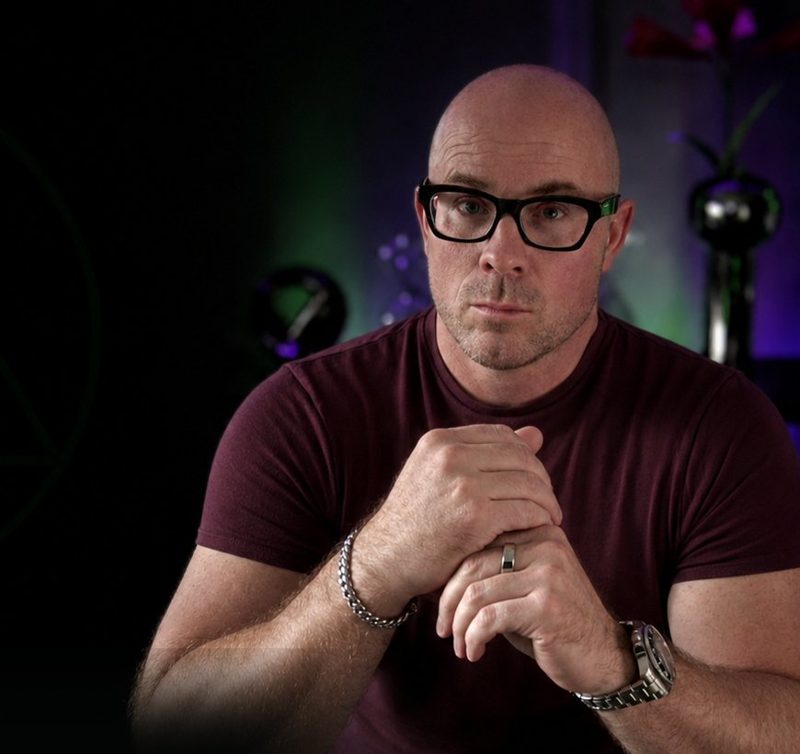
If you’ve tried to talk yourself out of this fear and it hasn’t worked, that isn’t a lack of willpower. A phobia is an alarm your mind learned, and logic alone rarely switches it off.
When a fear is less common, it can be harder to explain, so you may not have told many people about it. I work one to one over Zoom with people whose fears are holding them back, including rarer ones like this, and every plan starts with understanding what your fear is really about.
I’ve spent 17 years in clinical practice and helped more than 1,000 people with phobias. I hold a Postgraduate Certificate and a Postgraduate Diploma in Clinical Hypnotherapy, both with Distinction, and journalists and clients call me the Phobia Guru.
Common questions
Is it normal to be afraid of my relatives?
Many people find family time stressful, and feeling uneasy around certain relatives is more common than it seems. If the fear is linked to past mistreatment or something that happened in the family, a GP or a specialist counsellor can help in a safe and gentle way.
How can you help?
I use hypnotherapy and NLP to change how your mind responds to the thing you fear, so the old alarm stops going off. Sessions are one to one over Zoom, and you get a recording of the hypnosis to listen to afterwards.
How many sessions will I need?
Many clients notice a real difference after one 90 minute session. If the fear goes back a long way, three sessions gives us room to make the change stick.
Further reading: NHS: Social anxiety · NHS: Phobias
Ready to start?
A short call is the simplest next step. We’ll talk about your fear, what you’d like to feel instead, and whether I’m the right person to help.
- Take the free test at the top of this page to see how strong your fear is.
- Book a 30 minute call. Use code PHOBIA at checkout for half price: £24.50 instead of £49 ($29.50 outside the UK).
- Start your sessions over Zoom from wherever you live, or face to face in Hertfordshire.
See all session options and prices