
Fear of returning home (nostophobia)
Nostophobia is a fear of returning home. It may affect someone going back after travel, study or a long stay elsewhere, or someone who finds the family home stressful. The worry can build for days before a planned visit.
Many people find that with the right help, going home after time away feels settled and welcoming.
Use code PHOBIA at checkout for half price: £24.50 instead of £49. Outside the UK? $29.50.
About this phobia
The term comes from the Greek nostos, meaning homecoming, the same root as nostalgia. It is uncommon and mostly found on lists of phobias. It can overlap with general anxiety about change and with the unsettled feeling some people have after time abroad.
How it shows up
Going home is often thought of as comforting, which can make nostophobia hard to talk about. For some, the fear comes from slipping back into old roles or tensions after time away. For others, it is the shock of returning to a place that has changed, or that they have changed beyond. The dread can build for days or weeks before a trip and leave them feeling guilty for not looking forward to it.
Common triggers
- Booking a trip back home
- Returning after travel or study
- Family expectations and old arguments
- Visiting a childhood bedroom or street
- Holidays such as Christmas or Eid
- Questions about your life choices
Where it shows up
- Airports and train stations on the way back
- The family home
- Hometown streets and old haunts
- Holiday seasons
- The end of a long trip abroad
Symptoms
In your body
- Tight stomach
- Poor sleep before the trip
- Tension headaches
- Racing heart on arrival
In your mind
- Dread of old patterns returning
- Feeling like you no longer fit
- Guilt about not wanting to go back
What you might do
- Putting off visits
- Cutting stays short
- Finding reasons to stay away at holidays
- Keeping busy elsewhere while home
What may cause it
Very little has been written on this fear by name. Many people feel unsettled after time away, because home and they themselves have both moved on, a feeling often called reverse culture shock after living abroad. When home life was stressful or unsafe, returning can bring back old feelings and old roles very strongly. Avoiding visits can bring relief in the short term but may also add guilt and family tension.
How it can affect your life
The fear can strain family ties and make holidays a source of stress rather than rest. Some people feel torn between duty to relatives and their own wellbeing, and may spend the weeks before a visit unable to settle. Students and people working abroad may also struggle as the end of a term or contract draws near.
Related fears
- Fear of change (metathesiophobia)
- Fear of family gatherings
- Reverse culture shock
- Fear of being stuck in the past
Things that can help day to day
- Plan shorter visits with clear start and end dates, so there is a set point when you leave
- Book somewhere nearby to stay so you have your own space to rest
- Keep up your own routines while home, such as a daily walk or a call with a friend
- Agree in advance with family which topics are best left alone during the visit
When to get help
If going home brings back memories of mistreatment, or the dread is affecting your health, a GP or specialist counsellor can help.
Explore more unusual fears in the rare phobias A to Z, or browse the common phobias.
About me
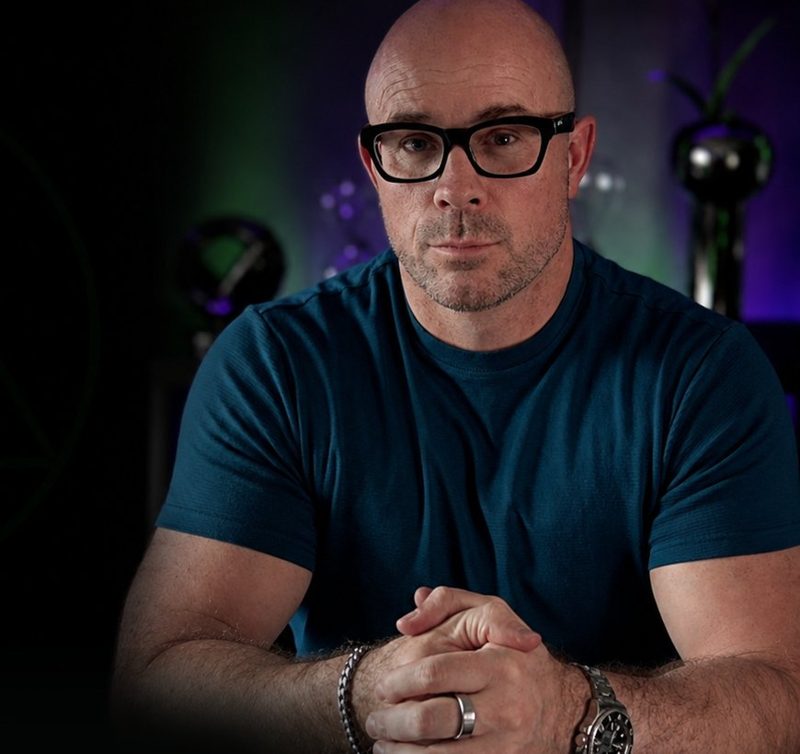
If you’ve tried to talk yourself out of this fear and it hasn’t worked, that isn’t a lack of willpower. A phobia is an alarm your mind learned, and logic alone rarely switches it off.
When a fear is less common, it can be harder to explain, so you may not have told many people about it. I work one to one over Zoom with people whose fears are holding them back, including rarer ones like this, and every plan starts with understanding what your fear is really about.
I’ve spent 17 years in clinical practice and helped more than 1,000 people with phobias. I hold a Postgraduate Certificate and a Postgraduate Diploma in Clinical Hypnotherapy, both with Distinction, and journalists and clients call me the Phobia Guru.
Common questions
Can past experiences at home cause this fear?
They can. If home holds difficult memories, or you were treated badly there, a GP or specialist counsellor can help. For others, the fear is more about change, expectations or losing a new sense of independence.
How can you help?
I use hypnotherapy and NLP to change how your mind responds to the thing you fear, so the old alarm stops going off. Sessions are one to one over Zoom, and you get a recording of the hypnosis to listen to afterwards.
How many sessions will I need?
Many clients notice a real difference after one 90 minute session. If the fear goes back a long way, three sessions gives us room to make the change stick.
Further reading: Medical News Today: Fear of change · Mind: About phobias
Ready to start?
A short call is the simplest next step. We’ll talk about your fear, what you’d like to feel instead, and whether I’m the right person to help.
- Take the free test at the top of this page to see how strong your fear is.
- Book a 30 minute call. Use code PHOBIA at checkout for half price: £24.50 instead of £49 ($29.50 outside the UK).
- Start your sessions over Zoom from wherever you live, or face to face in Hertfordshire.
See all session options and prices